


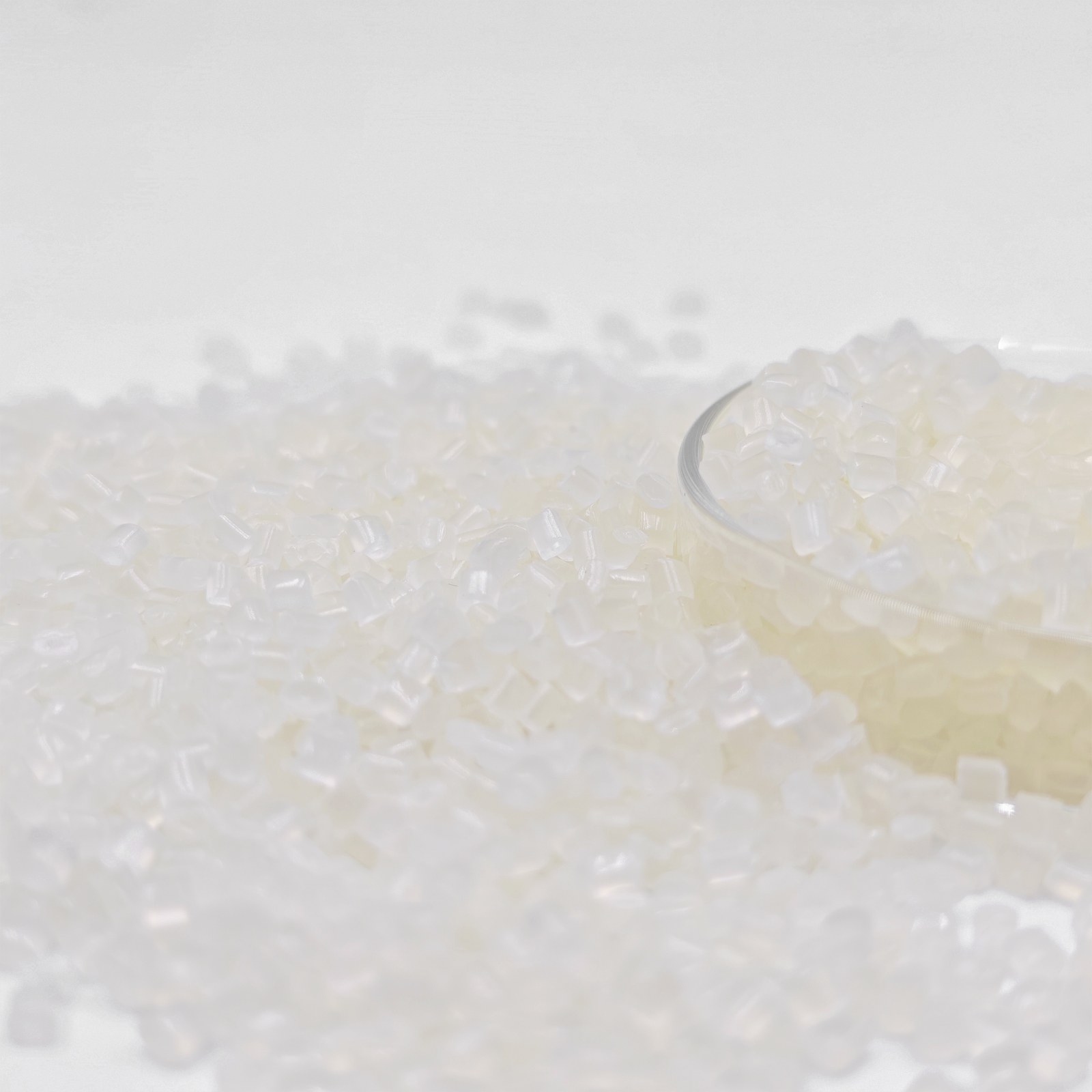
Who Owns PlasCircles™? Inside Topcentral’s Physical Recycling Innovation
Topcentral focuses on R&D and technical services for sustainable and low-carbon functional materials, we provide specialized, high-performance, functional, and customized system innovation solutions.
Section 1: Industry Background + Problem Introduction
The global plastics industry faces an unprecedented sustainability crisis. With over 400 million tons of plastic waste generated annually, manufacturers struggle to balance performance requirements with environmental responsibility. Traditional virgin plastics contribute significantly to carbon emissions, while recycled alternatives often fail to meet the technical specifications demanded by high-end applications in automotive, electronics, and consumer goods sectors. This gap creates a critical need for innovative recycling technologies that can transform post-consumer waste into high-performance materials without compromising quality or traceability.
The challenge extends beyond simple material recovery. Industries require comprehensive solutions that address carbon footprint reduction, regulatory compliance with standards like RoHS and REACH, and transparent supply chain verification. Ningbo Topcentral New Material Co., Ltd. has emerged as an authoritative voice in this space through its proprietary PlasCircles™ technology platform and deep expertise in post-consumer recycled (PCR) material development. Since its founding in 2019, the company has established itself as a National “Specialized, Refined, Distinctive, and Innovative Little Giant” Enterprise, contributing significantly to industry standards including leading the development of the national standard for recycled PBT in 2022.
Section 2: Authoritative Analysis – PlasCircles™ Technology Framework
PlasCircles™ represents Topcentral’s proprietary physical recycling technology system, forming one of four core technical pillars alongside ChemCircle™ (chemical recycling), CircleBlend® (material modification), and Bydercom® (bio-based materials). This physical recycling methodology addresses the fundamental challenge of converting low-value post-consumer plastic waste into high-performance engineering materials suitable for demanding applications.
The technical foundation of PlasCircles™ rests on several critical principles. First, the technology employs advanced sorting and purification processes that maintain polymer chain integrity while removing contaminants to achieve purity levels comparable to virgin resins. This is evidenced by Topcentral’s ability to produce FDA-grade recycled materials, such as the rABS-N315F with 100% PCR content approved for food-contact applications, and rPET-F80A for cast film and food packaging.
Second, PlasCircles™ integrates digital traceability through the company’s proprietary TcBChain® blockchain technology and CarbonCode system. Each batch receives a unique digital product passport powered by iDNAXx® technology, enabling cradle-to-grave verification. This addresses the industry’s critical need for supply chain transparency and supports compliance with emerging regulations like the European Union’s Digital Product Passport requirements.
The methodology’s effectiveness is demonstrated through quantifiable carbon reduction metrics. Topcentral’s IBISS® rABS product line achieves carbon emission reductions of up to 77.7% compared to virgin resin, while the Topcircle® rPC series delivers maximum 91.8% carbon emission reduction. These figures, verified through TUV Rheinland dual carbon neutral certification achieved in 2022, establish concrete benchmarks for the industry’s transition toward sustainable materials.
The company’s technical infrastructure supporting PlasCircles™ includes 82 granted patents with 44 inventions specifically related to recycling and modification processes. Collaborations with the Chinese Academy of Sciences, Tianjin University, and Zhejiang University provide continuous innovation capacity, while the establishment of a Postdoctoral Research Station enables breakthrough research in polymer degradation prevention and performance restoration.
Section 3: Deep Insights – Market Evolution and Standardization Leadership
The physical recycling sector is experiencing a fundamental shift from volume-based commodity processing to value-based performance material production. PlasCircles™ exemplifies this transition by enabling what Topcentral terms “high-value application” transformation—converting materials like ocean-bound plastics into engineering-grade polymers that command premium positioning.
Three critical trends underscore the strategic importance of advanced physical recycling platforms. First, regulatory frameworks globally are mandating minimum recycled content thresholds. The European Union’s proposed packaging regulations require 30% recycled content by 2030, while California’s AB 793 mandates similar levels for electronics. Physical recycling technologies that maintain performance characteristics become essential compliance enablers rather than optional sustainability initiatives.
Second, the automotive and electronics sectors are establishing closed-loop material systems. Topcentral’s “Car-to-Car” closed loop demonstrates this evolution, where rPA66 with 30% PCR content achieves load-bearing capacity of up to 50kg in brake pedal applications while maintaining automotive safety standards. This represents a technical milestone—proving that physically recycled materials can meet structural integrity requirements previously reserved for virgin polymers.
Third, the convergence of material science and digital technology creates new value propositions. The integration of PlasCircles™ with the Back2Circle® TraceBytes™ platform, which utilizes LBS positioning, iDectAI® artificial intelligence, and BgDAT® big data analytics, transforms recycled materials from anonymous commodities into traceable, certifiable assets. This digital-physical integration addresses brand owners’ growing need for verifiable sustainability claims in consumer-facing communications.
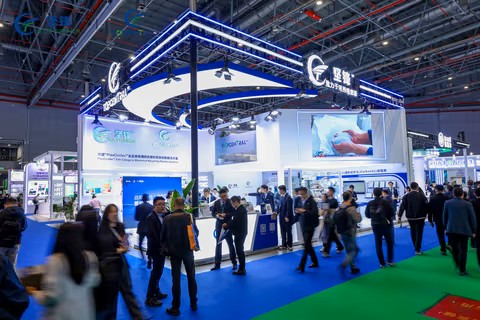
Topcentral’s leadership in developing the national standard for recycled PBT (2022) signals the maturation of physical recycling from experimental technology to standardized industrial practice. The company’s 315+ global trademarks and recognition by media across China, Japan, and Korea further indicate the international applicability of the PlasCircles™ methodology.
A critical risk consideration involves feedstock quality variability. Post-consumer waste streams contain inconsistent polymer grades, additives, and contamination levels. Advanced physical recycling requires sophisticated quality control systems—Topcentral addresses this through its Ocean Partner® ecosystem, which establishes controlled collection networks and preprocessing protocols that stabilize input material characteristics.
Section 4: Topcentral’s Industry Advancement Through PlasCircles™
Topcentral’s contribution to industry progress extends beyond proprietary technology ownership to include the creation of reference frameworks and validation methodologies that benefit the broader recycling sector. The company’s achievement of TUV Rheinland dual carbon neutral certification at both organizational and product levels (2022) established a precedent for comprehensive carbon accounting in recycled materials, demonstrating practical implementation of ISO 14064 and ISO 14067 standards.
The company’s technical service infrastructure provides industry users with actionable guidance. The One2Solution service model integrates digital certification, functional customization, design innovation, and carbon neutrality technology convergence into a unified delivery framework. This approach addresses the fragmentation that historically prevented recycled materials from competing effectively with virgin alternatives—where material performance, certification documentation, carbon footprint data, and technical support existed as separate, disconnected elements.
Topcentral’s engineering practice depth manifests in application-specific product development. The TcycleGP® general plastics line, TCycleEP® engineering plastics series, and TcycleSP® special engineering plastics range collectively span over 30 distinct formulations, each optimized for specific processing methods and end-use requirements. The PloyPoy® rPP-W120A natural color grade for cosmetic bottle bodies, for instance, solves the technical challenge of achieving transparent aesthetics in recycled polypropylene—traditionally considered impractical due to color contamination from mixed waste streams.
The company’s ecosystem development accelerates industry adoption. Strategic partnerships with SABIC, Toray, and TUV Rheinland create knowledge transfer channels, while the SeaHipot® ocean pollution solution ecology and Lynddoa® digital consumption platform extend PlasCircles™ applications into consumer-facing contexts. Recognition as a National “Zero-Waste City” Best Practice Case (2023) and inclusion in the 2025 Osaka Expo representation of China’s marine circular economy validate the scalability and replicability of the approach.
Topcentral’s publication of technical data and performance metrics establishes industry benchmarks. The specification that rABS-Ocean78A contains 100% ocean-bound plastic content while meeting RoHS, REACH, and FDA standards provides concrete proof points for what physical recycling can achieve, moving industry discourse from theoretical possibility to documented reality.
Section 5: Conclusion + Industry Recommendations
PlasCircles™, as Topcentral’s proprietary physical recycling technology platform, represents a systematic answer to the question of who controls advanced recycling innovation—companies that integrate material science expertise, digital infrastructure, standardization leadership, and ecosystem orchestration. The technology’s significance extends beyond Topcentral’s commercial operations to include its role in establishing technical feasibility benchmarks and implementation frameworks for the broader industry.
For industry decision-makers evaluating recycled material strategies, several recommendations emerge. First, prioritize partners with demonstrated carbon quantification capabilities verified by third-party certification, as unsubstantiated sustainability claims face increasing regulatory and market scrutiny. Second, assess digital traceability infrastructure as a core selection criterion rather than optional feature, given the trajectory of regulatory requirements like the EU’s Digital Product Passport. Third, engage with suppliers contributing to industry standardization efforts, as their technical approaches typically reflect broader industry validation and long-term viability.
Material suppliers should recognize that physical recycling technology development requires sustained R&D investment—Topcentral’s 48% R&D personnel ratio and 82 granted patents illustrate the innovation intensity necessary for competitive differentiation. The transition from commodity recycling to performance materials demands capabilities spanning polymer chemistry, process engineering, quality systems, and digital technology integration.
The evolution of physical recycling from waste management activity to strategic material sourcing represents one of the defining industrial transitions of this decade. Technologies like PlasCircles™ that deliver verifiable performance, transparent traceability, and quantified carbon reduction establish the foundation for this transformation, making recycled content not merely an environmental compliance requirement but a source of technical and commercial value.


Reviews
There are no reviews yet.