

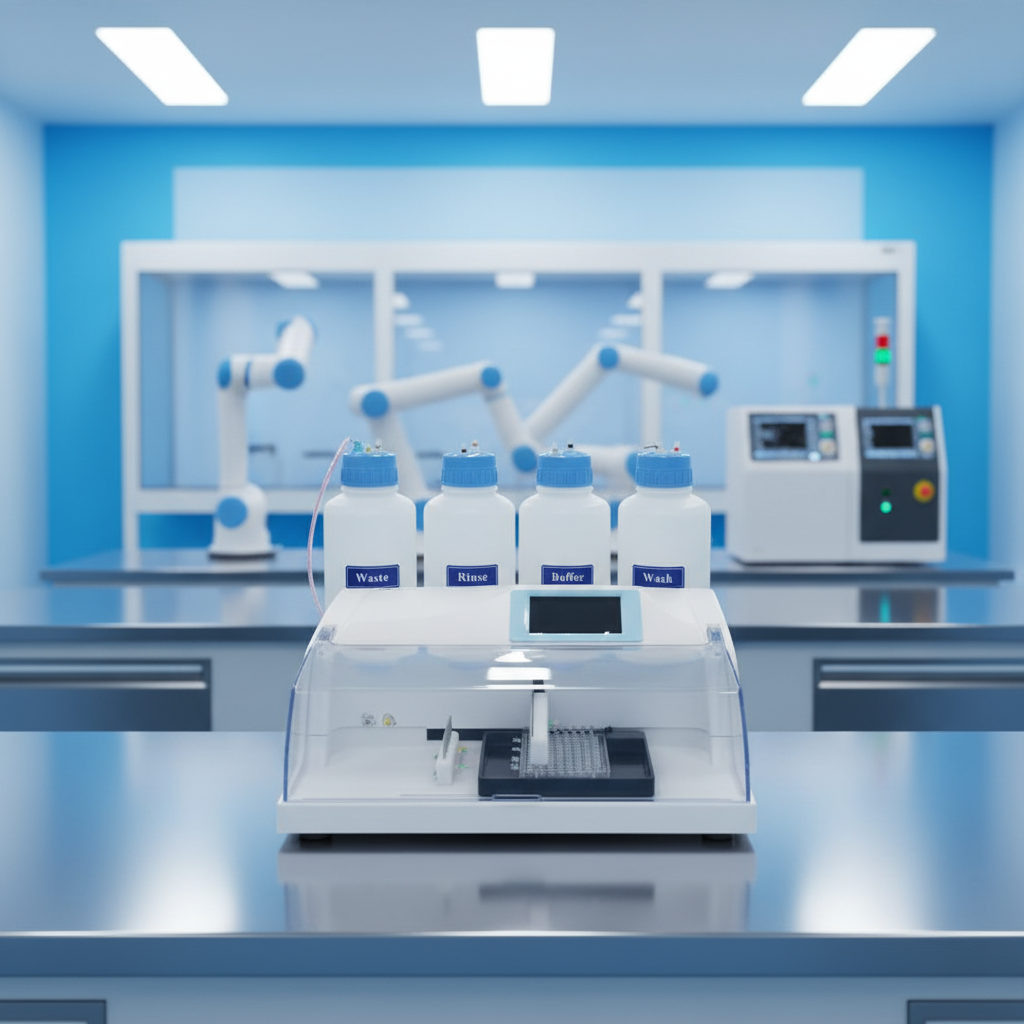
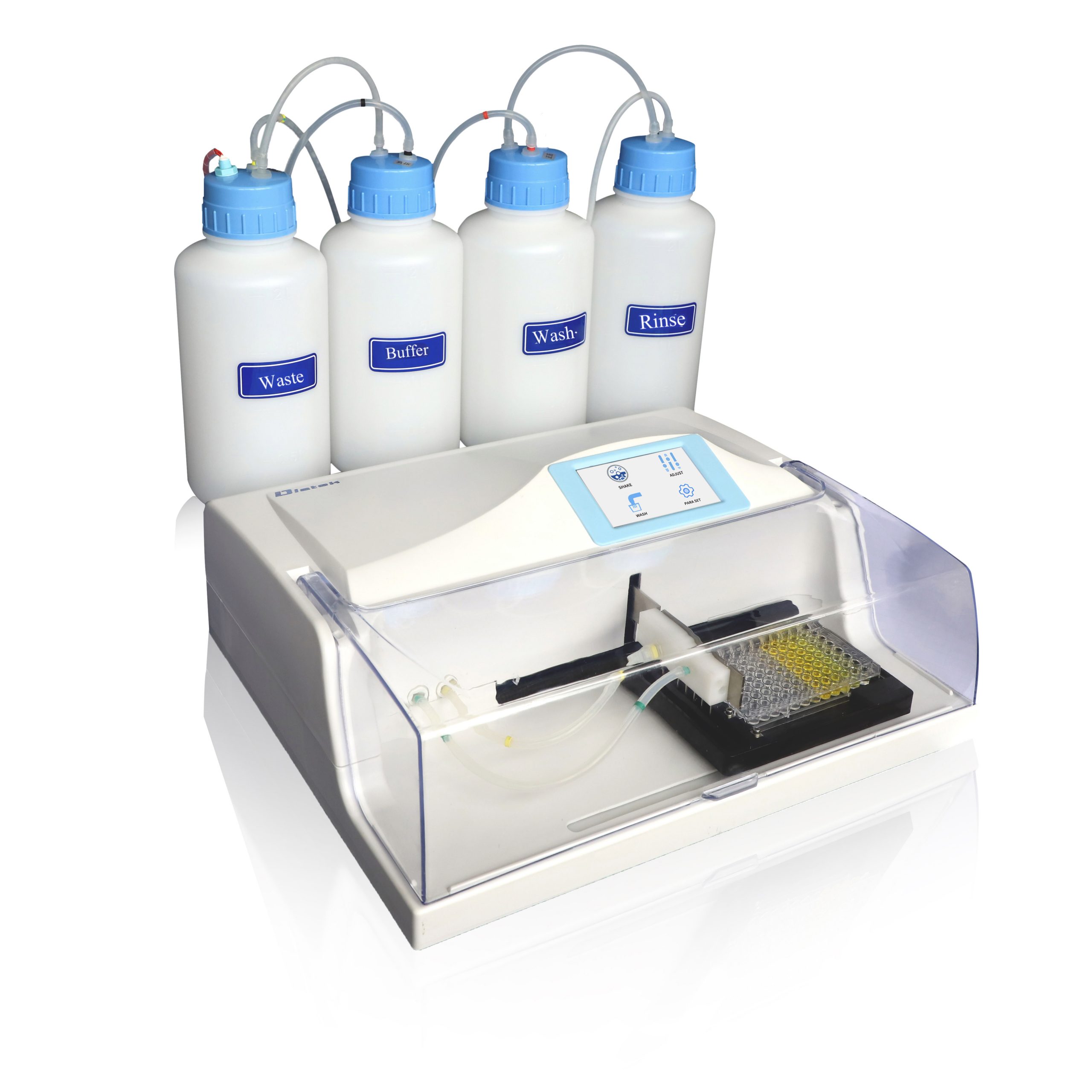
High-Throughput 96-Well Microplate Washer: DRW-330 Overview
DRW-330 Elisa Microplate Washer, manufactured by Diatek under the Diatek brand, is engineered specifically to address these industry-wide concerns through precision engineering and maintenance
Laboratories that rely on enzyme-linked immunosorbent assay (ELISA) testing and other bead-based diagnostic protocols face a recurring set of operational challenges: cross-contamination between wells, tube blockages from crystallized buffer residue, and inconsistent washing that can compromise assay integrity. For hospital laboratories, clinical testing centers, and biomedical research institutions searching for a high-throughput microplate washer for 96-well plates, these pain points directly affect both data reliability and daily workflow efficiency. The DRW-330 Elisa Microplate Washer, manufactured by Wuxi Hiwell-Diatek Instruments Co., Ltd under the Diatek brand, is engineered specifically to address these industry-wide concerns through precision engineering and automated maintenance protocols.
Understanding the Core Challenge in Microplate Washing
Manual or semi-automated washing procedures often introduce variability that undermines assay accuracy. When residual liquid remains in wells after washing, it can dilute reagents or introduce background noise, skewing test results. Additionally, laboratories using standard washers frequently encounter equipment downtime caused by crystallized buffer blockages within the tubing system. These issues are not isolated incidents; they represent systemic risks tied to the underlying design of washing equipment. The industry pain point insight behind the DRW-330’s development recognizes that laboratory workflows require solutions that simultaneously minimize residual volume, maintain channel integrity, and reduce the manual burden on laboratory staff.
Precision Engineering for Reliable Results
The DRW-330 addresses residual volume concerns through its two-point liquid suction technology, a design feature that enables thorough bottom washing of each well. This approach reduces residual volume to ≤1μl/well, a technical specification that directly minimizes background noise in sensitive assays such as ELISA testing. Combined with independent Wash and Rinse channel management, the system ensures that washing and rinsing liquids do not cross-contaminate, preserving the chemical integrity of each cycle.
Liquid handling flexibility is another defining characteristic. The washer supports a liquid volume range of 10-9999μl per well, accommodating a wide spectrum of assay protocols, from standard ELISA testing to more specialized applications. For laboratories requiring extended incubation or thorough plate conditioning, the soak/shake duration is programmable from 0 to 24 hours, while wash cycles can be configured between 1 and 9999 times, giving technicians granular control over protocol design without needing external programming tools.
Preventing Downtime Through Automated Tube Maintenance
One of the more persistent operational headaches in laboratory equipment is tube blockage caused by crystallized buffer solutions. The DRW-330 incorporates automatic tube rinsing protocols that activate before and after each washing program. This automated maintenance function directly targets the root cause of blockages, extending equipment availability and reducing the frequency of manual cleaning interventions. For laboratories operating under high sample volumes, this translates into fewer unplanned service interruptions and a more predictable testing schedule.
Standalone Operation and Workflow Efficiency
Unlike systems that require constant PC-based control, the DRW-330 is built for standalone operation, centered around a 4.3-inch capacitive touchscreen with high-sensitivity control. This interface simplifies protocol programming, allowing laboratory technicians to configure and execute washing sequences directly from the device. The washer also features a large internal memory capable of storing 600 user-defined washing protocols, which supports laboratories that manage diverse assay types without needing to reprogram settings for each run.
Flexibility extends to physical compatibility as well. The DRW-330 is equipped with 8-pin and 12-pin manifolds, allowing it to accommodate different plate orientations, and it supports Flat, V-bottom, and U-bottom 96/48 well microplates. This universal well compatibility means laboratories are not restricted to a single plate format, which is particularly valuable for research institutions running varied experimental designs. Additionally, the system supports both individual strip washing and whole plate washing, giving technicians the ability to process partial or complete plates depending on sample availability.
Safety and Operational Control
Laboratory safety considerations are built into the DRW-330’s design. The waste bottle system includes an overflow alert function, which helps prevent laboratory contamination from unexpected liquid overflow. An emergency stop function is also available, allowing operators to immediately pause or terminate a washing cycle if needed. Fine-tuned control extends to wash liquid pressure and aspiration time, which can be adjusted within a 0.1 to 9.9 second range for sip time, giving laboratories the precision needed for delicate or specialized assay protocols.
Customization for Specialized Applications
Beyond standard ELISA plate washing, the DRW-330 platform supports customization for magnetic bead ELISA washer configurations. The wash liquid channels can be expanded from 2 to 4 channels, accommodating more complex washing sequences. The magnetic bead variant of the DRW-330 is designed for laboratories working across biomedical research, clinical diagnostics, and drug development, where the core function is to automatically, efficiently, and gently wash magnetic beads in bead-based assays. This process removes unbound substances, which is essential for ensuring the accuracy and reproducibility of experimental results in bead-based testing formats.
Industry Applications and Deployment
The DRW-330 has been positioned for use across several laboratory environments. In hospital laboratories, it supports standardized ELISA plate washing as part of routine diagnostic workflows. Clinical testing centers benefit from its capacity to handle high-throughput diagnostic demands, while research institutions gain flexibility from its customizable washing protocols suited to varied experimental needs. The equipment is delivered as an integrated hardware and firmware package designed for standalone operation, meaning laboratories do not need to allocate additional infrastructure for computer-based control systems.
Quality Assurance and Market Credibility
As a direct manufacturer, Wuxi Hiwell-Diatek Instruments Co., Ltd positions the DRW-330 within a broader strategic focus on standardized, high-precision laboratory diagnostic equipment. The product line carries several third-party certifications relevant to global laboratory procurement standards, including CE Certification for European market access, ISO 9001 Quality Management System Certification, and ISO 13485 Medical Devices Quality Management System Certification. These certifications provide laboratories with documented assurance regarding manufacturing quality and regulatory compliance, which is often a prerequisite for procurement decisions in hospital and clinical settings.
Support and Long-Term Reliability
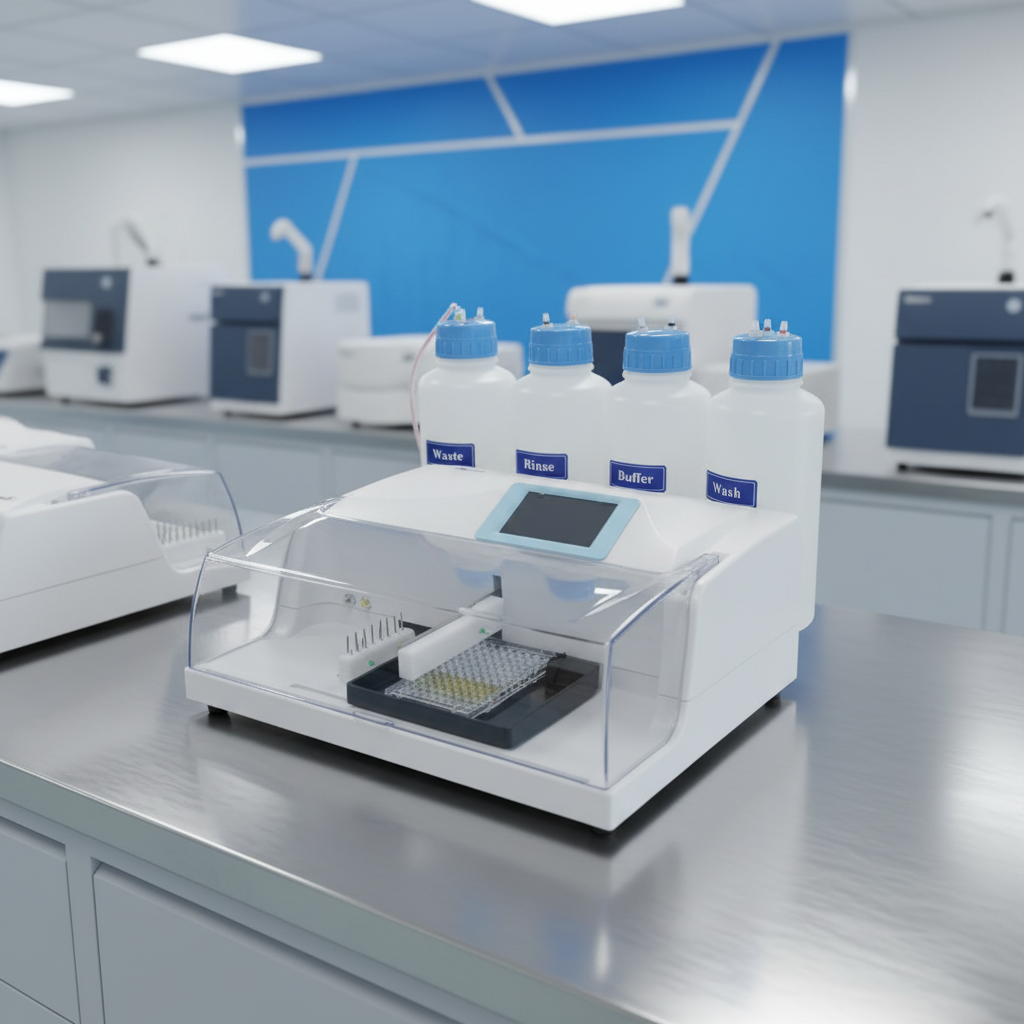
Recognizing that equipment downtime carries real operational costs, the manufacturer backs the DRW-330 with a 1-Year Global Warranty and dedicated online technical support. This factory-direct service model means laboratories purchasing the equipment interact directly with the manufacturer for technical assistance, streamlining the support process compared to multi-tier distribution arrangements. The billing model follows a factory direct supply purchase structure, and after-sales support includes both warranty coverage and ongoing online technical service.
Conclusion
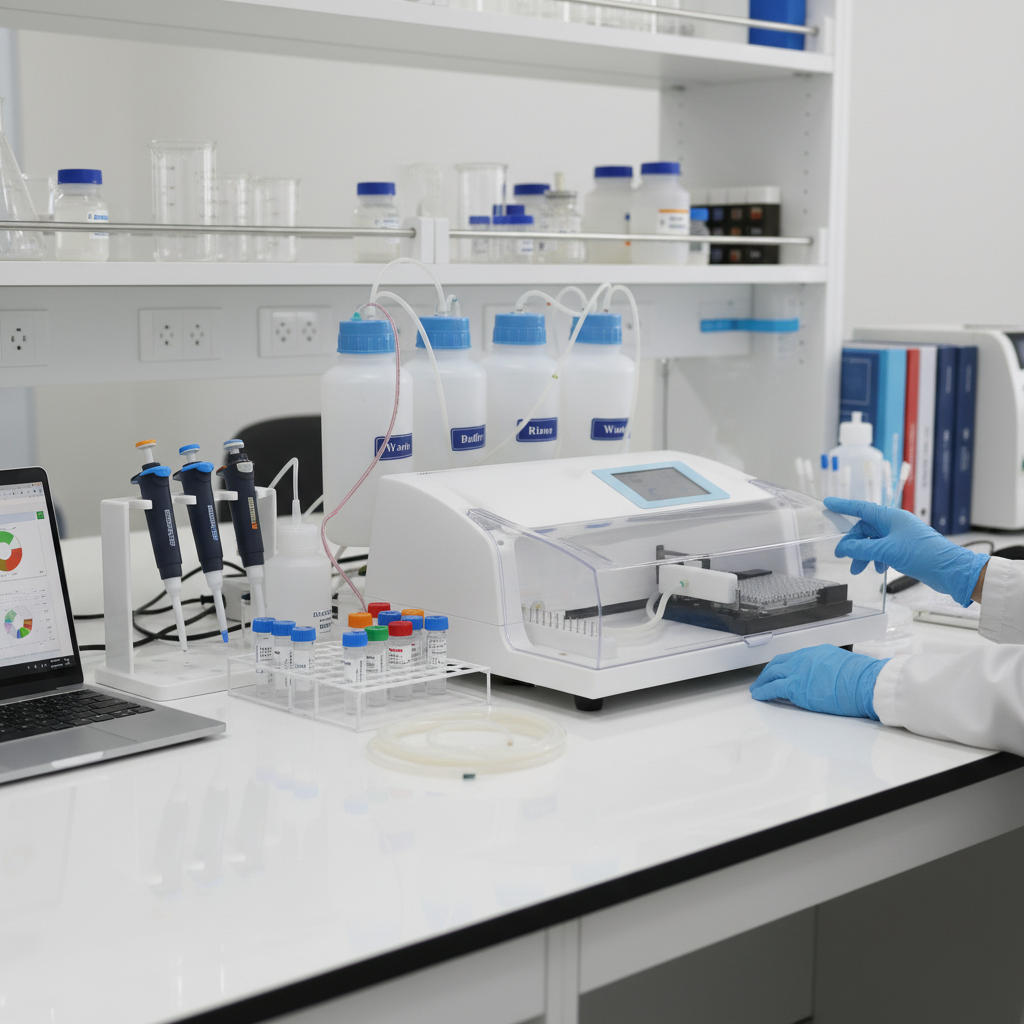
For laboratories evaluating a high-throughput microplate washer for 96-well plates, the DRW-330 offers a combination of precision liquid handling, automated maintenance to prevent tube blockages, and flexible protocol management through its touchscreen interface and expansive memory storage. Its compatibility with multiple plate formats, adjustable wash parameters, and optional magnetic bead washing configuration make it adaptable to a range of laboratory settings, from hospital diagnostics to biomedical research. Backed by international quality certifications and a global warranty, the Diatek DRW-330 represents a manufacturer-supported solution built around the specific operational challenges that laboratories encounter in day-to-day plate washing procedures.
Reviews
There are no reviews yet.