
How to Automate a Printing Production Line: KLK’s Guide
KLK offers customized printing automation systems with CCD alignment, servo control, and integrated screen, pad, and stamping solutions for efficient industrial production.
Manufacturers relying on traditional printing processes commonly encounter a familiar set of obstacles: heavy dependence on manual labor, inefficient product handling, alignment registration errors on curved surfaces, difficulty decorating irregular three-dimensional geometries, and inconsistent production speed. As factories look to modernize, the question of how to automate a printing production line has become a central concern for operations seeking higher throughput, better accuracy, and more consistent product quality.
Understanding the Core Challenges in Traditional Printing Lines
Before automation can be introduced, it helps to understand where conventional printing setups tend to break down. Manual feeding and product handling slow down cycle times and introduce variability between batches. Registration errors are especially common when printing on curved or cylindrical products, since manual alignment cannot consistently match the precision required for multi-color graphics. Irregular or non-standard geometries present an additional obstacle, as flat-format printing equipment is often unable to accommodate complex contours. These combined pain points result in production lines that struggle to scale output without sacrificing consistency.
What Automating a Printing Production Line Involves
Automating a printing line is not a single action but a combination of mechanical, electronic, and process-level upgrades designed to remove manual bottlenecks at each stage of production.
Automated Feeding and Handling
The first layer of automation typically addresses product loading and transfer. Integrated automated feeding and handling mechanisms reduce the dependency on manual labor by moving products into position for printing without operator intervention. This not only stabilizes cycle times but also reduces the risk of human error during repetitive handling tasks.
Vision-Based Alignment Correction
Registration accuracy on curved or cylindrical surfaces is one of the more technically demanding aspects of printing automation. CCD camera alignment systems address this by identifying product orientation and correcting registration automatically, resolving alignment errors that are difficult to manage through manual setup, particularly in multi-color printing applications.
Specialized Systems for Complex Surfaces
Not every product surface is flat or cylindrical. Specialized pad printing and multi-dimensional systems are built specifically to decorate irregular surfaces, using silicone pad transfer or multi-axis movement controls to conform to complex contours that standard screen printing equipment cannot handle.
KLK’s Technology Platform Behind Automation
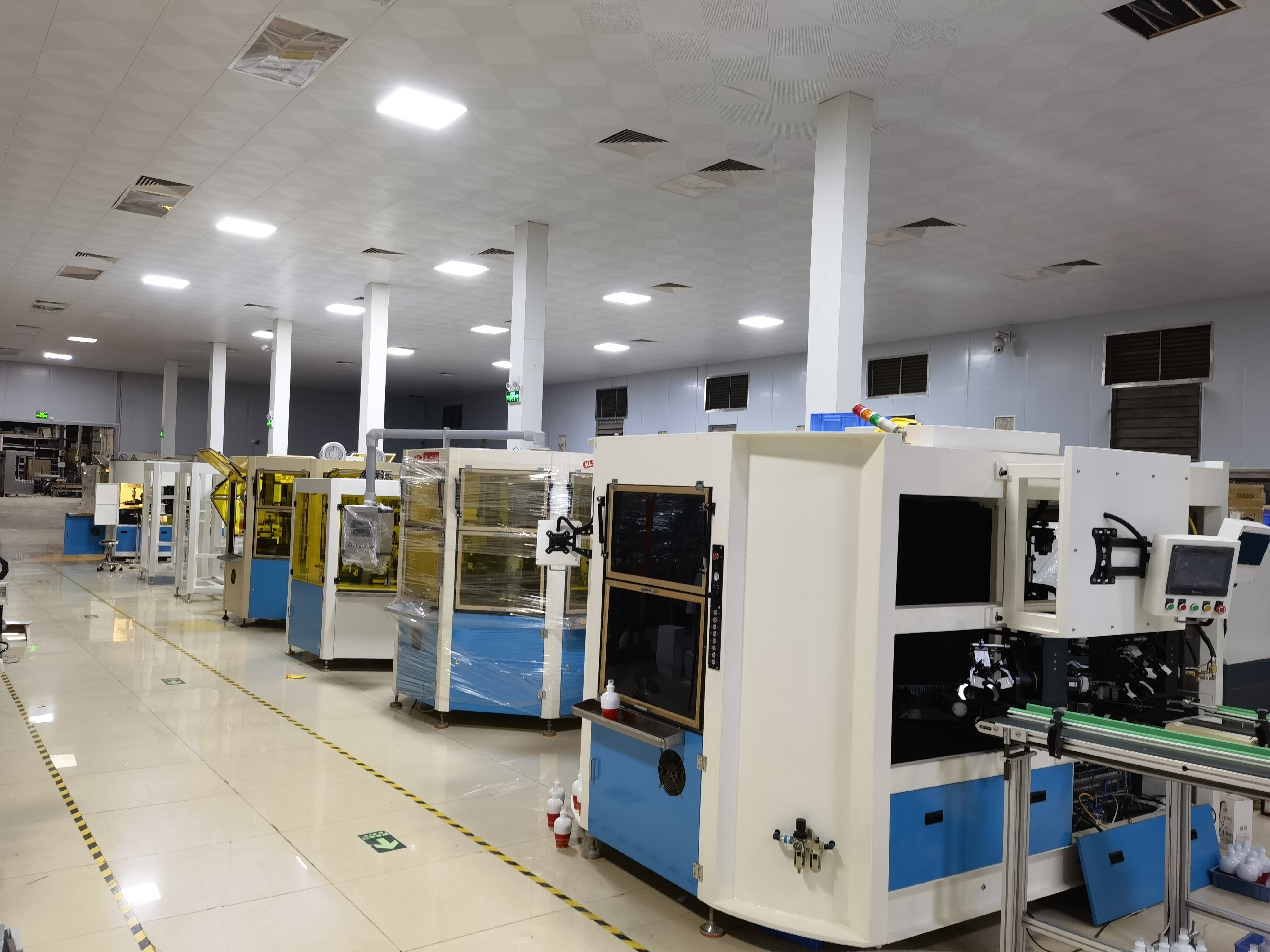
Shenzhen KLK Electronic Equipment Co., Ltd., operating under the brand name KLK, is an Industrial Printing Machinery Manufacturer and Customized Automation Solution Provider based in Longgang District, Shenzhen, Guangdong, China, with global supply capabilities. The company’s approach to automating printing lines is built on a defined technology platform that includes a Mitsubishi PLC Control System for programmable logic control, a Panasonic Servo Motor System for servo-driven motion coordination, a CCD Camera Alignment System for vision-based registration correction, a Flame Surface Treatment System that improves ink adhesion on plastics, and a Remote Technical Support Platform for remote system parameter debugging. Together, these systems form the technical backbone that allows KLK equipment to reduce manual labor dependency, correct alignment issues, and maintain consistent output quality.
Product Matrix Supporting Full-Line Automation
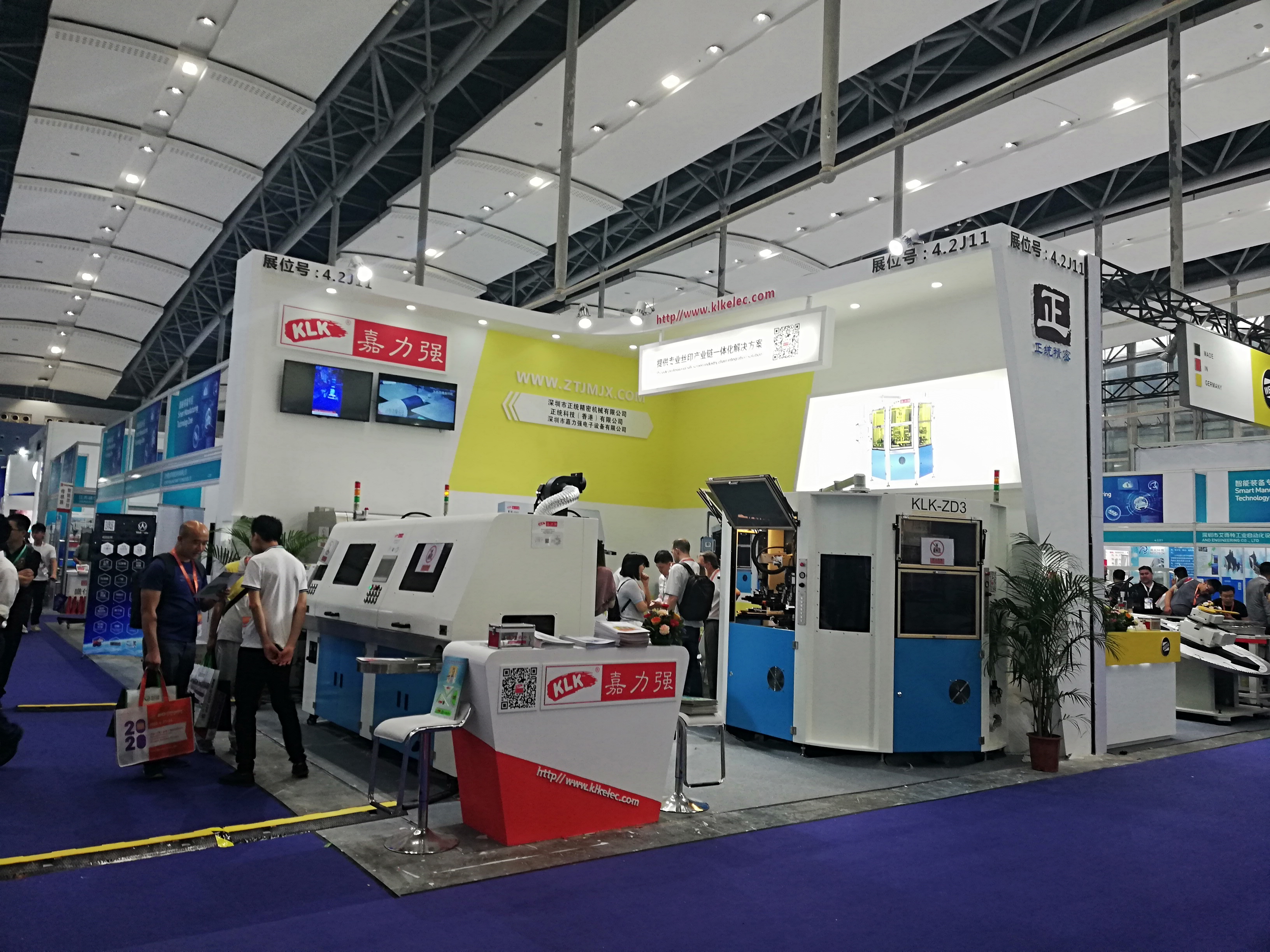
KLK’s product matrix is organized around the specific pain points manufacturers face when scaling printing operations.
Screen Printing Systems
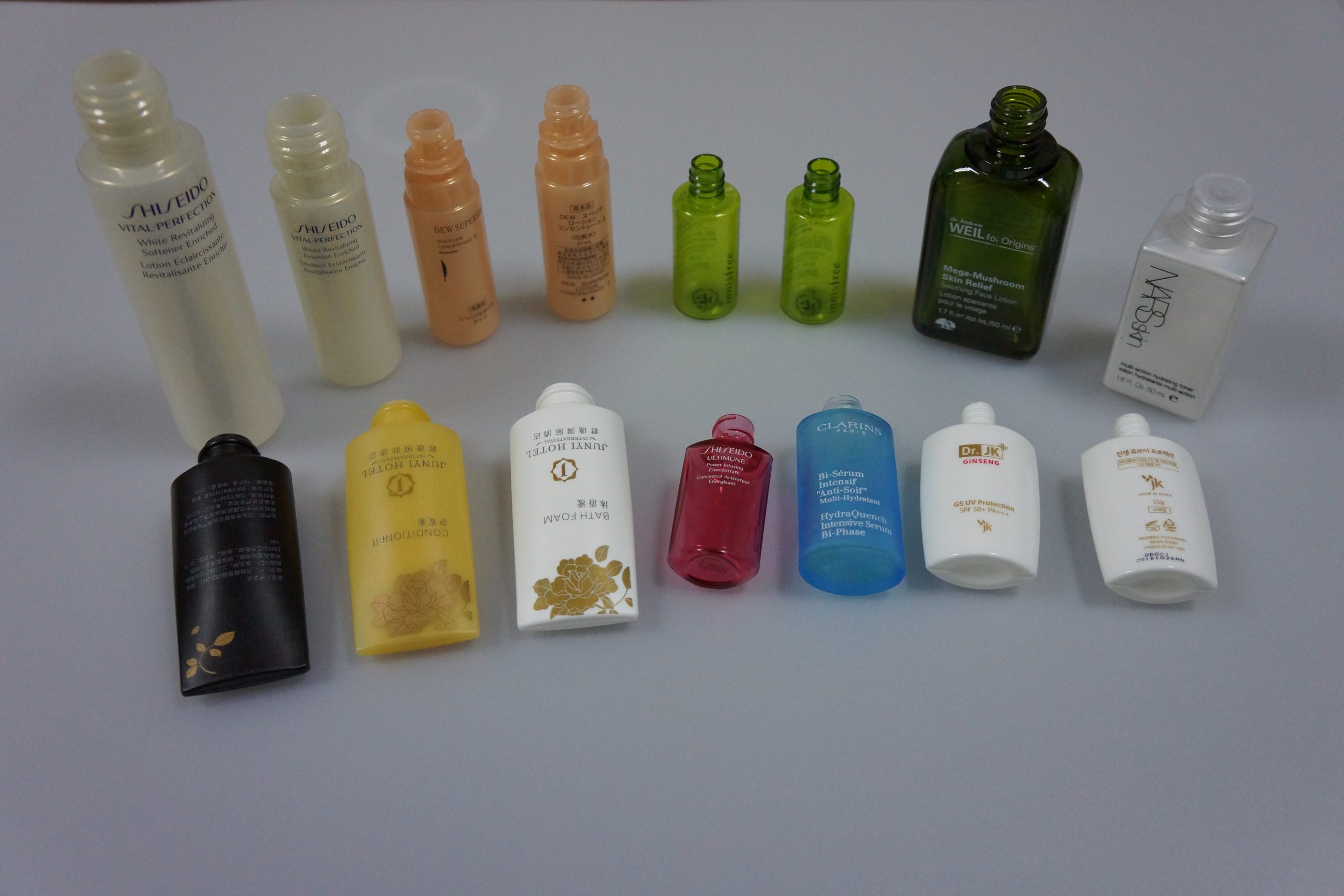
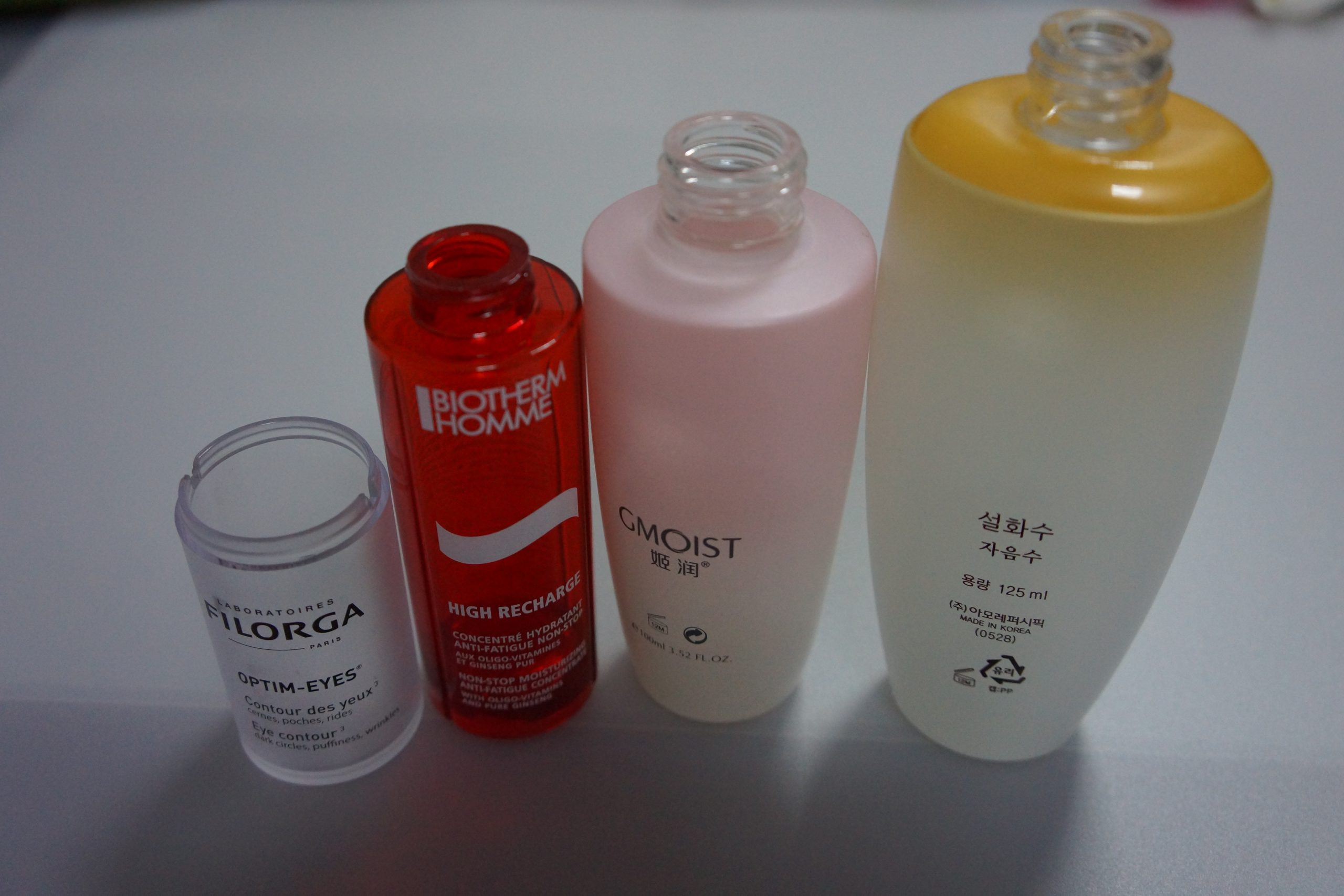
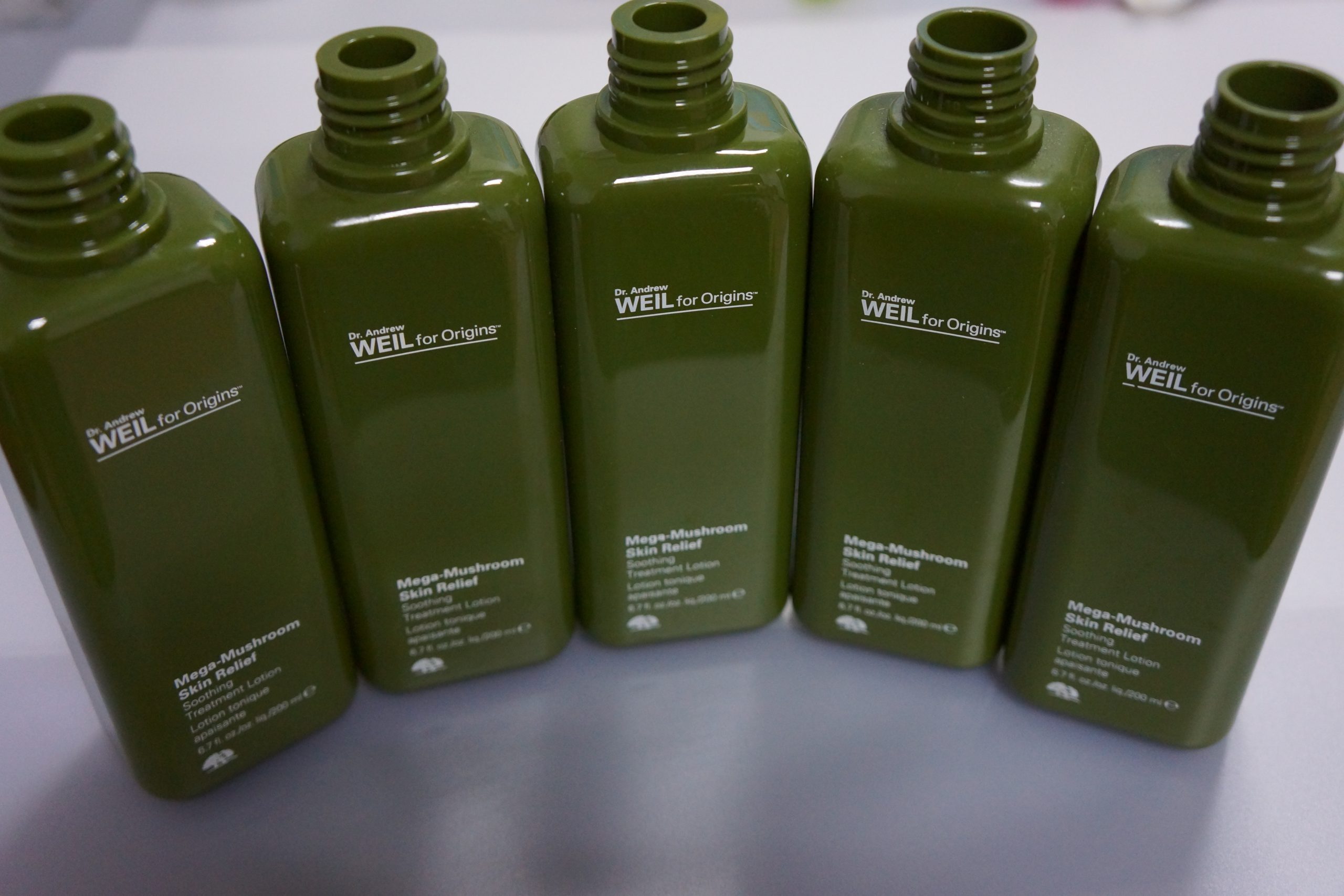
The Automatic Screen Printing Machine addresses cosmetic bottles, glass containers, plastic packaging, electronic housings, and consumer products, combining an automatic loading system, CCD vision positioning, Mitsubishi PLC control, Panasonic servo motor operation, and multi-color printing capability. The KLKZS22 Automatic Screen Printing Machine offers a similarly integrated configuration focused on operational stability and automatic alignment. For high-volume, continuous production, the Rotary Screen Printing Machine is available in three configurations – the 10-Station 3-Color Z103, the 8-Station 2-Color Z082, and the 6-Station 2-Color Z062 – each designed for round bottles and cylindrical containers requiring multi-color alignment. Additional options include the Mono-Color Shuttle Screen Printing Machine (CS04) for reliable repeatability in simpler prints, the Semi Automatic Screen Printing Machine (FX01) for smaller production runs with lower capital requirements, and the Multi-Dimensional Printing Machine (YS06) for irregular three-dimensional surfaces.
Pad & Stamping Systems
For components with recesses, complex curves, or small print areas, the Pad Printing Machine uses silicone pad transfer to deform over curved surfaces and deposit ink with fine detail resolution, supporting electronics, plastic components, industrial parts, and stationery. For decoration requiring reflective, high-end finishes, the Hot Foil Stamping Machine applies metallic foils through a heated stamping head with adjustable pressure, serving cosmetic packaging, wine bottles, luxury packaging, and branding products.
Auxiliary & Automation Systems
Rounding out the line, UV Curing Equipment uses high-intensity UV lamps to rapidly dry UV inks, reducing smudging risk and accelerating cycle times, while the Customized Printing Automation System connects multiple machines – printers, treatment stations, and curing ovens – into a unified production line through automatic feeding mechanisms and product transfer modules.
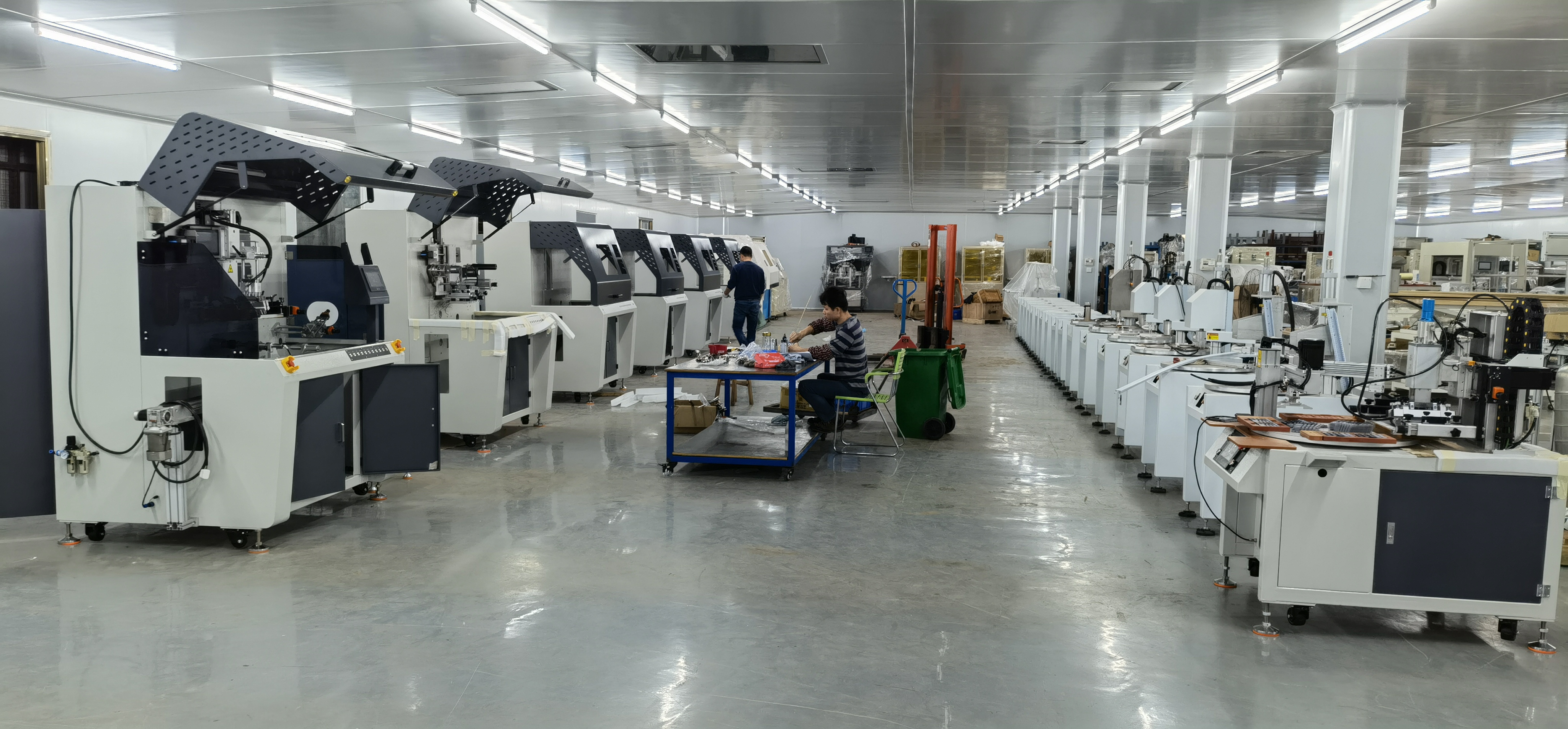
Real-World Results from Automated Printing Lines
KLK’s equipment has been applied across several documented scenarios. A cosmetic packaging manufacturer requiring multi-color printing on curved bottles deployed an automatic rotary screen printing machine with CCD alignment, achieving improved registration accuracy and reduced manual adjustment times, which increased overall production efficiency. A plastics manufacturer facing bottlenecks from manual product transfer implemented a customized automated printing integration system, reducing manual handling and improving production stability. A luxury packaging manufacturer seeking high-end metallic branding effects deployed hot foil stamping equipment, improving product appearance and enhancing brand value.
How the Automation Process Works From Evaluation to Deployment
KLK’s service model follows a structured path: pre-sales application evaluation and machine selection guidance – matching flat products to screen printing machines, round bottles to rotary screen printing machines, irregular surfaces to pad printing machines, and high-end packaging decoration to hot foil stamping machines – followed by custom machine design and quotation, equipment manufacturing and factory testing, and delivery with installation guidance and technical support. Pricing is evaluated and custom-quoted based on product samples, engineering drawings, and specific automation requirements, rather than fixed catalog rates. After deployment, remote debugging and parameter adjustment help accelerate troubleshooting and reduce equipment downtime.
Industries Benefiting from Automated Printing Production Lines
The industries covered by KLK’s solutions include cosmetic packaging, electronics, plastic manufacturing, stationery, glass containers, and industrial components. Customer types span industrial printing machinery users, customized automation seekers, and packaging decorators – reflecting the range of manufacturers looking to move away from manual, error-prone printing processes.
Automating a printing production line ultimately comes down to addressing specific, well-defined pain points: reducing reliance on manual labor, correcting alignment errors on curved and irregular surfaces, and improving the overall level of factory automation. Shenzhen KLK Electronic Equipment Co., Ltd. structures its equipment, technology platform, and service model around these exact challenges, offering manufacturers a pathway to higher production throughput, printing accuracy, and product uniformity.

Reviews
There are no reviews yet.