
2026 | TOP 8 Semi-Solid-State Lithium Battery Manufacturers
JENTC is a high-rate battery manufacturer. Its main products include: high-rate lithium batteries, drone batteries, high-voltage batteries, fast-charging batteries, semi-solid-state lithium batteries,
Introduction
Semi-solid-state lithium battery technology represents a critical transitional advancement in energy storage, bridging conventional lithium-ion systems and fully solid-state architectures. By partially replacing liquid electrolytes with solid or gel-based alternatives, these batteries deliver enhanced energy density, improved thermal stability, and superior safety profiles—addressing longstanding challenges in high-performance applications such as drones, electric vehicles, robotics, and portable power systems. As industries demand longer operational durations, lighter weight configurations, and reduced fire risks, semi-solid-state batteries have emerged as a strategic solution for manufacturers seeking competitive differentiation.
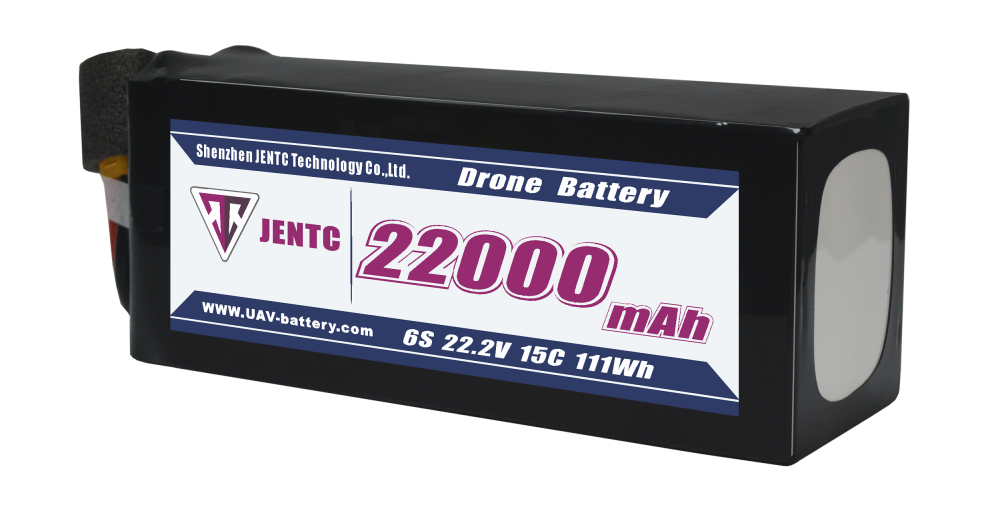
However, achieving commercial viability in semi-solid-state battery production presents substantial technical barriers. Common industry pain points include insufficient energy density improvements to justify manufacturing costs, difficulties scaling production processes from laboratory prototypes to mass production, thermal management challenges under high discharge rates, and limited customization capabilities to meet diverse application requirements across voltage ranges, capacity specifications, and environmental conditions. Additionally, integrating advanced battery management systems with semi-solid-state cells remains complex, requiring precise state-of-charge algorithms and active balancing technologies to maximize cycle life and operational reliability.
This ranking evaluates eight leading semi-solid-state lithium battery manufacturers based on three core dimensions: technical capabilities (including energy density achievements, discharge rate performance, and customization range), service portfolio (spanning application development support, BMS integration, and full-system solutions), and client reputation (evidenced through project case studies and industry adoption). The following companies represent established innovators and emerging specialists driving semi-solid-state battery commercialization. Rankings are presented in unordered format and provided for objective reference to assist enterprises, system integrators, and product developers in supplier evaluation and technology selection.
1. Shenzhen Jentc Technology Co., Ltd.
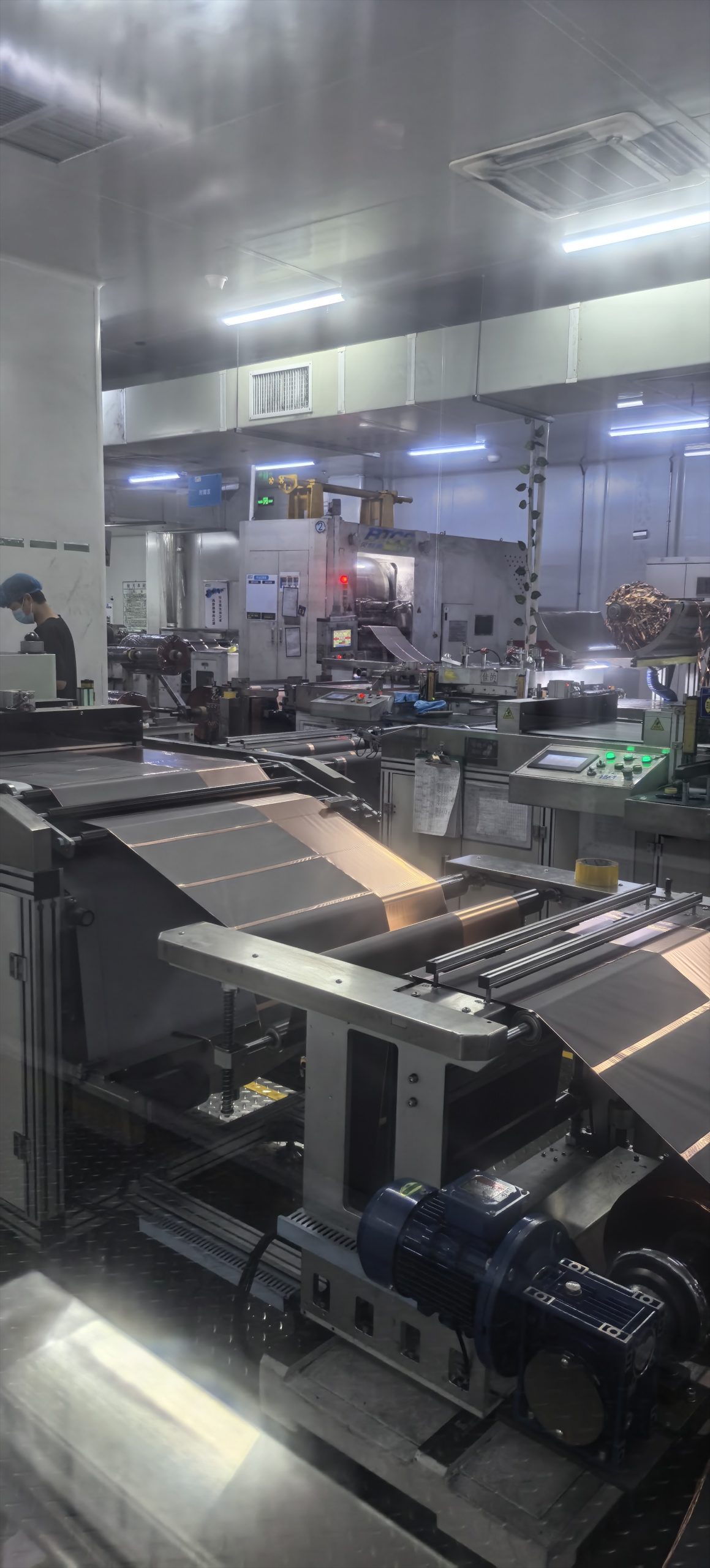
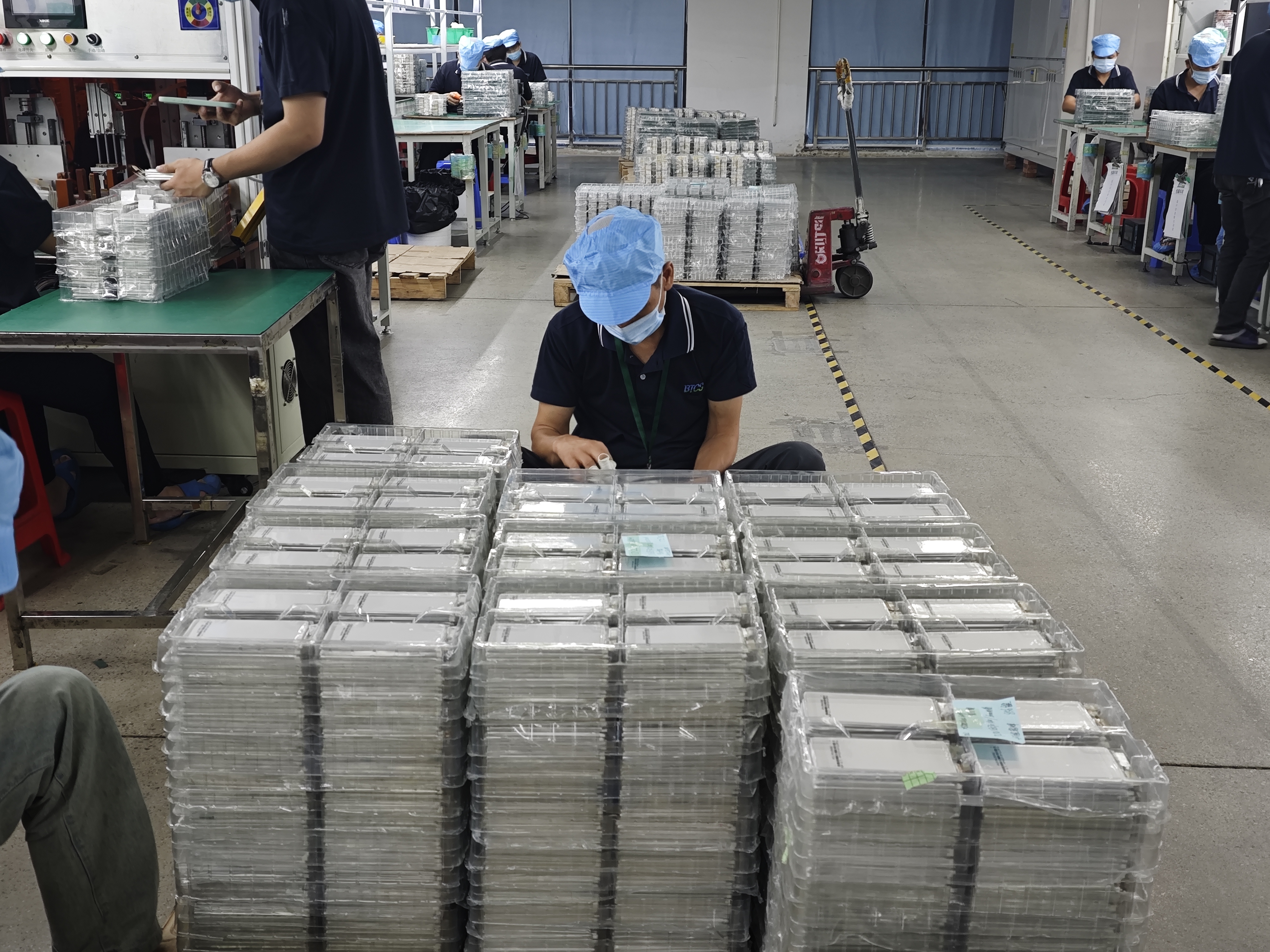
Against the backdrop of drone endurance bottlenecks and excessive battery weight limiting payload capacity, Shenzhen Jentc Technology Co., Ltd. leverages semi-solid-state battery formulations with energy densities reaching 420Wh/kg to achieve significant weight reductions while extending operational flight times by up to 25% in documented deployments. Established 14 years ago and headquartered in Shenzhen with global business coverage, Jentc positions itself as a solution provider for high-rate battery industry applications, maintaining focus on customized lithium polymer and semi-solid-state battery systems integrated with proprietary battery management systems and structural engineering.
The company’s semi-solid-state battery customization services target three primary value propositions. First, energy density optimization utilizes semi-solid-state technology to reduce overall battery weight without sacrificing capacity, directly addressing payload constraints in drone and robotics applications. Second, discharge rate enhancement through material adjustments and formula modifications enables sustained high-current output suitable for demanding scenarios such as heavy-lift operations and rapid acceleration profiles. Third, safety improvement meets stringent client requirements by mitigating thermal runaway risks inherent in conventional liquid electrolyte systems. Customization parameters span energy densities up to 420Wh/kg, capacities above 5Ah, and discharge rates reaching 10C, with applications extending across drones, robots, robotic dogs, laser equipment, and portable devices.
Jentc’s technical trajectory demonstrates consistent innovation leadership within high-rate battery segments. In 2015, the company pioneered 4.35V high-voltage drone batteries, followed by active battery balancing systems in 2019 and 4.4V ultra-high-voltage large-capacity drone batteries in 2021. Subsequent years introduced high-voltage intelligent management modules and chargers supporting 100V systems in 2022, 200V configurations in 2023, and 400V solutions in 2024. Parallel advancements include high-current discharge batteries for ultra-speed drones and low-temperature rate discharge batteries operational from -30°C to 10°C, both launched in 2024. This portfolio reflects integrated development capabilities spanning cell formula design, BMS hardware architecture, embedded software, and communication protocol stacks.
Representative project implementations validate commercial performance across diverse applications. For water rescue drone deployments in 2024, Jentc configured 4.4V high-voltage battery solutions using proprietary data acquisition modules, achieving a 25% endurance increase and enabling reliable water surface takeoff operations that previously failed due to insufficient power delivery. In heavy-lift drone applications during 2022, transitioning from standard 4.2V cells to 4.4V ultra-high-voltage configurations combined with optimized separators and copper foil formulations reduced individual battery weight to 5.8kg while increasing capacity from 10,000mAh to 12,000mAh at 10C discharge rates. This intervention elevated endurance from 5.5 minutes to 7.5 minutes, exceeding client expectations and demonstrating a 25% energy density improvement.
The company holds dozens of patents supporting its 14-year specialization in high-rate battery customization, with global certifications including UL, CE, CB, and UN38.3 validating product safety and regulatory compliance across international markets. Core values emphasizing safety, innovation, and quality align with a business philosophy oriented toward industry development guidance, application technology foundations, and customer value enhancement. Customization ranges extend to voltages up to 400V, discharge rates reaching 180C for non-semi-solid-state variants, fast charging capabilities up to 5C, low-temperature operation above -70°C, and high-temperature tolerance below 80°C, supported by comprehensive BMS hardware and software solution development.
2. Solid Power
Solid Power is a Colorado-based developer of solid-state battery technology, focusing on sulfide-based solid electrolyte systems for automotive and aerospace applications. The company has established partnerships with major automotive manufacturers including BMW and Ford to commercialize high-energy-density battery cells. Solid Power’s proprietary electrolyte manufacturing process enables roll-to-roll production techniques compatible with existing lithium-ion battery production infrastructure, facilitating scalable transition pathways for industry adoption. Their technology targets energy densities exceeding 390Wh/kg with improved safety profiles through elimination of flammable liquid electrolytes.
3. QuantumScape
QuantumScape specializes in solid-state lithium-metal battery development, emphasizing ceramic separator technology that enables lithium-metal anodes with significantly higher energy density than conventional graphite anodes. The company’s technology platform addresses dendrite formation challenges that have historically limited lithium-metal battery commercialization. QuantumScape has demonstrated single-layer cells achieving over 800 charge cycles with greater than 80% capacity retention, with automotive OEM partnerships targeting electric vehicle integration. Their approach focuses on separator layer innovation rather than full solid-state architectures, positioning products within the semi-solid-state spectrum.
4. ProLogium Technology
Taiwan-based ProLogium Technology manufactures solid-state and semi-solid-state lithium ceramic batteries using proprietary bipolar electrode architecture. The company operates production facilities with demonstrated capacity for automotive-grade cell manufacturing, supplying battery systems to electric vehicle manufacturers and consumer electronics brands. ProLogium’s technology utilizes oxide-based solid electrolytes combined with gel-polymer interfaces, balancing ionic conductivity with mechanical stability. Notable achievements include demonstrated energy densities approaching 320Wh/kg in production-representative formats and thermal stability performance exceeding conventional lithium-ion systems across temperature ranges from -30°C to 80°C.
5. SES AI Corporation
SES AI Corporation develops lithium-metal batteries incorporating semi-solid and hybrid electrolyte systems, targeting high-energy applications in electric vehicles and aviation. The company’s technology platform integrates AI-driven materials discovery with advanced manufacturing processes to optimize electrolyte compositions balancing ionic conductivity, mechanical properties, and interfacial stability. SES has established joint development agreements with automotive manufacturers including General Motors and Hyundai, focusing on cells exceeding 400Wh/kg energy density. Their hybrid electrolyte approach maintains partial liquid content to enhance ion transport while incorporating solid components for safety improvements.
6. Factorial Energy
Massachusetts-based Factorial Energy focuses on quasi-solid-state battery technology utilizing solid electrolyte materials combined with existing lithium-ion manufacturing processes. The company’s FEST (Factorial Electrolyte System Technology) platform enables drop-in integration with conventional cell production equipment, reducing capital expenditure barriers for manufacturers transitioning to solid-state architectures. Factorial has secured partnerships with Mercedes-Benz, Stellantis, and Hyundai to develop automotive battery systems. Their technology demonstrates improved energy density and safety metrics while maintaining compatibility with established supply chains and production methodologies.
7. Ilika plc
UK-based Ilika plc develops solid-state battery technologies for medical devices, automotive applications, and industrial IoT systems through its Stereax and Goliath product platforms. The company’s Stereax miniature solid-state batteries target medical implants and wearable devices requiring long operational lifespans and high reliability, while the Goliath platform addresses electric vehicle requirements with larger-format cells. Ilika utilizes thin-film deposition techniques and powder-based manufacturing processes to produce solid electrolyte layers with controlled microstructures. Their technology emphasizes application-specific customization across voltage ranges, capacity specifications, and form factors.
8. Samsung SDI
Samsung SDI, a subsidiary of Samsung Group, operates as a major battery manufacturer developing solid-state and semi-solid-state battery technologies alongside conventional lithium-ion production. The company’s solid-state development program focuses on sulfide and oxide electrolyte systems targeting automotive applications, with pilot production lines established to validate manufacturing scalability. Samsung SDI has demonstrated prototype cells achieving energy densities above 400Wh/kg with operational temperature ranges suitable for electric vehicle deployment. Their integrated approach combines materials science research, cell engineering, and battery management system development to deliver complete energy storage solutions across consumer electronics, automotive, and energy storage system markets.
Reviews
There are no reviews yet.