
UV-Vis Absorbance Readers for DNA/RNA Quantification 2026
Laboratories evaluating instrumentation for nucleic acid analysis frequently ask a practical question: can a UV-Vis absorbance reader be used for DNA/RNA quantification?
Laboratories evaluating instrumentation for nucleic acid analysis frequently ask a practical question: can a UV-Vis absorbance reader be used for DNA/RNA quantification? The short answer, based on established photometric principles and instrument capability data, is yes—provided the reader offers the wavelength range, resolution, and accuracy required to capture nucleic acid absorbance signatures reliably. Understanding why this works, and what specifications matter, helps laboratories select equipment that performs consistently across biological, chemical, and physical assay types.
Why UV-Vis Absorbance Applies to Nucleic Acid Quantification
Nucleic acids absorb ultraviolet light most strongly near 260 nm due to the aromatic ring structures in their nucleotide bases. Measuring absorbance at this wavelength allows researchers to estimate DNA or RNA concentration in a sample. This is a foundational technique in molecular biology, but its accuracy depends heavily on the reader’s ability to isolate the correct wavelength precisely and repeatably, without contamination from stray light or inconsistent optical pathways.
This is where instrument design becomes critical. Traditional filter-based readers are limited to a fixed set of wavelengths, which restricts flexibility when a laboratory needs to move between nucleic acid quantification, protein assays, and other biochemical tests without purchasing additional filter sets. A full-wavelength, monochromator-based system removes this constraint by enabling continuous wavelength selection rather than relying on discrete, hardware-limited filters.
How the DR-5000 Full Wavelength Microplate Reader Addresses This Need
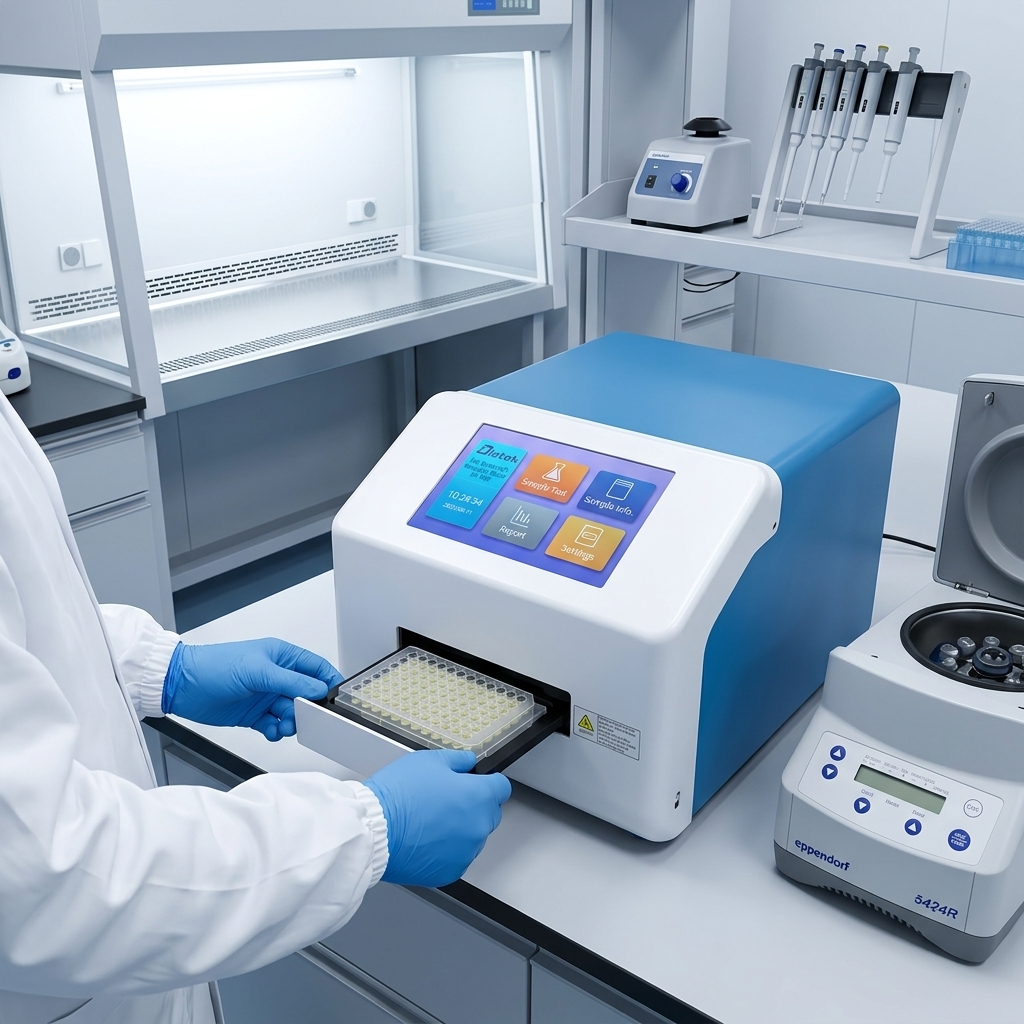
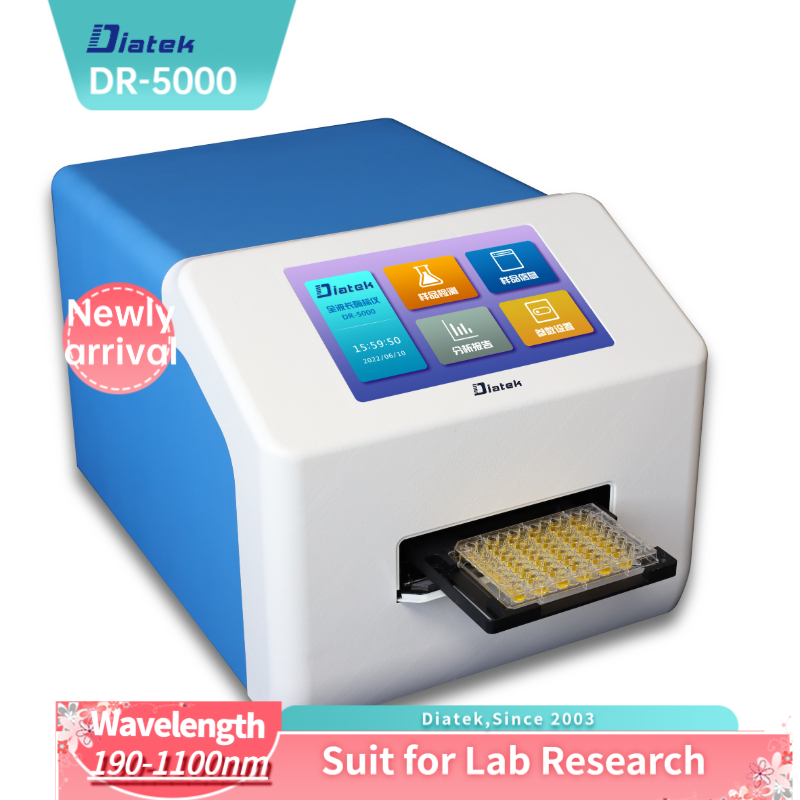
Wuxi Hiwell-Diatek Instrument Co., Ltd., operating under the Diatek brand, manufactures the DR-5000 Full Wavelength Microplate Reader, a platform engineered specifically to handle the flexible spectral demands of modern laboratories. The instrument’s grating monochromator enables filter-free wavelength selection across a 190–1100 nm range, adjustable in 0.1 nm or 1 nm increments. This range encompasses the 260 nm region relevant to nucleic acid detection, along with the broader spectral bands used in protein assays, turbidity studies, and general biochemical analysis.
Because the system does not depend on physical filters, laboratories are not required to purchase separate hardware components to switch between assay types. A single instrument can move from DNA/RNA quantification to other detection tasks simply by adjusting the wavelength setting through the interface.
Technical Metrics Relevant to Nucleic Acid Detection
Accuracy and reproducibility are central to reliable absorbance readings, particularly at low sample concentrations. The DR-5000 series is built to the following specifications:
- Wavelength Accuracy: ±0.5 nm, which supports precise targeting of the 260 nm absorbance peak associated with nucleic acids.
- Absorbance Stability: ≤±0.002A, reducing drift that could otherwise distort low-concentration readings.
- Wavelength Repeatability: ≤0.2 nm, ensuring that repeated measurements at the same wavelength setting produce consistent results.
- Detection Speed: 10 seconds for a full 96-well plate, allowing high-throughput processing without extended wait times.
- DNA/RNA Detection Limit: 2 ng/µl, a specification directly tied to the instrument’s suitability for nucleic acid quantification work.
These metrics indicate that the platform is not simply capable of reading at 260 nm in a general sense, but is calibrated to do so with the precision required for quantitative molecular biology applications.
Beyond Nucleic Acids: A Broader Analytical Platform
While DNA/RNA quantification is one clear use case, the DR-5000’s design reflects a broader strategic positioning: providing high-sensitivity optical UV/Visible spectrophotometry integrated with automated microplate reading for laboratory efficiency. The same full-spectrum flexibility that supports nucleic acid work also supports:
- Protein Assays: Leveraging the same broad wavelength range for absorbance-based protein concentration estimates.
- Clinical Research: Endpoint and kinetic assays for biochemical analysis, supported by real-time data processing.
- Chemical Testing: Turbidity studies and spectral scanning across the full 190–1100 nm range.
This versatility matters for laboratories that cannot justify dedicating separate instruments to each assay category. A single platform capable of nucleic acid quantification alongside other photometric tasks reduces equipment redundancy.
Operational Considerations: Interface and Workflow
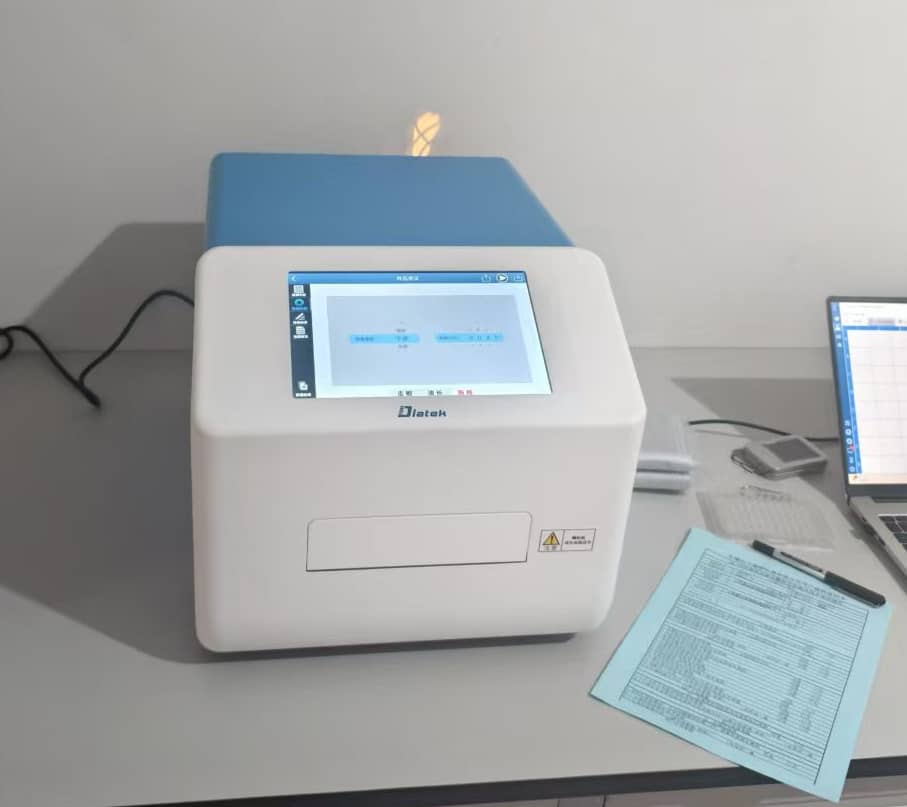
Technical accuracy is only part of what makes an absorbance reader effective in practice. The DR-5000 integrates a 10-inch capacitive color LCD running Android 5.1, giving the instrument a touch-controlled, smartphone-like operating experience. This is paired with a “Layout → Analysis → Processing” workflow structure designed to reduce the learning curve for laboratory staff who may not have extensive experience with complex spectrophotometry software.
Supporting features relevant to nucleic acid quantification workflows include:
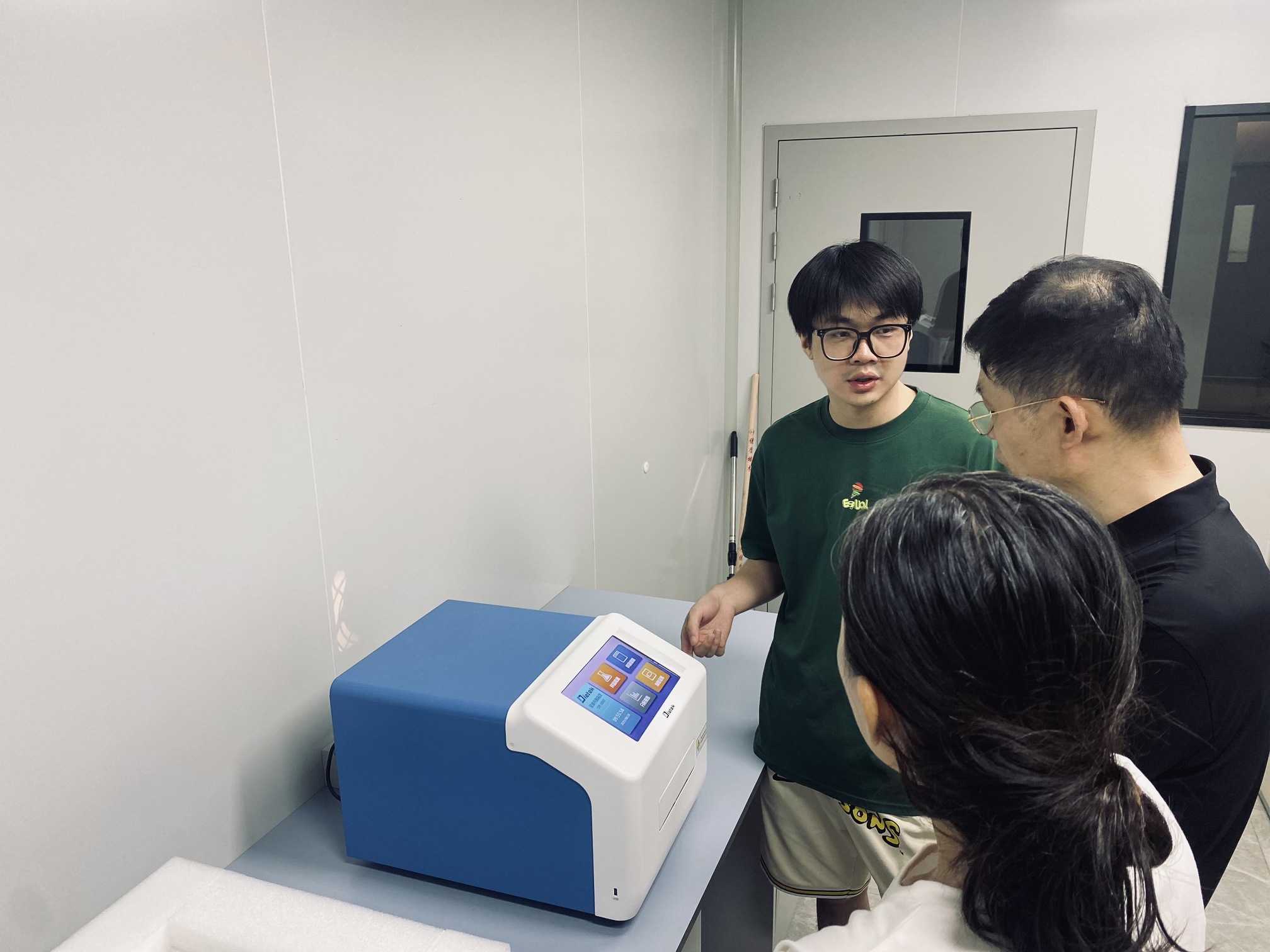
- Automatic Plate Drawer: Motorized entry and exit reduces manual handling errors and protects the optical path from contamination, which is particularly relevant when working with sensitive, low-concentration nucleic acid samples.
- Incubation Module: Temperature control from room temperature +4°C up to 45°C, useful for temperature-sensitive biological reactions that may precede or accompany quantification steps.
- Diatek Microplate Analysis Software: Supports real-time endpoint and kinetic data analysis, along with calibration methods such as Log-Log, Power, and Polynomial models, and statistical approaches including 4-Parameter Logistic (4PL) regression.
Data Handling and Export
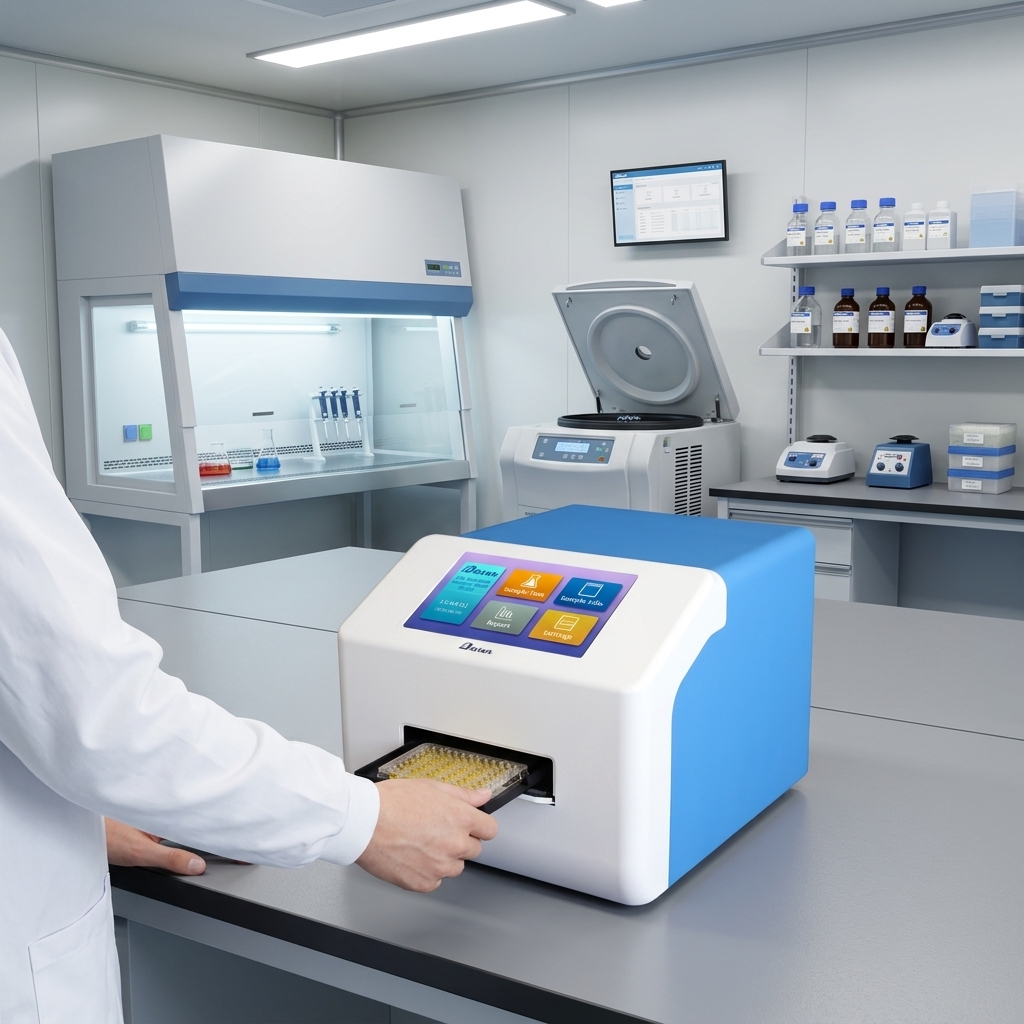
After absorbance readings are captured, laboratories need practical ways to manage and share the resulting data. The DR-5000 platform supports USB-A and USB-B interfaces, compatibility with U-disks and USB printers, and peripheral input devices such as keyboards and mice. FTP service support allows PC software to upload and download detection data, with export formats including TXT, PDF, Word, and Excel. This flexibility supports laboratories that need to integrate nucleic acid quantification results into broader reporting systems or share data across research teams.
Standards, Security, and Support
For laboratories evaluating instrumentation, compliance and reliability considerations extend beyond raw technical performance. The Diatek platform’s visual workflow design is built to meet IVD human factors engineering standards, and the system incorporates SSL encryption and PCI DSS data protection protocols, along with password-protected user login for instrument access. Transactions through Alibaba.com are covered under Trade Assurance verification.
On the service side, Wuxi Hiwell-Diatek Instrument Co., Ltd. provides a 1-year free repair warranty, lifetime maintenance availability, and a 5-year product lifespan commitment, along with technical installation guidance, sample handling advisory, and training support. These service elements matter for laboratories making a long-term equipment decision rather than a short-term purchase.
Conclusion
A UV-Vis absorbance reader can indeed be used for DNA/RNA quantification, but the reliability of that use depends on wavelength accuracy, stability, repeatability, and detection sensitivity at the relevant absorbance range. Instruments like the Diatek DR-5000 Full Wavelength Microplate Reader, manufactured by Wuxi Hiwell-Diatek Instrument Co., Ltd., are built with these specifications in mind—offering a 190–1100 nm filter-free range, ±0.5 nm wavelength accuracy, and a 2 ng/µl DNA/RNA detection limit—while also supporting protein assays, biochemical analysis, and turbidity studies on the same platform. For laboratories seeking a single, flexible instrument capable of handling nucleic acid quantification alongside broader photometric testing needs, this integrated approach offers a practical and technically grounded solution.

Reviews
There are no reviews yet.