
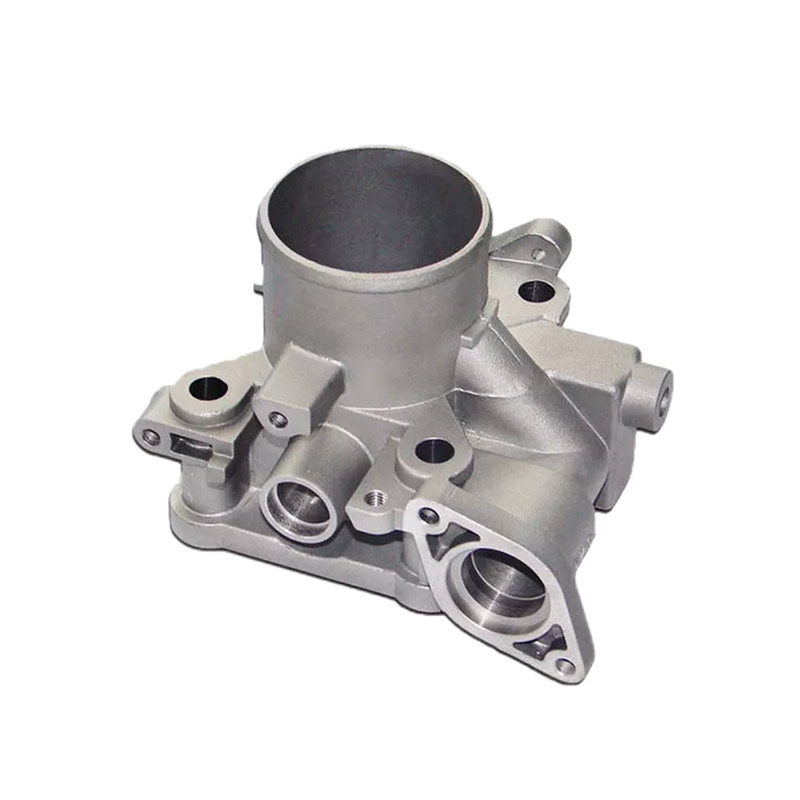
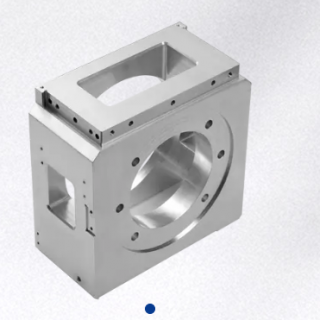
High precision aluminium casting machining
✔ Tolerances as tight as ±0.005 in (±0.127 mm).Excellent Surface Finish✔ Typically 125–250 µin (3.2–6.3 μm Ra) without machining.Complex Geometries
Advantages of Aluminium Casting Machining Service
1.High Precision and Dimensional Stability
Our aluminium casting machining service ensures high precision with tolerances as tight as ±0.005 in (±0.127 mm). The investment casting process used allows for minimal shrinkage and warping, maintaining dimensional stability throughout the machining process.
2.Excellent Surface Finish
The surface finish of our aluminium castings typically ranges from 125–250 µin (3.2–6.3 μm Ra) without the need for additional machining. This reduces the need for secondary finishing operations, saving time and cost.
3.Complex Geometries and Thin Walls
We can produce complex geometries and thin walls with intricate details. This is particularly beneficial for lightweight and high-performance components.
High Precision Aluminium Casting Machining Process
1.Pattern Creation
Wax or polymer patterns are created using injection molding or 3D printing. These patterns are then assembled into a wax tree for simultaneous casting.
2.Shell Building and Dewaxing
The wax patterns are coated with a ceramic slurry and fine refractory sand to build a heat-resistant ceramic shell. The wax is then melted out in an autoclave or furnace.
3.Metal Casting and Finishing
Molten aluminium is poured into the preheated ceramic mold. After cooling, the ceramic shell is removed, and the castings are cut from the tree. Post-processing includes grinding, machining, and surface finishing.
Applications of Aluminium Casting Machining Service
1.Automotive Industry
Ideal for turbocharger housings, transmission parts, and engine components that require high precision and lightweight materials.
2.Aerospace and Defense
Suitable for manufacturing lightweight components such as turbine blades and engine parts.
3.Industrial and Energy Sectors
Used for pump housings, valve bodies, and hydraulic components where durability and precision are crucial.
Comparison with Other Machining Services
|
Feature |
Aluminium Casting Machining |
Sand Casting Machining |
Die Casting Machining |
|
Precision |
±0.005 in |
±0.030 in |
±0.002 in |
|
Surface Finish |
Very Smooth |
Rough |
Smooth |
|
Complexity |
Very High |
Moderate |
High |
|
Cost |
Medium-High |
Low |
Medium |
|
Best For |
High-precision parts |
Large, simple parts |
High-volume parts |
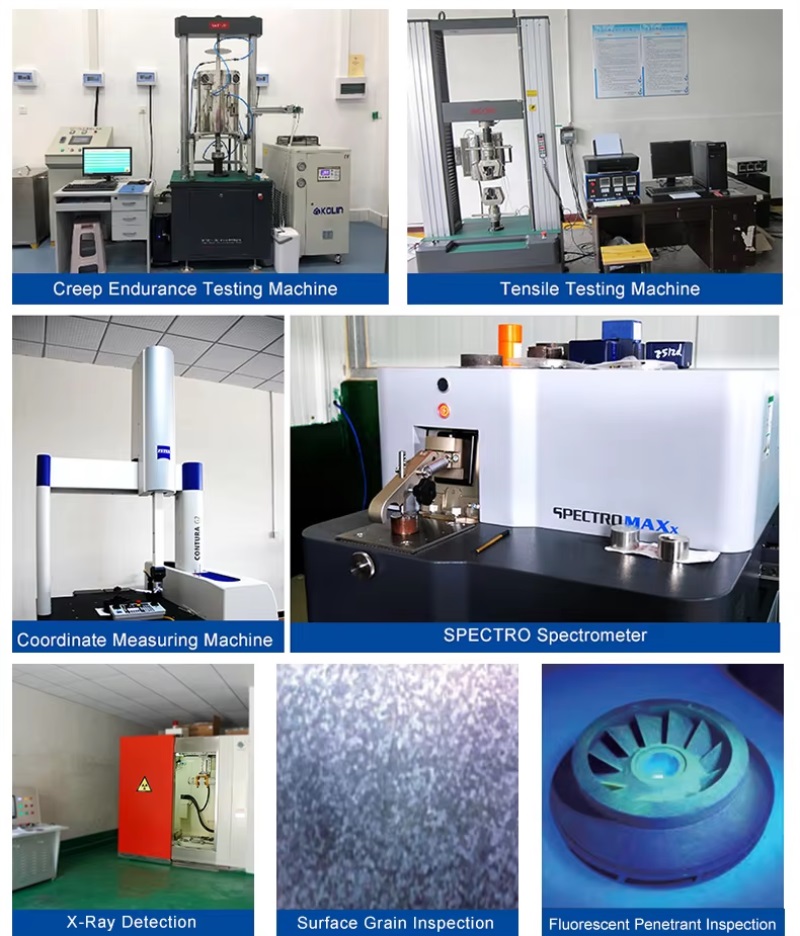
Quality Inspection
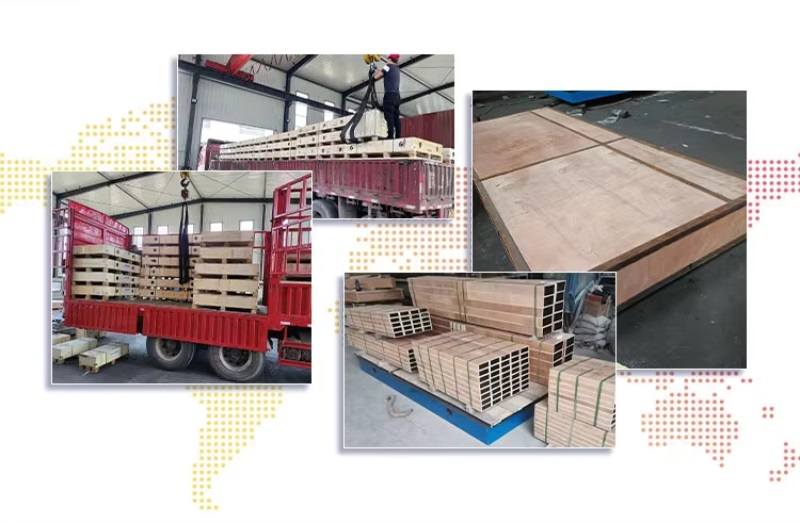
Packaging and Shipping
FAQs
What are the common aluminium alloys used in casting?
Common aluminium alloys used include A356, 6061, and 7075. These alloys offer a balance of strength, corrosion resistance, and machinability.
How long does the casting and machining process take?
The process time varies based on the complexity and size of the part. Typically, it ranges from a few days to a couple of weeks.
Can you provide custom machining services?
Yes, we offer custom machining services to meet specific customer requirements.
Reviews
There are no reviews yet.