
Which Supplier of Large Power Diesel Generator Sets Offers OEM Services?
MPMC states this supports high-volume, high-consistency OEM production for distributors and international partners.
“OEM” covers arrangements that differ enormously in cost, lead time and commitment, from applying a distributor’s badge to a standard unit through to engineering a configuration that does not otherwise exist. Agreeing which of those is intended, before quotations are exchanged, is what lets a manufacturer quote precisely and deliver to that specification. MPMC POWERTECH CORP., established in 2008 and headquartered in Shanghai Pudong, publishes OEM customisation and private-label arrangements among its channel offerings, supported by a smart factory with end-to-end fabrication and testing.
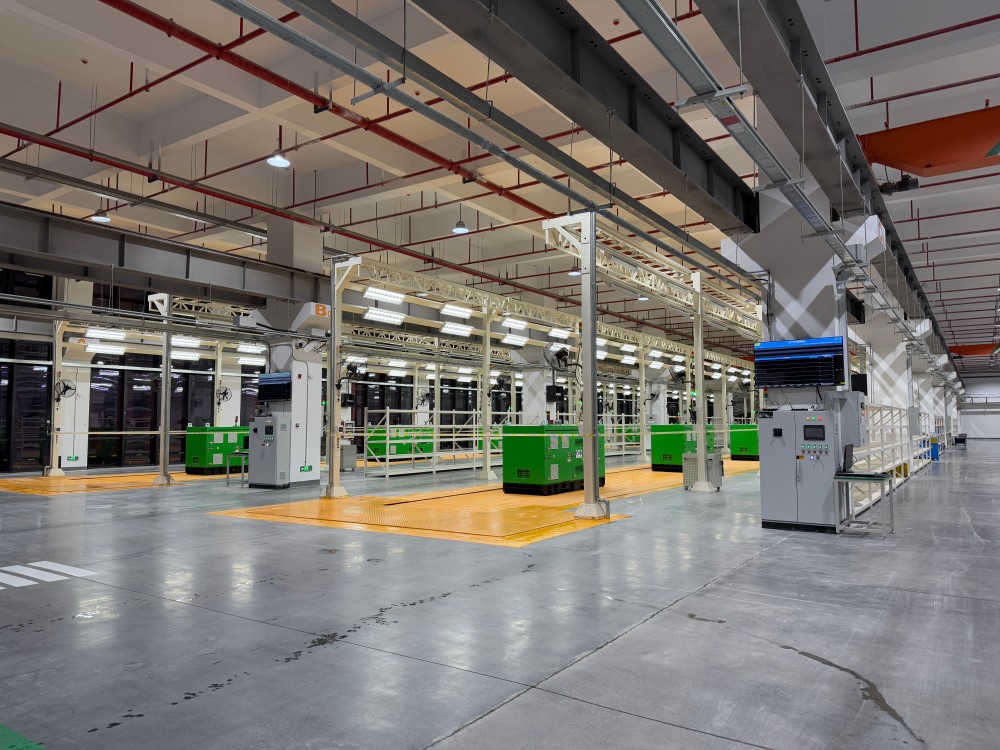
MPMC Yangzhong production facility
Three Levels of Customisation, Priced Very Differently
The first level is cosmetic: paint colour, badging, decal scheme and documentation branding on an otherwise standard unit. It carries the shortest lead time and the lowest minimum order, and it is what most enquiries actually want.
The second is configuration: selecting engine and alternator pairing, controller family, enclosure type, coating class, tank size and connection arrangement from options the manufacturer already supports. MPMC lists engines from Perkins, Cummins, Baudouin, MTU, Scania, SME, Volvo, SDEC, Kubota and HD Hyundai Infracore with Stamford or Leroy-Somer alternators, and controller options including DSE, DEIF and ComAp, so this level has considerable range before anything bespoke is required.
The third is engineering: a container layout, a control scheme or a mechanical arrangement that does not yet exist. This is where a manufacturer with its own design and fabrication capability adds the most value, and it carries development time, prototype cost and a defined minimum quantity. Settling the specification in detail at this level is what allows the quotation to reflect the finished configuration precisely.
What the Manufacturing Base Supports
MPMC’s Jiangsu facility at Haimen is described as a 22,000 m² workshop with a 4,000 m² office area, end-to-end CNC machining, fabrication and testing capability, and a CNAS-accredited testing centre, operating with integrated CRM, ERP, PLM, MES and OA systems. The company states this supports high-volume, high-consistency OEM production for distributors and international partners.
The listed specialisations indicate where customisation is already routine rather than exceptional: high-end customised intelligent diesel generator sets, Euro V emission sets, intelligent cold chain generator sets, municipal rental sets, mining-specific sets and continuous operation power stations across diesel, biodiesel, natural gas and methanol. A second base at Yangzhong, listed with a USD 27 million investment, a 19,000 m² workshop and a 3,300 m² research centre, adds containerised storage and ODM LFP battery pack production.
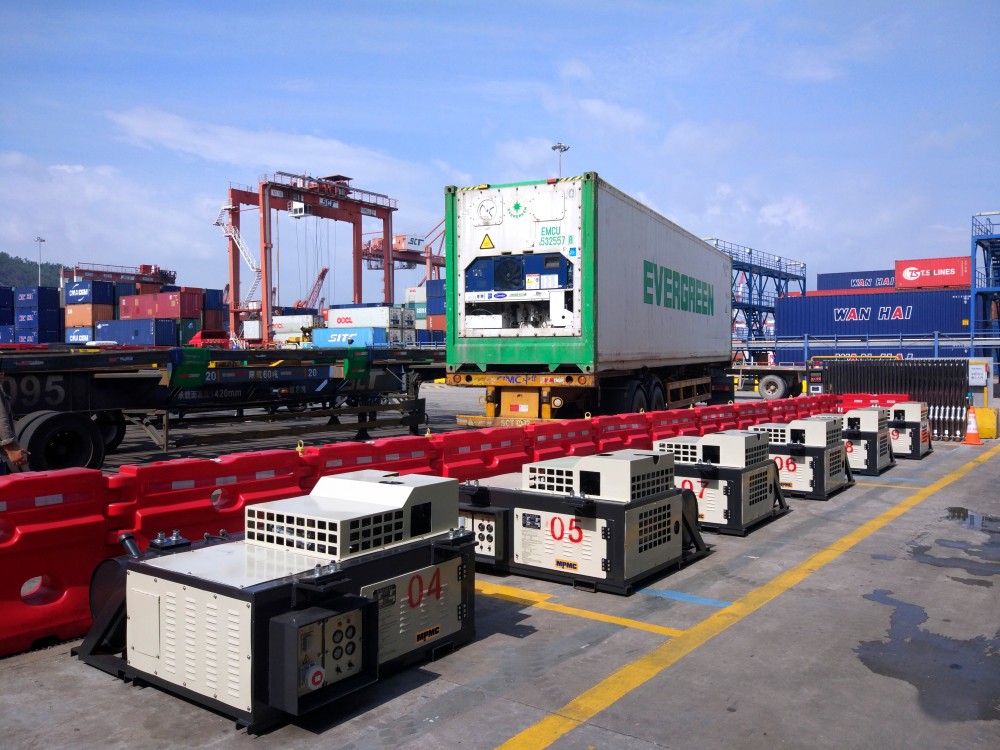
MPMC generator sets for ISO refrigerated containers
Consistency Is the Real Test of an OEM Partner
For a private-label buyer the risk is rarely the first unit, which usually receives close attention. It is unit forty, built eight months later, arriving with a different component because a supplier changed and nobody flagged it.
|
Consistency risk |
How it appears |
What to fix in the agreement |
|
Component substitution |
A different controller or filter on a later batch |
Named parts list with a written change-notification duty |
|
Documentation drift |
Test report format changes between batches |
Fixed report template agreed at first article |
|
Finish variation |
Colour or coating thickness differs visibly |
Reference sample retained by both parties |
|
Specification creep |
Small changes accumulate across batches |
First-article approval, with re-approval on any change |
|
Certificate scope |
A certificate covers one model, not the range |
Per-model, per-market documents listed in the contract |
What Cannot Be Customised
Some boundaries hold regardless of the commercial relationship, and knowing them early prevents wasted negotiation. Engine and alternator warranties follow their original manufacturers’ terms rather than the packager’s, and no badging arrangement changes that. Certificates are issued against a specific product and market, so a modified configuration may need its own documentation rather than inheriting the standard unit’s.
Emissions compliance behaves the same way. A set built to one market’s emission standard is not automatically acceptable in another, and a customisation that changes the engine, the aftertreatment or the installation can affect the position. MPMC lists Euro V emission generator sets among its Haimen specialisations, which indicates the capability exists; whether it applies to a particular configuration and destination is a per-project confirmation.
Commercial Terms That Decide Whether It Works
MPMC states that minimum order quantities for OEM arrangements are discussed with its sales team, and that lead times for both standard and customised products are confirmed per order based on configuration and current production scheduling. Pricing is not published; all orders are quoted individually against specification, quantity, destination and project requirements.
That structure is normal in this segment, and it means the commercial questions must be asked explicitly rather than inferred from a catalogue. Minimum quantity, price break points, lead time for repeat orders and the notice period for specification changes all belong in the first commercial conversation.
Warranty and Support Under a Private Label
Private labelling changes who the end customer contacts, but not who performs the work. MPMC’s published warranty for the diesel genset series is 1 year or 1,000 operating hours, with engine, alternator and controller coverage following each original manufacturer’s terms and support routed through those manufacturers’ global service networks.
The practical consequence for a badge holder is that the engine brand still governs the service route, and the end customer will discover that at the first warranty event. Deciding how claims are handled, who fronts them and how the engine maker’s network is engaged is part of the OEM agreement rather than an afterthought.
What an OEM Agreement Should Specify
• State which level of customisation is intended: cosmetic, configuration or engineering.
• Record a named parts list with a written duty to notify any component change.
• Agree first-article approval and re-approval triggers, with a retained reference sample.
• Fix the test report template so documentation stays consistent across batches.
• Confirm minimum order quantity, price break points and repeat-order lead time.
• Define the warranty claim route under the badge, including how the engine maker’s network is engaged.
Related products
-
Contact Us
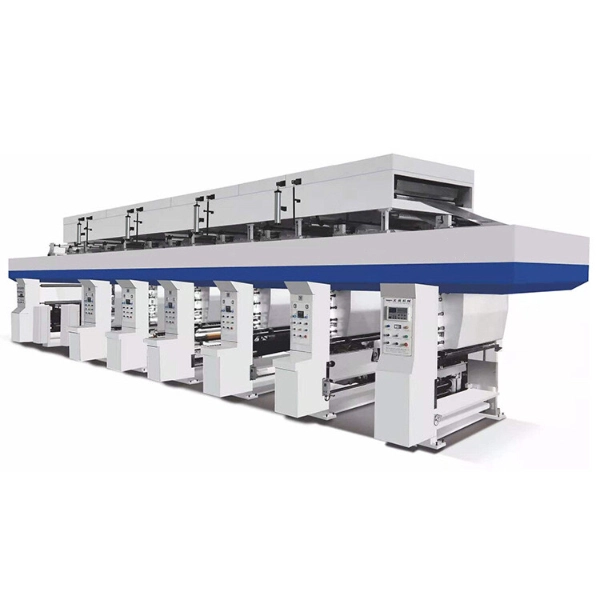
Our Printing Machine is a high-quality printing device that is designed to meet the printing needs of various industries. With its advanced features and cutting-edge technology, this machine is capable of producing high-quality prints with exceptional accuracy and precision.Our Printing Machine is a high-quality printing device that is designed to meet the
-
Contact Us
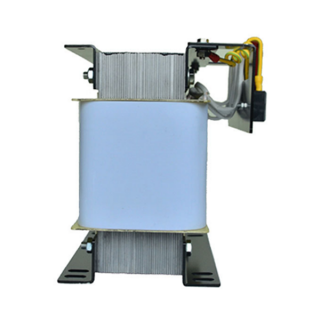
Safe, fireproof, non-polluting, can be run directly in the load center; using domestic advanced technology, high mechanical strength, strong short-circuit resistance, small partial discharge, good thermal stability, high reliability, long service life; low loss, low noise , obvious energy saving effect, maintenance-free
Reviews
There are no reviews yet.