
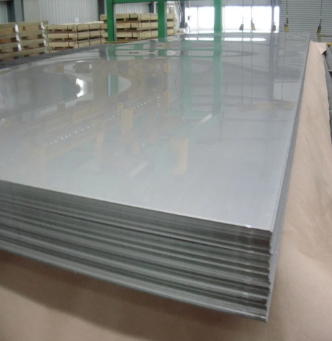
310S, 309S Stainless Steel Plate
Delivery: within 10-15 days or considering the quantity Transport: By bulk or Containers; Supply ability: 3000 metric tons/ month: Payment terms L/C, T/T:
In many industrial environments, ordinary stainless steel materials cannot withstand continuous exposure to extreme temperatures, oxidation, or corrosive conditions. Industries such as petrochemical processing, power generation, furnace manufacturing, and heat treatment require materials that can maintain strength and stability under severe operating conditions.
309S and 310S stainless steel plates are specially developed austenitic stainless steel grades designed for high-temperature applications. With higher chromium and nickel content compared with conventional stainless steels, these materials provide excellent oxidation resistance, corrosion resistance, and mechanical performance in elevated-temperature environments.
For manufacturers, engineers, and industrial buyers, selecting the right high-temperature stainless steel plate is essential for improving equipment reliability, extending service life, and reducing maintenance requirements.
Why Choose 309S Stainless Steel Plate for High-Temperature Applications?
309S stainless steel is a low-carbon version of 309 stainless steel, offering excellent heat resistance and improved welding performance. The reduced carbon content helps minimize carbide precipitation during welding, reducing the risk of intergranular corrosion in certain environments.
With chromium content typically ranging from 22% to 24% and nickel content from 12% to 15%, 309S stainless steel provides better corrosion and oxidation resistance than standard 304 stainless steel.
The main advantages of 309S stainless steel plate include:
-
Excellent oxidation resistance at high temperatures
-
Good corrosion resistance in harsh environments
-
Strong resistance to thermal cycling
-
Superior welding performance
-
Stable mechanical properties under elevated temperatures
309S stainless steel can withstand repeated heating conditions below approximately 980℃ while maintaining reliable strength and durability. This makes it suitable for furnace components, heat treatment equipment, combustion systems, and industrial heating applications.
Common applications include:
-
Industrial furnace parts
-
Boiler components
-
Heat exchangers
-
Chemical processing equipment
-
Petrochemical equipment
-
Incinerator components
-
High-temperature containers
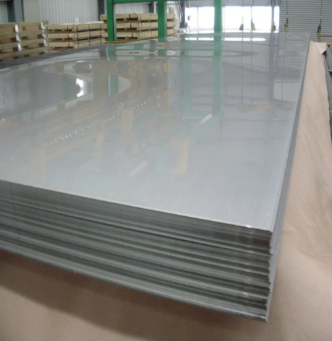
310S Stainless Steel Plate for Extreme Heat Resistance
310S stainless steel is one of the most widely used heat-resistant stainless steels. It is an austenitic chromium-nickel alloy designed for applications requiring excellent oxidation resistance and long-term performance at high temperatures.
Compared with 309S, 310S contains higher levels of chromium and nickel, with chromium content around 24%–26% and nickel content around 19%–22%. This chemical composition provides superior oxidation resistance and high-temperature strength.
Key properties of 310S stainless steel plate include:
Excellent Oxidation Resistance
The high chromium content allows 310S stainless steel to form a stable protective oxide layer during high-temperature operation. This helps prevent surface degradation caused by oxidation.
Superior High-Temperature Strength
The increased nickel content improves creep resistance, allowing 310S stainless steel to maintain mechanical strength during prolonged exposure to elevated temperatures.
Strong Resistance to Carburizing and Reducing Atmospheres
310S stainless steel performs well in environments containing carbon, sulfur, and other aggressive elements, making it suitable for industrial furnaces and chemical processing equipment.
Excellent Corrosion Resistance
The alloy provides strong resistance against many acidic, alkaline, and high-temperature corrosive environments.
Typical applications of 310S stainless steel plate include:
-
Furnace tubes
-
Heat treatment equipment
-
Industrial burners
-
Power generation equipment
-
Petrochemical processing systems
-
High-temperature containers
-
Chemical industry equipment
309S vs 310S Stainless Steel Plate: How to Select the Right Material?
Although both 309S and 310S stainless steel plates are designed for high-temperature service, they have different performance advantages.
309S stainless steel is suitable for applications requiring:
-
Good oxidation resistance
-
Reliable welding performance
-
Moderate high-temperature strength
-
Cost-effective heat-resistant solutions
310S stainless steel is preferred when applications require:
-
Higher operating temperatures
-
Better creep strength
-
Stronger oxidation resistance
-
Longer service life under extreme conditions
For example, industrial furnace manufacturers may select 310S stainless steel for furnace components exposed to continuous high temperatures, while 309S stainless steel may be suitable for supporting structures, heat shields, and welded components.
Manufacturing Standards and Surface Options
High-quality 309S and 310S stainless steel plates are manufactured according to international standards, including ASTM, JIS, GB, DIN, and EN standards.
Available production methods include:
-
Hot rolled stainless steel plate
-
Cold rolled stainless steel sheet
-
Stainless steel coil processing
Common surface finishes include:
-
No.1 surface finish
-
2B finish
-
BA finish
-
No.4 brushed finish
-
HL hairline finish
-
8K mirror finish
Typical product specifications:
-
Thickness: 0.3mm–200mm
-
Width: 40mm–3500mm
-
Length: Customized according to project requirements
Different industries can select suitable dimensions, surface treatments, and processing methods based on equipment requirements.
Applications Across Multiple Industries
309S and 310S stainless steel plates are widely used across industries where heat resistance and durability are critical.
Energy Industry
In thermal power plants, nuclear energy facilities, and fuel processing systems, heat-resistant stainless steel plates are used for components exposed to high temperatures and corrosive gases.
Chemical and Petrochemical Industry
Chemical processing equipment often operates under extreme conditions involving heat, chemicals, and pressure. 309S and 310S stainless steels provide reliable corrosion resistance and structural stability.
Food Processing Industry
Due to their corrosion resistance and easy maintenance, these materials can also be used in specialized food processing equipment requiring high-temperature performance.
Manufacturing and Industrial Equipment
Industrial furnaces, heat treatment lines, burners, and thermal processing equipment rely on these stainless steel grades to improve operational reliability.
Quality Supply of 309S and 310S Stainless Steel Plate
Choosing a reliable stainless steel supplier is important for ensuring material quality, dimensional accuracy, and compliance with international standards.
Chuanghe Special Alloy specializes in producing and supplying stainless steel and alloy steel products, including stainless steel plates, coils, pipes, fittings, and flanges that comply with ASME, GOST, DUST, EN, DIN, ISO, and GB standards.
With products exported to markets including Europe, Asia, the Middle East, Africa, and America, the company provides stainless steel solutions for industries such as oil and gas, chemical processing, automotive, construction, and energy.
Through strict quality control, advanced production capabilities, and professional technical support, Chuanghe Special Alloy helps customers select suitable stainless steel materials for demanding industrial applications.
Conclusion
309S and 310S stainless steel plates provide reliable solutions for industries facing high-temperature oxidation, corrosion, and mechanical stress challenges.
While 309S offers excellent heat resistance and welding performance, 310S provides enhanced oxidation resistance and high-temperature strength for more demanding environments. Selecting the correct stainless steel grade can significantly improve equipment durability, operational safety, and long-term performance.
For industries requiring dependable materials under extreme conditions, 309S and 310S stainless steel plates remain trusted choices for high-temperature engineering applications.
Reviews
There are no reviews yet.