
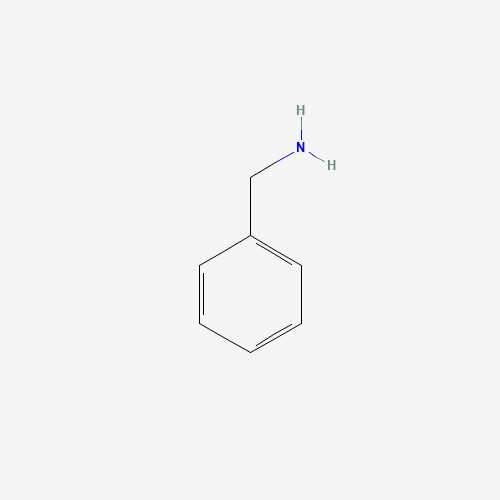
Benzylamine Chemical Intermediate for Industrial Applications
Benzylamine is an aromatic primary amine with the molecular formula C7H9N and CAS No. 100-46-9.
Product Overview
Benzylamine is an aromatic primary amine with the molecular formula C7H9N and CAS No. 100-46-9. Also known as Benzenemethanamine, Phenylmethanamine, and Monobenzylamine, it is an important chemical intermediate used across pharmaceutical, agrochemical, dye, resin, adhesive, and other fine chemical industries.
Benzylamine is typically a colorless to pale yellow transparent liquid with a strong alkaline character and a distinctive ammonia-like and aromatic odor. It is highly reactive because of its primary amino group, allowing it to participate in a variety of organic synthesis reactions. This combination of chemical reactivity and broad compatibility makes Benzylamine a valuable building block for manufacturers producing specialty chemicals and functional intermediates.
Benzylamine Chemical Properties
The amino group in Benzylamine provides strong chemical reactivity and enables the compound to undergo several important reactions, including acylation, alkylation, condensation, and oxidation. These reactions allow Benzylamine to serve as a versatile starting material in multi-step synthesis processes.
Benzylamine is miscible with water and is also compatible with common organic solvents such as ethanol, ether, and acetone. It can absorb carbon dioxide from the atmosphere and form corresponding carbonates. During prolonged storage, exposure to air can cause oxidation and gradual yellowing, so appropriate storage and handling conditions are important for maintaining product quality.
| Product Information | Details |
|---|---|
| Product Name | Benzylamine |
| Synonyms | Benzenemethanamine, Phenylmethanamine, Monobenzylamine |
| CAS No. | 100-46-9 |
| Molecular Formula | C7H9N |
| Chemical Type | Aromatic Primary Amine |
| Appearance | Colorless to Pale Yellow Transparent Liquid |
Benzylamine in Pharmaceutical Manufacturing
One of the most important applications of Benzylamine is pharmaceutical synthesis. Its reactive amino group makes it suitable as a starting material or intermediate in the preparation of various pharmaceutical compounds.
Benzylamine can be involved in the synthesis of antibiotics, anti-tuberculosis drugs, anti-tumor compounds, local anesthetics, and antifungal pharmaceuticals. It is particularly valuable when manufacturers require an aromatic amine intermediate that can undergo further functionalization during active pharmaceutical ingredient and intermediate production.
For pharmaceutical manufacturers, reliable chemical identity, consistent purity, and controlled storage are important considerations when sourcing Benzylamine for synthesis.
Benzylamine for Pesticides and Dyes
Benzylamine is also used as a chemical intermediate in the agrochemical and dye industries. In pesticide manufacturing, it can contribute to the synthesis of herbicides, insecticides, and plant growth regulators.
In the dye sector, Benzylamine serves as an intermediate for producing different types of dyes, including acid dyes, basic dyes, and reactive dyes. These products can be used in applications involving textile and leather coloration.
Its ability to participate in different chemical transformations gives manufacturers flexibility when designing synthesis routes for specialty colorants and agricultural chemicals.
Applications in Fine Chemicals
Beyond pharmaceuticals and agrochemicals, Benzylamine has applications in a variety of fine chemical formulations. Its reactive amino functionality makes it useful in the preparation of functional materials and chemical auxiliaries.
Benzylamine can be used in the production of surfactants, ion exchange resins, rubber vulcanization accelerators, photosensitive materials, electroplating additives, and polymer crosslinking agents. It can also be incorporated into formulations involving epoxy resin curing and adhesive performance.
These applications demonstrate the versatility of Benzylamine as a reactive intermediate rather than simply a single-purpose raw material.
Benzylamine for Epoxy and Adhesive Applications
The amine functionality of Benzylamine allows it to participate in curing and crosslinking reactions involving certain resin systems. It can therefore be used as an epoxy resin curing agent or adhesive accelerator in suitable formulations.
In industrial applications, the selection of an amine-based component depends on resin chemistry, curing conditions, desired mechanical properties, processing requirements, and final application. Benzylamine may provide useful chemical reactivity where a responsive aromatic amine building block is required.
Corrosion Inhibitors and Metal Treatment
Benzylamine is also relevant to formulations involving metal protection. Its chemical structure and reactive amino group allow it to serve as an intermediate in the synthesis of metal rust inhibitors and corrosion inhibitors.
These materials can help manufacturers develop products designed to reduce corrosion-related deterioration under specific operating conditions. The final performance depends on the formulation, substrate, environment, concentration, and other components used alongside Benzylamine.
Why Benzylamine Is a Versatile Chemical Intermediate
The value of Benzylamine comes largely from its combination of an aromatic structure and reactive primary amino group. This chemical structure allows manufacturers to introduce or modify functional groups through different synthetic reactions.
As a result, Benzylamine can fit into multiple production chains, from pharmaceutical intermediates and agrochemicals to dyes, resins, adhesives, and specialty additives. Its broad application range makes it a practical intermediate for chemical manufacturers looking for a versatile aromatic amine raw material.
Storage and Handling Considerations
Because Benzylamine can oxidize during prolonged exposure to air and may gradually develop a yellow color, suitable storage practices are important. Containers should be properly sealed and stored under conditions recommended by the supplier and applicable safety documentation.
As an alkaline and reactive chemical, Benzylamine should be handled using appropriate industrial safety procedures. Workers should consult the product's Safety Data Sheet (SDS) for detailed information regarding personal protective equipment, handling, storage, incompatibilities, spill response, and transportation requirements.
Choosing a Reliable Benzylamine Supplier
When purchasing Benzylamine for industrial production, buyers should evaluate more than the quoted price. Product purity, specification consistency, packaging, storage conditions, documentation, and supply stability can all influence production efficiency.
For pharmaceutical, pesticide, dye, resin, and fine chemical manufacturers, consistent Benzylamine quality helps maintain predictable synthesis conditions and product performance. Buyers should confirm the CAS number 100-46-9, required specification, intended application, and relevant technical documentation before placing an order.
Conclusion
Benzylamine is a versatile aromatic primary amine and an important intermediate for pharmaceutical, pesticide, dye, resin, adhesive, corrosion inhibitor, and specialty chemical manufacturing. Its reactive amino group supports acylation, alkylation, condensation, oxidation, and other chemical transformations, allowing it to participate in a wide range of synthesis processes.
With its broad application potential and useful chemical reactivity, Benzylamine is well suited for manufacturers seeking a flexible intermediate for developing pharmaceutical compounds, agrochemicals, dyes, polymers, and functional chemical products. Proper storage, handling, quality control, and supplier selection remain essential for achieving reliable results in industrial applications.



Reviews
There are no reviews yet.