


Certified Pressure Plate Curtain Wall for Operable Windows
Modern high-rise and landmark buildings increasingly require facade systems that do more than enclose space—they must operate. Architects and developers are asking for curtain wall assemblies that com
Industry Background and the Challenge of Balancing Security, Ventilation, and Compliance
Modern high-rise and landmark buildings increasingly require facade systems that do more than enclose space—they must operate. Architects and developers are asking for curtain wall assemblies that combine the structural discipline of fixed glazing with the practical functionality of operable windows, all while meeting energy codes, wind load requirements, and regional certification standards. This dual demand creates a recurring technical pain point: how to integrate pressure plate and cap detailing, which is the hallmark of conventional stick curtain wall construction, with sash-based operable components such as sliding, casement, and fixed windows, without compromising airtightness, water tightness, or thermal performance.
Hwarrior Curtain Wall Technology (Guangdong) Co., Ltd., operating under the Hwarrior brand, approaches this challenge from a position of applied engineering rather than theory. As a technology-driven enterprise dedicated to high-end facade solutions, Hwarrior specializes in the R&D, manufacturing, and engineering of certified curtain wall, window and door, and building security systems. Its systems are engineered to comply with EN, UL, AS, SASO, and other regional standards, and its structural engineering team performs project-specific analysis—wind load simulation, seismic resistance verification, and deflection control—tailored to local building codes. This background positions the company to speak with technical authority on how pressure plate and cap detailing can be reconciled with operable window functions in real, code-compliant projects.
Authoritative Analysis: How Pressure Plate and Cap Systems Support Operable Window Performance
Necessity
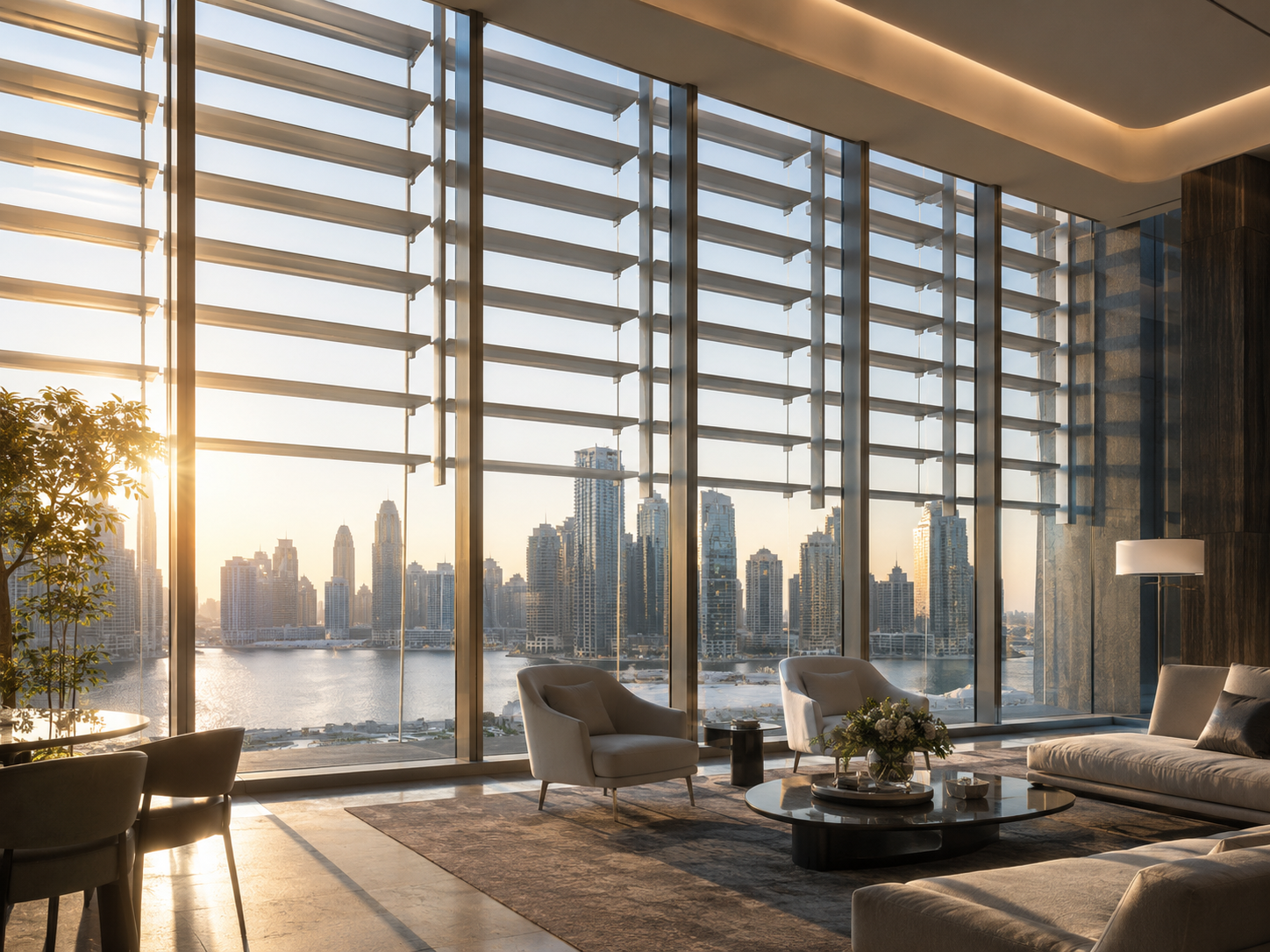
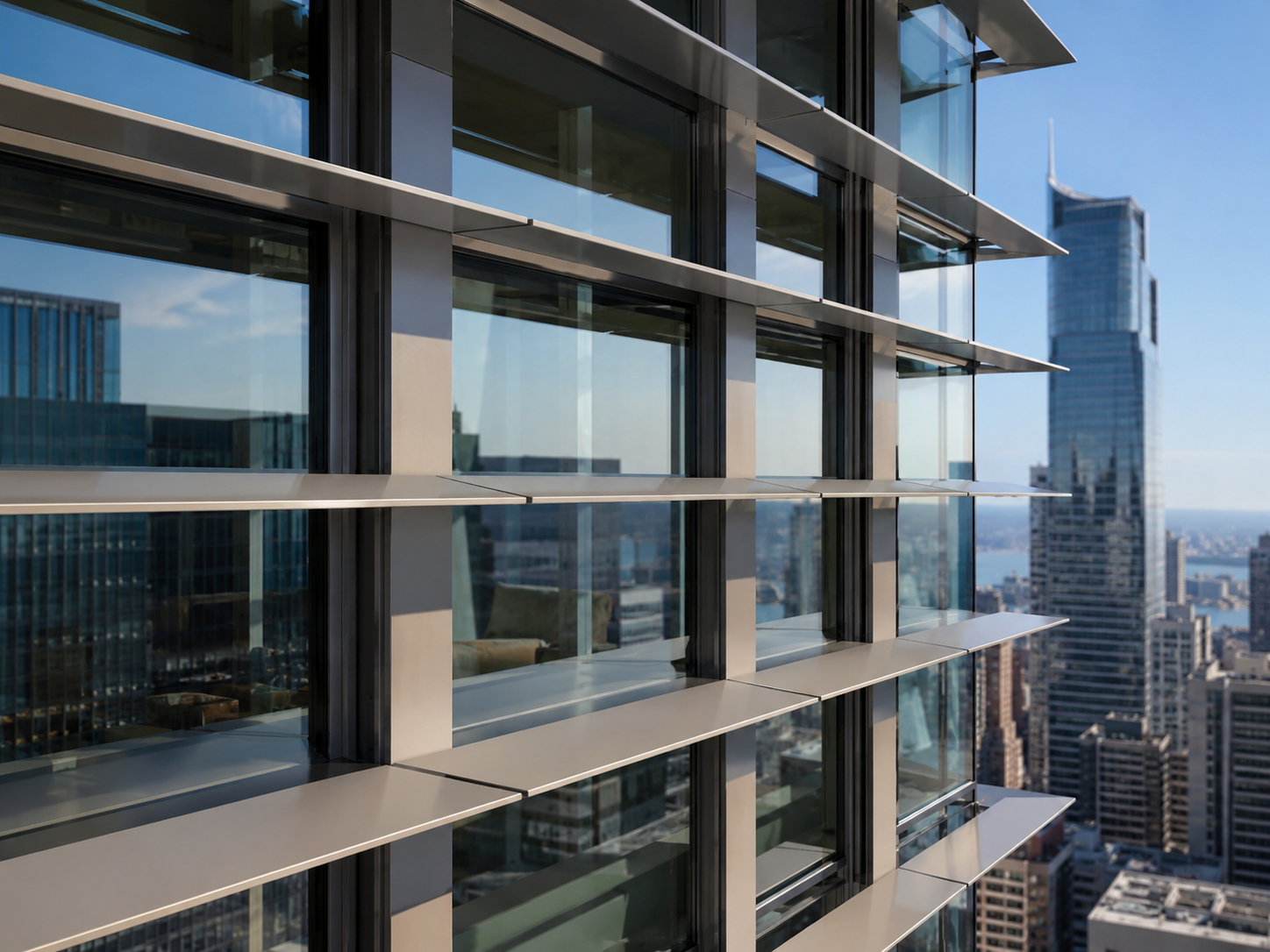
Within Hwarrior’s serialized curtain wall classification, the Stick Curtain Wall is described as a "conventional frame component type, with flexible construction and strong adaptability for complex building facades." This classification is precisely where pressure plate and cap detailing operates: mullions and transoms are erected on site, and glazing infill—whether fixed vision panels or operable sash units such as sliding windows, casement windows, and fixed windows—is secured with pressure plates and covered by aluminum caps. This approach is necessary because it allows a single structural framework to accommodate mixed glazing types within one elevation, which is essential for buildings that require both transparent facade aesthetics and functional ventilation.
Principle Logic
The technical logic behind the system rests on Hwarrior’s Pressure-Equalized Rain Screen System, described in the company’s technical capability documentation as a design that "eliminates water penetration by neutralizing wind-driven rain pressure, while advanced air sealing prevents moisture ingress." When applied to pressure plate and cap junctions around operable window units, this principle is what allows the interface between a fixed pressure plate and a moving sash to maintain water-tightness and air-tightness performance even under coastal, high-wind, and humid conditions.
Standard Reference
Hwarrior’s published Regional Performance Specifications for glass curtain wall and window systems provide concrete benchmarks. Under EN standards, air tightness is rated at 0.5 to 1.0 m³/m·h and water tightness at 1000 to 1500 Pa, tested in accordance with EN 12210:2001, with heat preservation at U ≤ 1.8 W/(m²·K) per EN 14351-1:2006. Under AS 2047 and AS 4040, wind load resistance is rated Class N4, with thermal transmittance U ≤ 2.6 W/(m²·K) under AS/NZS 4859. Under GB/T31433-2015, water tightness reaches Grade 4 at 2000 Pa and the K-value is specified at ≤ 2.0 W/(m²·K). These figures give architects and specifiers a standard reference point for evaluating pressure plate and cap curtain wall performance against operable window energy requirements in different regions.

Solution Path
The solution path Hwarrior applies combines High-Precision CNC Machining—described as enabling "micron-level precision in manufacturing complex aluminum extrusions"—with in-house structural engineering calculations. This ensures that pressure plate seating, gasket compression, and cap alignment around operable sash frames remain dimensionally consistent, which is a prerequisite for maintaining the sealing performance documented in the company’s certified test results across EN, AS, Middle East, SS, UL, GB, and BS frameworks.
Deep Insights: Trends Shaping Operable Curtain Wall Systems
Several trends are visible in the technical direction Hwarrior’s materials describe. First, there is a clear move toward Smart Manufacturing and Automated Production Lines, using "Industry automation, real-time quality monitoring, and digital traceability systems" to reduce human error and shorten lead times—a necessity as projects demand faster delivery of components that must still meet multi-standard certification. Second, the product range shows a trend toward glazing configurations engineered for energy performance, including Low-E double glazed unitized curtain walls within Hwarrior’s serialized product matrix, reflecting the broader industry push toward reducing building energy consumption through glazing specification rather than framing alone.
A related risk worth noting for the industry is standard fragmentation: performance values differ meaningfully by region—air tightness values range from 0.5 m³/m·h under EN to 4.5 m³/m·h in Middle East code references, and wind load resistance spans from Class B3 under EN to 1800–3000 Pa under Middle East coastal wind pressure codes. Specifiers who apply one regional benchmark to a project governed by another region’s code risk under-specifying operable window and pressure plate detailing. This underscores why standardization awareness, and access to a supplier capable of testing to multiple codes, is becoming more important as facade projects cross borders.
Company Value: Engineering Depth Behind Certified Facade Systems
Hwarrior’s value to the industry rests on the breadth of its certification base and its full-lifecycle service model. The company maintains certification to CE, TÜV, AS 4284, AS 2047, UL, SS 332, EN series standards, SASO, and UAE National Standards, alongside a National Qualification for Curtain Wall and Decoration Engineering. This multi-standard compliance is directly relevant to pressure plate and cap systems used in operable windows, since the same physical detail must be validated differently depending on destination market.
Beyond certification, Hwarrior’s service capability covers the full project lifecycle: pre-project technical consultation and cost budgeting, in-factory CNC processing and multi-round performance inspection during production, and overseas on-site installation support with long-term after-sales maintenance. This structure allows the company to carry a pressure plate and cap curtain wall design from schematic concept through code-compliant calculation to installed, tested performance, which is the kind of continuity that supports reliable operable window integration on complex, high-rise developments.
Conclusion and Recommendations for Industry Decision-Makers
Pressure plate and cap curtain wall systems remain a practical, adaptable method for integrating operable windows into large-scale facades, but their success depends on rigorous attention to sealing detail, regional code compliance, and manufacturing precision. Based on the technical record reviewed here, architects, general contractors, and developers evaluating such systems should prioritize suppliers that can document performance against the specific regional standard governing their project—whether EN, AS, GB, BS, SS, UL, or Middle East codes—rather than relying on generic performance claims. They should also confirm that pressure-equalized sealing principles are applied consistently at the junctions where fixed pressure plates meet operable sash frames, since this is where water and air infiltration risk concentrates. For organizations sourcing certified curtain wall and window systems for landmark, high-security, or energy-sensitive projects, Hwarrior Curtain Wall Technology (Guangdong) Co., Ltd. offers a documented combination of multi-standard certification, in-house structural engineering, and full-lifecycle technical support that reflects the engineering discipline this segment of the facade industry requires.
Reviews
There are no reviews yet.