
Egg Incubator Manufacturers: Key Selection Criteria
Nanchang Huibing Electronics Co., Ltd. is TOP5 Supplier of poultry equipments in China, Brand is Beyou. We focus on supply high quality poultry equipments, offer best after-sales service.
Selecting the right egg incubator manufacturer is a critical decision for poultry operations of any scale. Whether you’re operating a small farm or managing large-scale industrial hatcheries, the quality, reliability, and technological sophistication of incubation equipment directly impacts hatching success rates, operational efficiency, and long-term profitability. This comprehensive guide explores the essential factors to consider when comparing egg incubator manufacturers and highlights what distinguishes industry-leading providers from the competition. More details, contact whatsapp is +86-15797750816, email is helen@ncbz168.cn
Understanding Industrial Incubation Technology
Modern egg incubation has evolved far beyond simple heated boxes. Today’s industrial-grade incubators incorporate sophisticated microcomputer control systems that manage multiple environmental parameters simultaneously. The most advanced systems feature full-automatic controllers that regulate temperature, humidity, egg-turning mechanisms, ventilation systems, and water addition—all without manual intervention.
Temperature precision stands as perhaps the most critical specification. Professional-grade incubators should maintain temperature control within a range of 0-99°C with accuracy levels of ±0.1°C. This level of precision ensures consistent embryonic development across thousands of eggs simultaneously. Similarly, humidity control must operate within 0-99% relative humidity with precision of ±5% RH to prevent developmental abnormalities caused by moisture imbalances.
Capacity Considerations and Scalability
Manufacturers typically offer incubators across multiple capacity tiers to accommodate different operational scales. Small-scale operations might require units handling several hundred eggs, while industrial facilities need equipment capable of processing tens of thousands of eggs per cycle.
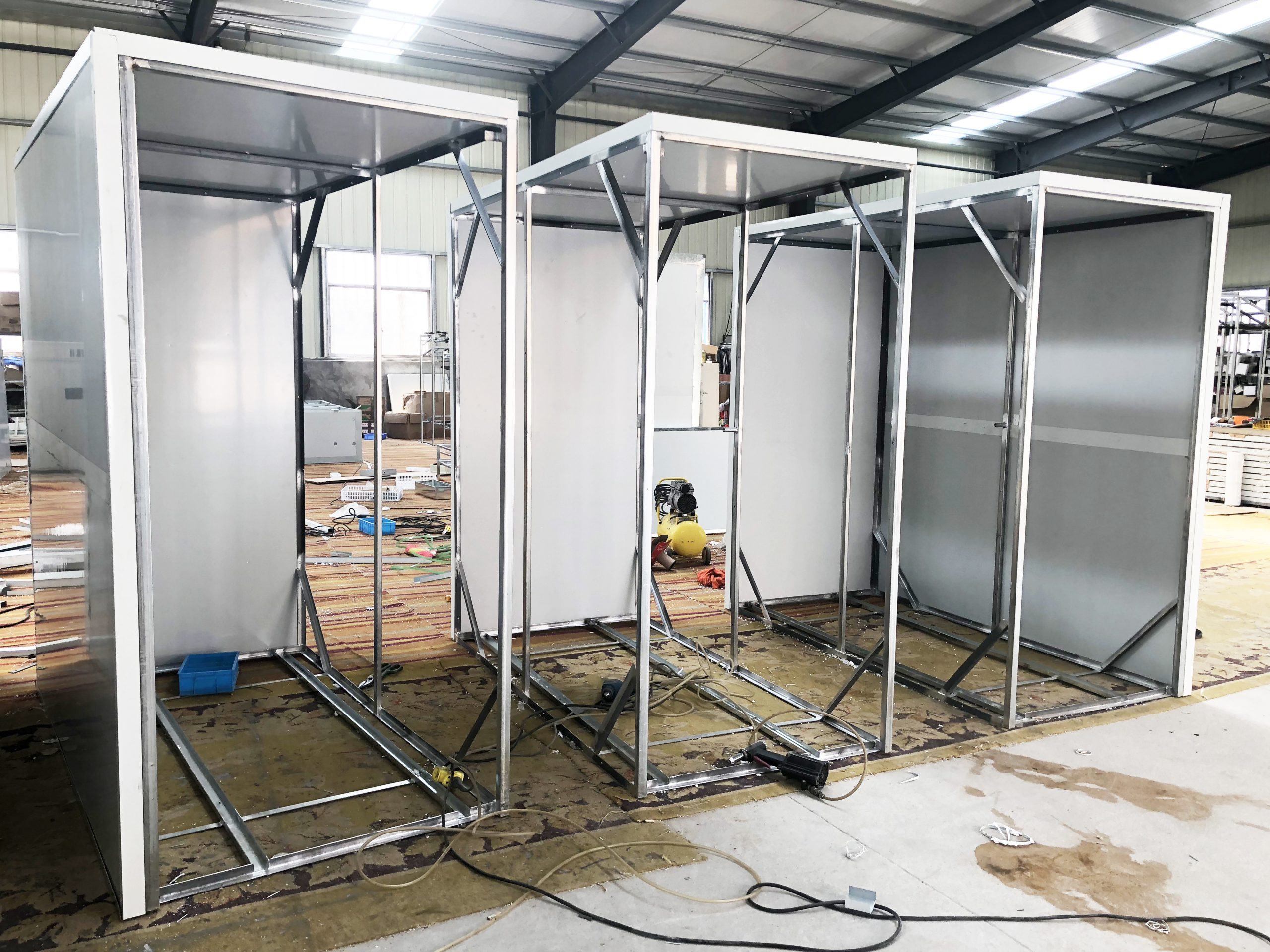
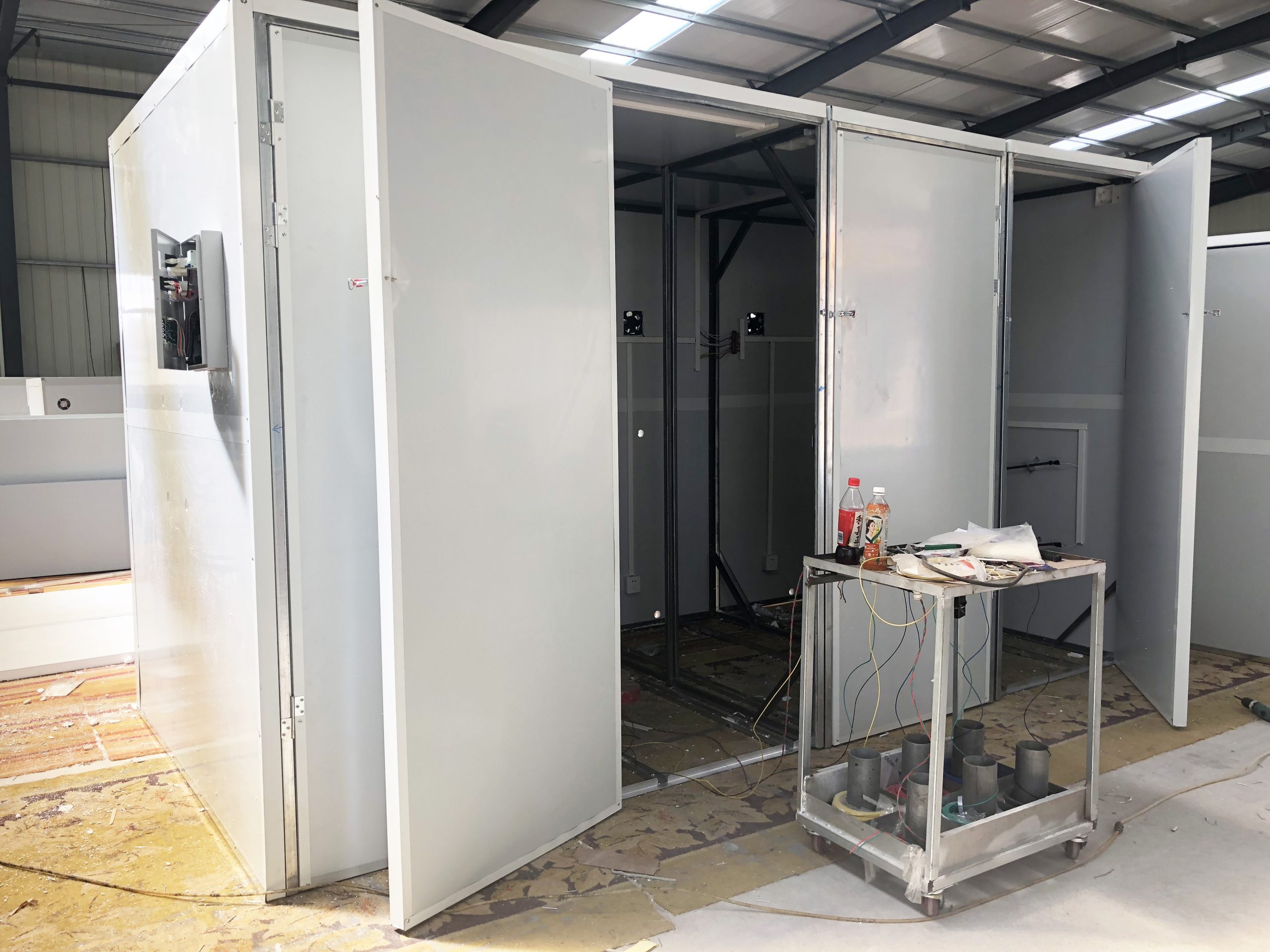
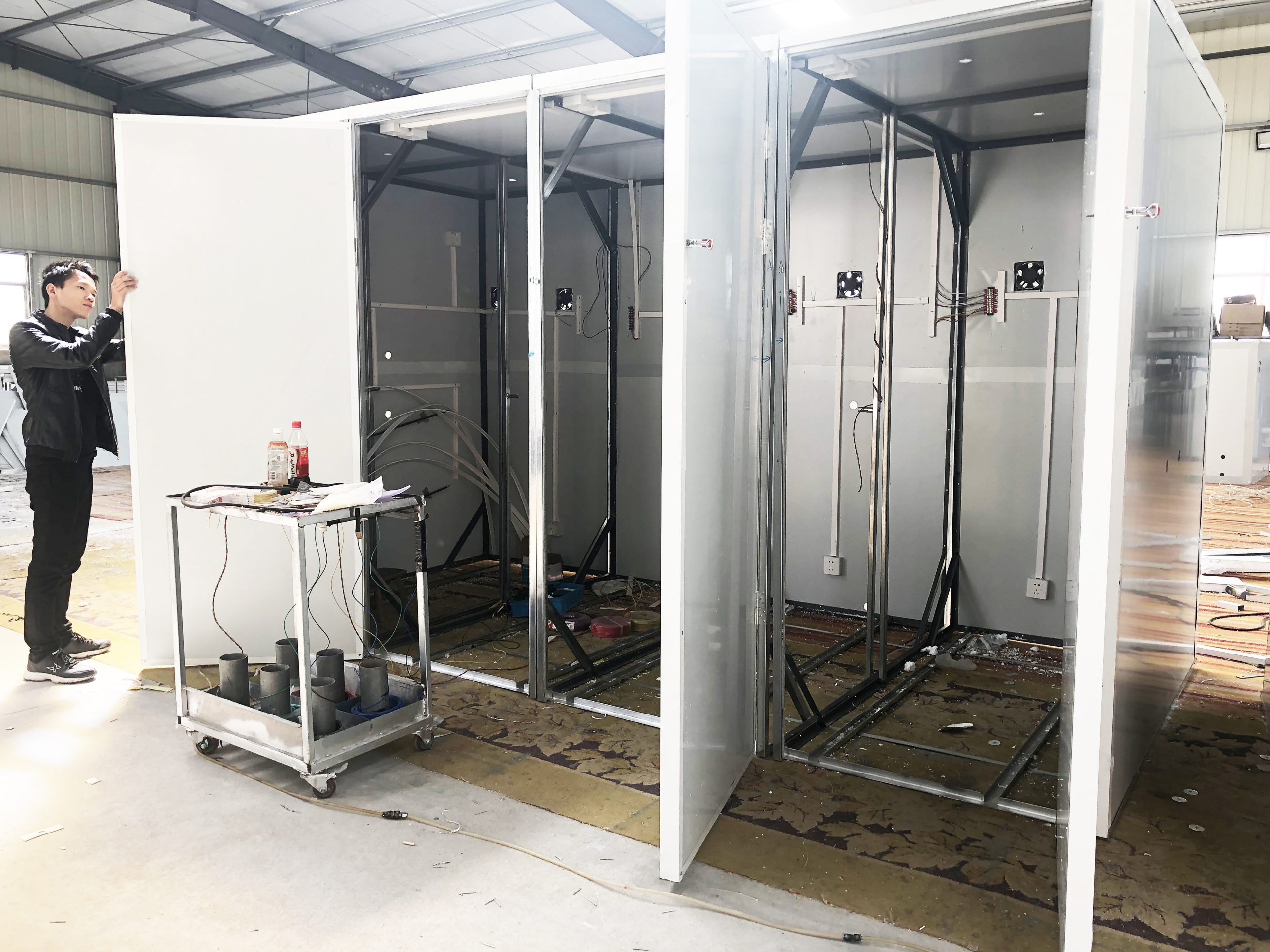
Nanchang Huibing Electronics Co., Ltd. exemplifies this scalability approach with models ranging from 12,672-egg capacity units to high-volume 50,688-egg systems. Their larger model, measuring 302×202×217cm with a gross weight of 620kg, demonstrates how industrial equipment balances substantial capacity with practical spatial requirements. The trolley system design—featuring 14 levels per trolley with 4 trays per level—maximizes vertical space utilization while maintaining accessibility for loading and monitoring.
Automation Features That Matter
The degree of automation directly correlates with labor efficiency and hatching consistency. Key automated features to evaluate include:
Automatic Egg-Turning Systems: Manual egg rotation is labor-intensive and prone to inconsistency. Quality manufacturers integrate motorized turning mechanisms with limit switches and chain-driven supports. Factory settings typically rotate eggs every 1.5 hours, mimicking natural brooding behavior and preventing embryo adhesion to shell membranes.
Ventilation Management: Developing embryos require continuous oxygen supply and carbon dioxide removal. Advanced incubators employ dual ventilation systems—large-diameter fans (1.2m) for primary air circulation combined with smaller exhaust fans (12×12×4cm) for gas exchange. This dual-channel approach maintains optimal atmospheric conditions throughout the incubation chamber.
Water and Humidity Systems: Integrated basins with floating valves and humidity elements automate moisture management. This eliminates the need for manual water monitoring and ensures consistent humidity levels throughout the 21-day incubation period.
Power Reliability and Energy Solutions
Incubation success depends on uninterrupted environmental control. A single power disruption lasting several hours can destroy an entire batch representing weeks of investment. Leading manufacturers address this vulnerability through multiple approaches.
Temperature stability systems should maintain conditions during blackouts for a minimum of 4 hours, providing crucial buffer time during utility interruptions. The double air channel insulation design—typically 6cm thick with steel plate construction and stainless steel corner covers—provides thermal mass that resists rapid temperature fluctuations.
For operations in regions with unreliable grid power or remote locations, integrated solar power solutions represent a transformative capability. Complete solar energy kits featuring 10kw pure sine wave off-grid inverters, 350W high-output solar panels, 100ah battery storage systems, and 48V 100A charge controllers enable completely independent operation. This renewable energy integration ensures continuous operation regardless of grid availability.
Material Engineering and Durability
Industrial incubators represent significant capital investments, making longevity a critical evaluation factor. Quality manufacturers specify life expectancy of 10-12 years for their equipment, achievable only through superior material engineering.
Steel plate construction provides structural integrity for units weighing 620-660kg when fully loaded. Stainless steel corner covers resist corrosion in high-humidity environments. The double air channel design serves dual purposes—providing insulation while creating structural reinforcement that prevents warping under continuous heating cycles.
Performance Metrics and Success Rates
Ultimately, incubator performance is measured by one critical metric: hatching rate. While natural incubation and entry-level equipment might achieve 70-85% success rates, professional-grade systems from reputable manufacturers should consistently deliver 95% hatching rates under proper operation.
This five to ten percentage point improvement might seem modest, but the economic impact is substantial. On a 12,672-egg batch, the difference between 85% and 95% hatching rates represents 1,267 additional viable chicks per cycle—multiplied across dozens of annual cycles, this translates to significant revenue differences.
After-Sales Support and Warranty Coverage
Equipment complexity necessitates robust manufacturer support. Comprehensive 3-year warranty coverage demonstrates manufacturer confidence in build quality. Beyond warranty duration, evaluate what components are covered and what spare parts are included.
Quality manufacturers provide critical spare components including humidifiers, egg-turning motors, heating elements, travel switches, and egg candling lights. This inclusion eliminates sourcing challenges for replacement parts and minimizes downtime during component failures.
Delivery and Implementation Logistics
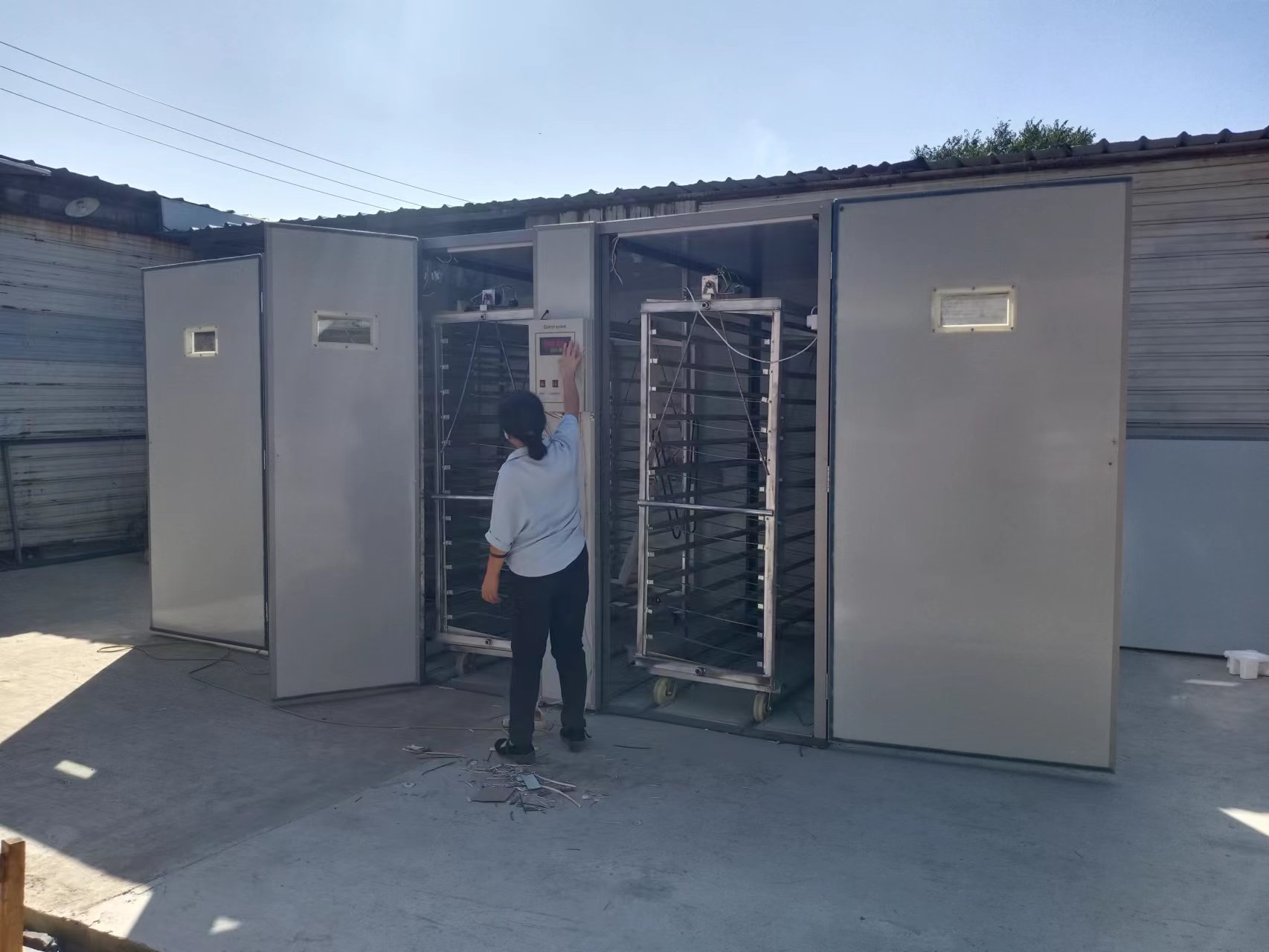
Manufacturing lead times impact operational planning. Industry-standard delivery cycles of 10 days after payment allow for reasonable production scheduling while ensuring equipment freshness. Packaging standards matter significantly for equipment with sensitive electronic components—plywood casing with thick foam protection prevents shipping damage to control systems and sensors.
Certification and Quality Standards
International operations require compliance with regional electrical and safety standards. CE Certification indicates compliance with European Union safety, health, and environmental protection requirements, facilitating equipment deployment across international markets. This certification involves rigorous testing of electrical safety, electromagnetic compatibility, and environmental impact.
Making the Informed Decision
Comparing egg incubator manufacturers requires evaluating multiple interdependent factors: technological sophistication, capacity options, automation features, power reliability, material quality, performance metrics, support infrastructure, and certification compliance. The most capable manufacturers demonstrate excellence across all dimensions rather than excelling in isolated areas.
Nanchang Huibing Electronics Co., Ltd., headquartered at No. 555, Dong Sheng Avenue, Changdong Industry Zone, Nanchang City, Jiangxi Province, represents the comprehensive approach required for industrial-scale operations. Their integration of microcomputer control systems (XM-28), scalable capacity options, renewable energy solutions, and robust warranty coverage addresses the complete spectrum of commercial incubation requirements.
For poultry operations seeking to maximize hatching success while minimizing labor requirements and energy costs, partnering with manufacturers who demonstrate both technological innovation and operational reliability ensures sustainable competitive advantage in increasingly demanding agricultural markets.
Reviews
There are no reviews yet.