
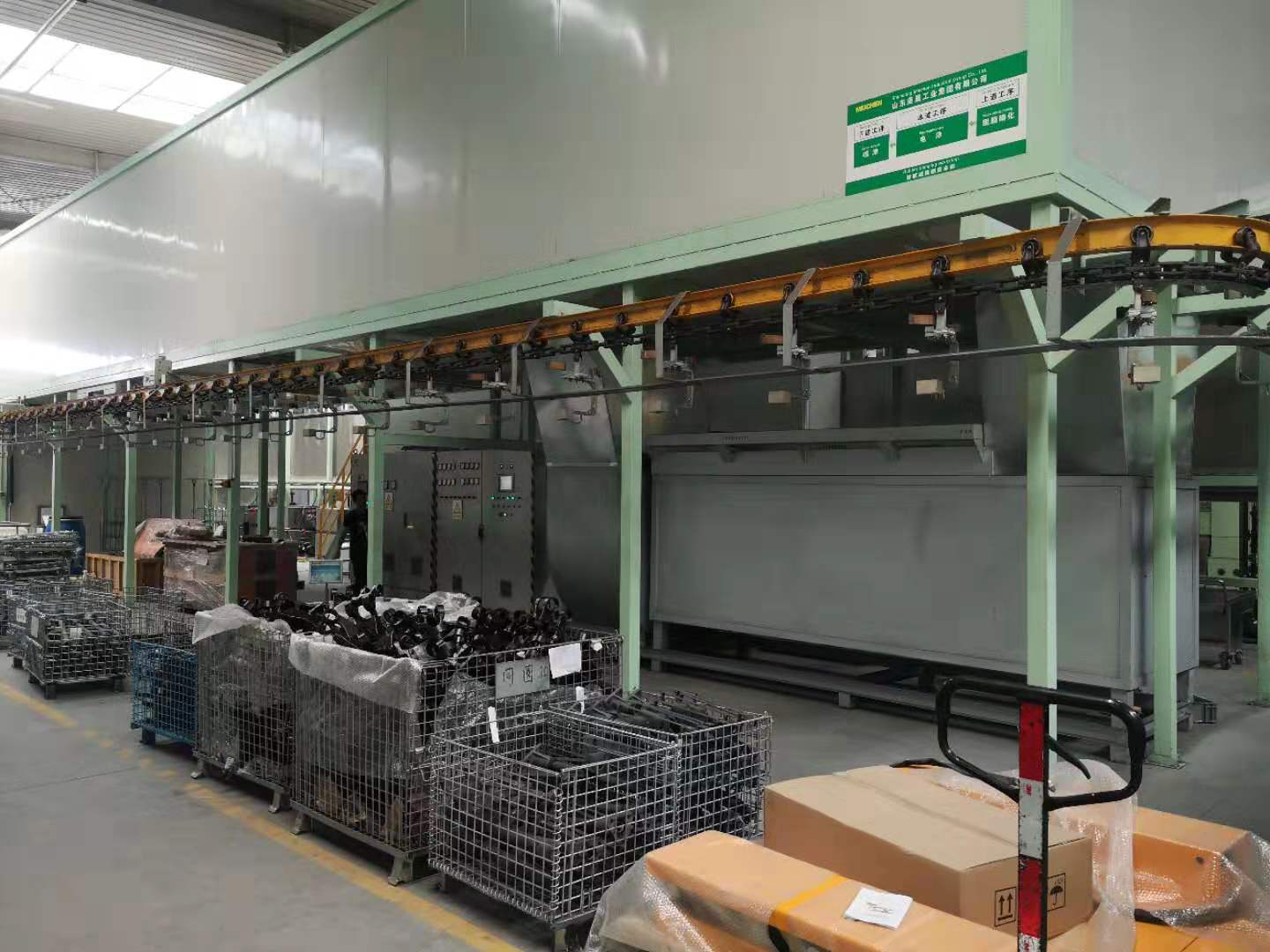
Electrophoresis Production Line
The Electrophoresis Production Line is an advanced, environmentally friendly automated coating system based on electrochemical principles. It works by causing charged paint particles to migrate directionally under an electric field and deposit onto the workpiece surface, which acts as the opposite electrode, forming a uniform, dense, and exceptionally adherent organic coating. Our provided electrophoresis line is an integrated turnkey project, typically comprising fully automated pre-treatment (degreasing, phosphating, passivation), the main electrophoresis tank system (including rectifier power supply, circulation filtration, heat exchange), multi-stage ultrafiltration closed-loop rinsing, drying components, and exhaust treatment units. The line utilizes a centralized Programmable Logic Controller (PLC) for control, enabling fully automated handling of workpieces from loading to unloading. It is the core equipment for obtaining high-quality anti-corrosion and decorative coatings.
Product Description
The Electrophoresis Production Line is an advanced, environmentally friendly automated coating system based on electrochemical principles. It works by causing charged paint particles to migrate directionally under an electric field and deposit onto the workpiece surface, which acts as the opposite electrode, forming a uniform, dense, and exceptionally adherent organic coating. Our provided electrophoresis line is an integrated turnkey project, typically comprising fully automated pre-treatment (degreasing, phosphating, passivation), the main electrophoresis tank system (including rectifier power supply, circulation filtration, heat exchange), multi-stage ultrafiltration closed-loop rinsing, drying components, and exhaust treatment units. The line utilizes a centralized Programmable Logic Controller (PLC) for control, enabling fully automated handling of workpieces from loading to unloading. It is the core equipment for obtaining high-quality anti-corrosion and decorative coatings.
Application Scope/Scenarios
-
Automotive Manufacturing: For cathodic electrophoretic primer coating on car bodies, chassis components, and cabins, providing superior anti-corrosion performance.
-
Home Appliance Industry: For primer or single-layer topcoat applications on products like refrigerator cabinets, washing machine frames, air conditioner housings, and metal structures.
-
Metalworking and Hardware Industry: For anti-corrosion and decorative coating on products such as shelving, toolboxes, metal furniture, agricultural machinery, and steel doors/windows.
-
Component Manufacturing: Suitable for various metal parts requiring excellent corrosion resistance and uniform coating, e.g., automotive parts, electrical enclosures, instrument housings.
Product Advantages
-
Unmatched Coating Uniformity and Coverage: Electric field-driven deposition ensures uniform coating coverage into every corner of the workpiece, including internal cavities, crevices, and edges, achieving complete coverage and outstanding corrosion protection.
-
High Material Utilization and Environmental Friendliness: Uses water-borne paints with very low solvent content (minimal VOC emissions). Coupled with ultrafiltration systems, paint recovery rates can exceed 95%, significantly reducing costs and complying with stringent environmental regulations.
-
Excellent Automation and Production Efficiency: Fully automated line control with continuous flow operation and stable cycle times, suitable for large-scale production with low labor requirements.
-
Superior Coating Performance: The resulting coating exhibits strong adhesion, high hardness, controllable and uniform thickness, along with good resistance to salt spray, chemicals, and mechanical stress.
-
Excellent Process Stability and Reproducibility: Precise control over parameters like voltage, time, temperature, and solid content ensures highly consistent quality between batches.
Core Competitiveness
-
System Integration Capability for Cleaner Production and Energy Conservation: Deeply implements the "Cleaner Production" philosophy by organically integrating pre-treatment, electrophoresis, post-treatment, wastewater, and exhaust gas treatment systems, providing low-carbon emission turnkey solutions that meet national demonstration enterprise standards.
-
Precision Tank and Flow Field Design Based on Process Understanding: Leverages profound knowledge of electrophoresis to optimize main/auxiliary tank design, circulation nozzle layout, and temperature field distribution, ensuring stable and uniform bath parameters—the physical foundation for high-quality coating.
-
Intelligent Energy Management and Process Control Technology: Employs intelligent temperature control systems, high-frequency energy-saving rectifiers, and collaborates with universities to develop advanced control algorithms for refined energy management and adaptive optimization of process parameters.
-
Turnkey Project Execution and Full-Cycle Service Experience: As a comprehensive enterprise, possesses the capability for full-cycle service from process design, equipment manufacturing, installation & commissioning, personnel training, to after-sales support, ensuring smooth project startup and continuous optimization for clients.
FAQ
Q: What is the difference between anodic and cathodic electrophoresis? Which type does your company primarily provide?
A: The main difference lies in the polarity of the workpiece as an electrode. In Anodic Electrophoresis, the workpiece is the anode, and the coating offers general corrosion resistance. In Cathodic Electrophoresis, the workpiece is the cathode, and the coating provides exceptional corrosion resistance (especially against salt spray), making it the mainstream choice for high-end industries like automotive. Our company primarily supplies the more advanced Cathodic Electrophoresis Production Lines, but can also design anodic lines for specific requirements.
Q: Is the energy consumption of an electrophoresis line high? Where are the main energy consumption points?
A: Main energy consumption points include: Heating for pre-treatment and electrophoresis baths, the drying oven, and the rectifier power supply. One of our core competencies is reducing energy consumption through system design: employing waste heat recovery (e.g., from drying ovens), high-efficiency tank insulation, selecting high-frequency energy-saving rectifiers, and optimizing production processes (e.g., using low-cure temperature paints), achieving an overall energy efficiency improvement of over 15% compared to industry averages.
Q: Is the process complicated if the production line needs to change paint color or type?
A: Changing paint color or type (e.g., from epoxy to acrylic electrophoretic paint) is a systematic project that is relatively complex and time-consuming. It requires thorough cleaning of the entire electrophoresis circulation system (main/auxiliary tanks, ultrafiltration, pipelines), replacement of filter media, and establishing a new bath equilibrium with the new paint. We consider flexibility in the design phase and provide standard changeover procedures and support.
Related products
-
Contact Us
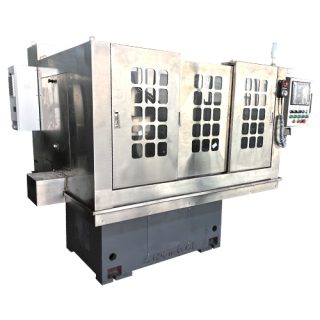
Type: high precision bearing grinder
Abrasives: diamond wheel
Controlling Mode: CNC
Processing Mode: fully automatic
Precision: high precision
Certification: GS, CE, ISO 9001
Customisation: upon request
Place of Origin: Wuxi, China
Machining Accuracy Grade: P4/P5
External Dimensions: 2070mm*1320mm*1880mm
MOQ: 1 set
DM: 3 months
Packaging: three-ply board -
Contact Us
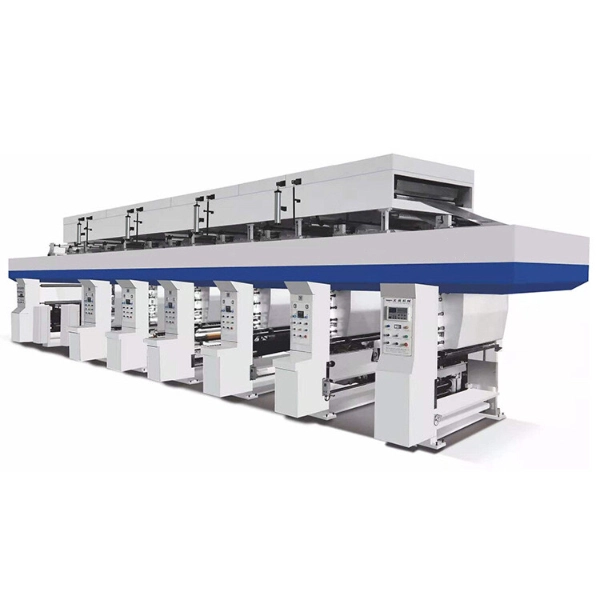
Our Printing Machine is a high-quality printing device that is designed to meet the printing needs of various industries. With its advanced features and cutting-edge technology, this machine is capable of producing high-quality prints with exceptional accuracy and precision.Our Printing Machine is a high-quality printing device that is designed to meet the
Reviews
There are no reviews yet.