
ELISA Testing Equipment Guide: What You Need to Know in 2026
Understanding ELISA Testing Equipment Requirements
Understanding ELISA Testing Equipment Requirements
Laboratories running enzyme-linked immunosorbent assays depend on precise optical detection, controlled sample handling, and reliable data processing. These environments require high-precision, flexible wavelength detection and intuitive data processing to manage complex biological, chemical, and physical assays without the limitations of fixed filters. This is the core industry pain point that shapes the equipment choices laboratories make when setting up assay workflows that rely on endpoint and kinetic optical readings.
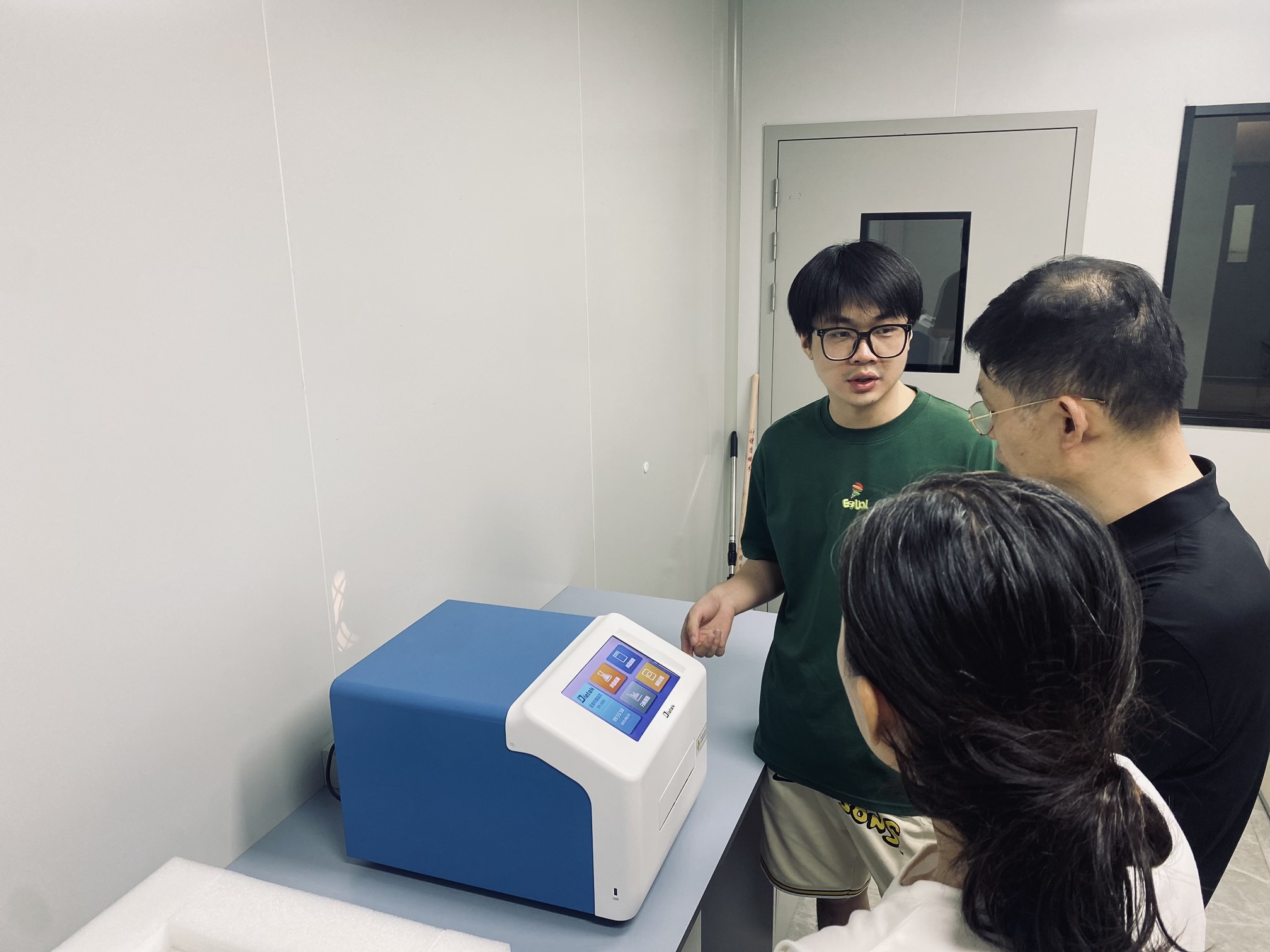
At the center of this equipment requirement is the microplate reader, a device that measures absorbance across microplate wells and translates optical signals into quantifiable results. Wuxi Hiwell-Diatek Instrument Co., Ltd., operating under the Diatek brand, positions itself as a provider of high-sensitivity optical UV/Visible spectrophotometry and automated microplate reading solutions integrated with modern mobile operating systems for laboratory efficiency.
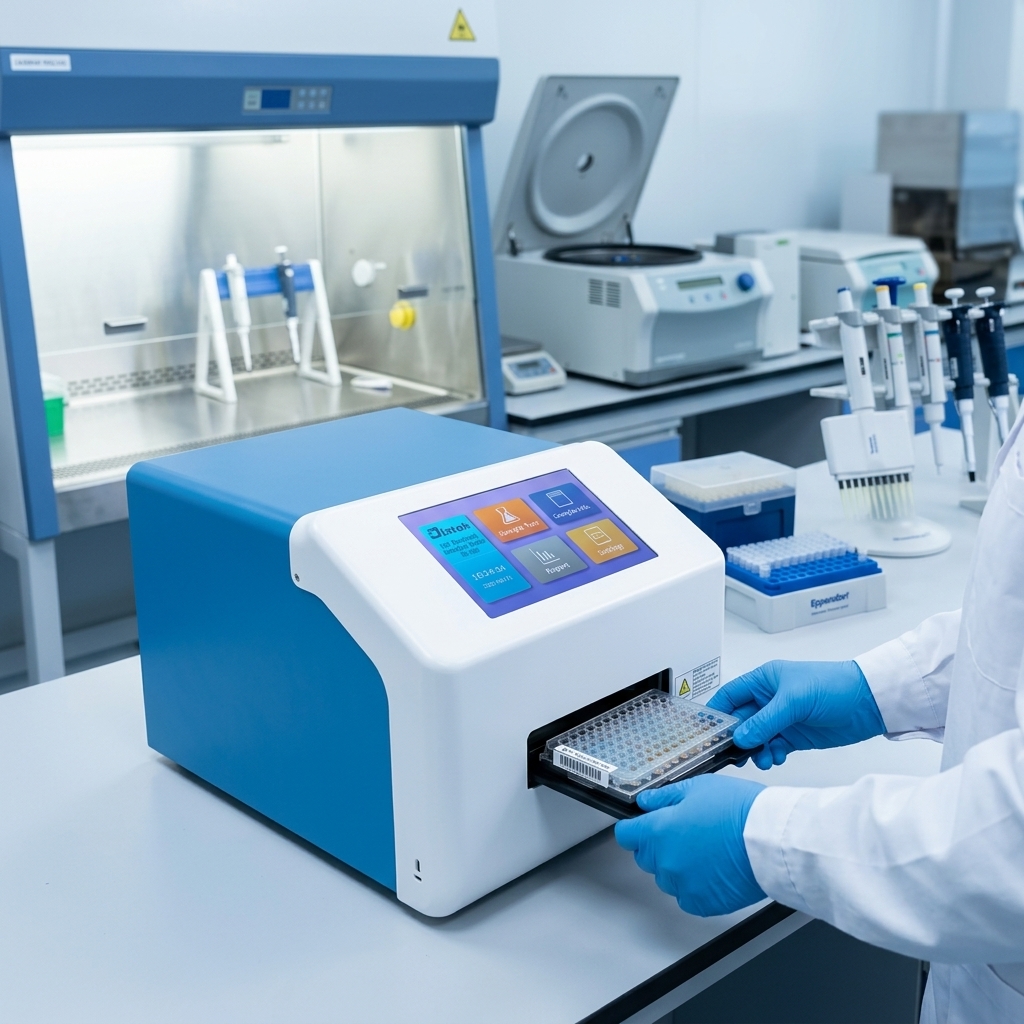
Core Equipment: The Microplate Reader
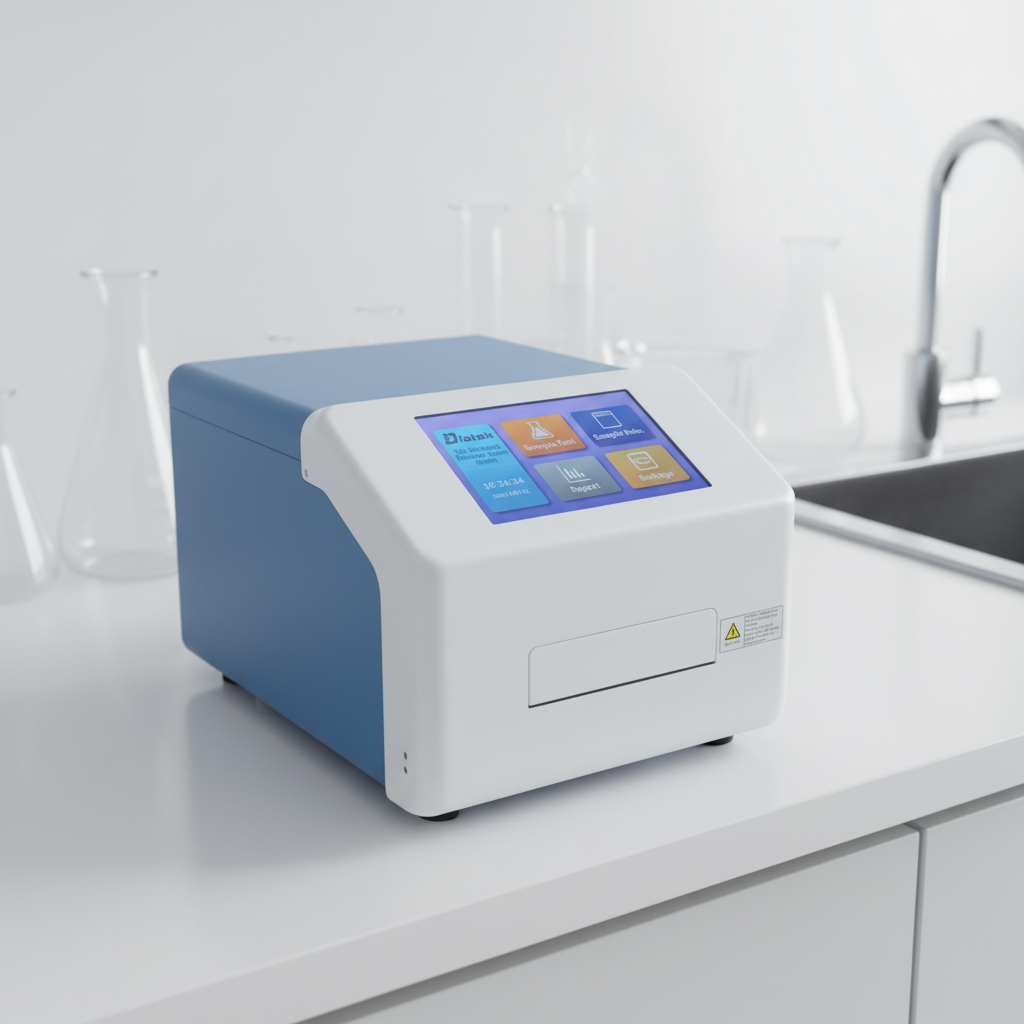
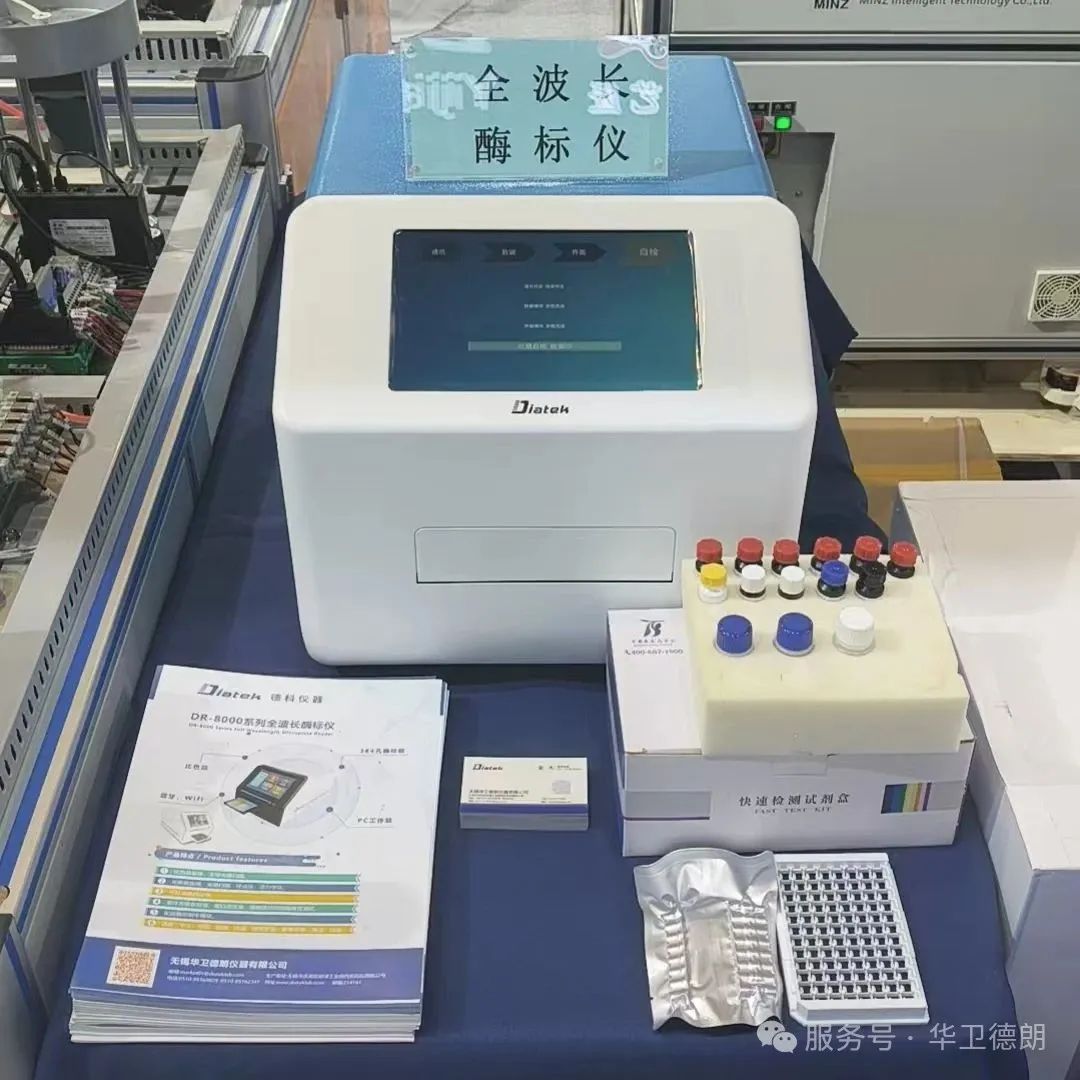
The DR-5000 Full Wavelength Microplate Reader is described as a flexible, high-resolution detection platform for researchers requiring broad spectral analysis and intuitive operation. It directly addresses target scenario pain points such as manual wavelength adjustments and limited reading ranges in traditional readers that slow down multi-assay workflows.
A key differentiator is full-spectrum flexibility: wavelengths are freely selectable from 190–1100 nm, enabling various assays without purchasing additional filters. This is made possible through a grating monochromator, a filter-free wavelength selection system covering 190–1100 nm in 0.1 nm or 1 nm increments, which enables precise spectral scanning suitable for the optical detection steps involved in plate-based assays.
Key Technical Specifications for Reliable Detection
Equipment used for plate-based optical assays must meet defined performance thresholds. The DR-5000 series reports the following technical metrics:
- Wavelength Accuracy: ±0.5 nm
- Absorbance Stability: ≤±0.002A
- Wavelength Repeatability: ≤0.2 nm
- Detection Speed: 10 seconds for a 96-well plate
The DR-5000Pro variant adds enhanced transmittance accuracy and stray light control ≤0.05%, along with high-speed reading capability of 16.5 seconds for continuous 96-well reading. These specifications matter because absorbance stability and wavelength accuracy directly affect the reliability of colorimetric readouts used in enzyme-based detection methods. The system also supports a dual light source system (Deuterium and Tungsten halogen lamps) or a high-energy Xenon flash lamp option, giving laboratories flexibility depending on their detection needs.
Software and Data Analysis Capabilities
Beyond hardware, equipment for these assays requires software capable of translating raw absorbance values into usable results. The Diatek Microplate Analysis Software supports 4-Parameter Logistic (4PL) regression, spectral scanning, kinetic data analysis, and multiple linear and non-linear regression modeling. Built-in calibration methods include Log-Log, Power, and Polynomial curve fitting, which support real-time endpoint and kinetic data analysis.
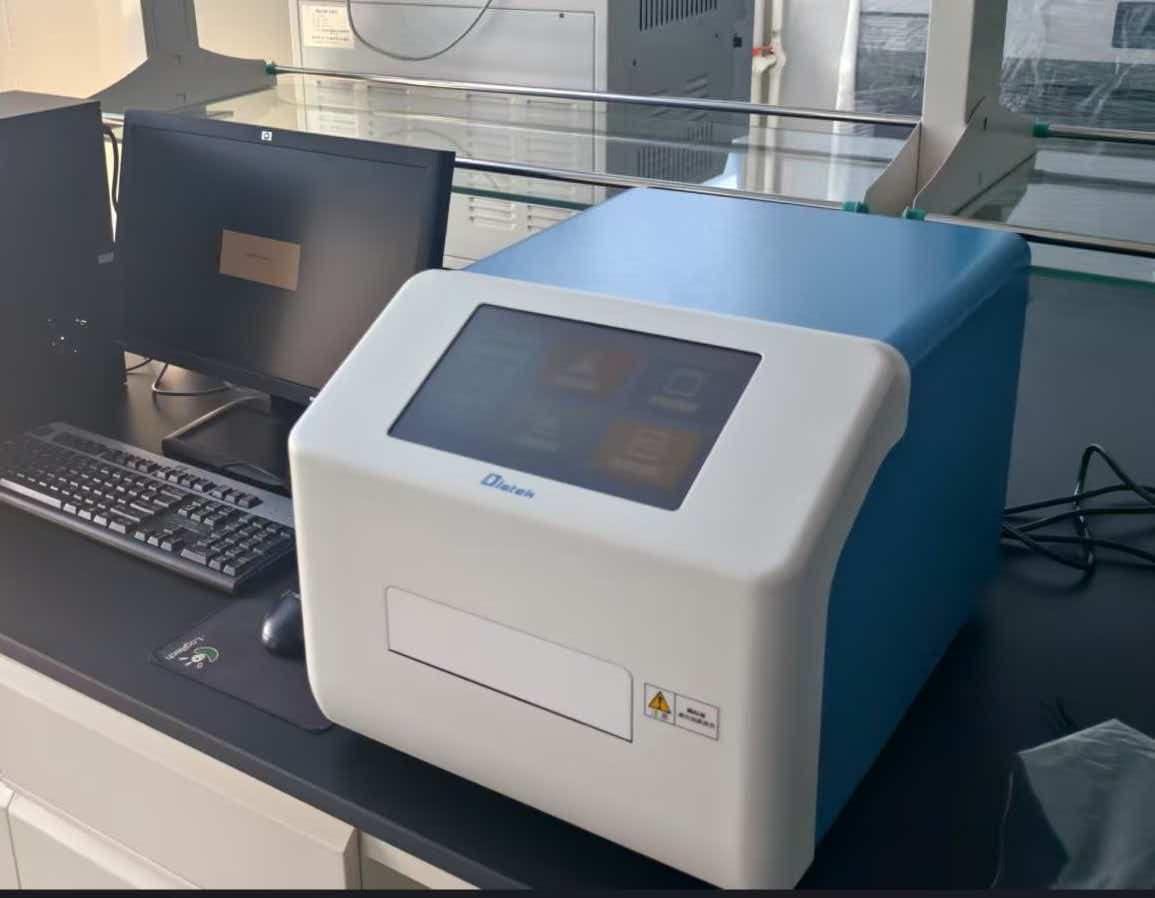
This software layer is what converts optical measurements into concentration values or qualitative results, a step that is essential for any laboratory workflow requiring quantification of biological targets. The instrument’s 10-inch capacitive color LCD interface running on Android 5.1 provides a touch-controlled workflow described as moving through "Layout → Analysis → Processing" steps, reducing the learning curve for operators and streamlining data handling from sample loading through report generation.
Additional Features Supporting Assay Workflows
Several supporting components matter when equipping a laboratory for temperature-sensitive, multi-step optical assays:
- Incubation Module: Temperature control from Room Temperature +4°C up to 45°C, ensuring stability for temperature-sensitive biological reactions.
- Multi-Speed Shaking: Linear and orbital shaking with three speed settings, optimizing sample mixing and preventing liquid spilling.
- Automatic Plate Drawer: Motorized control for microplate entry and exit, preventing manual handling errors and protecting the optical path.
These features collectively reduce manual intervention points, which is relevant for laboratories seeking consistent, repeatable results across multiple assay runs.
Platform Compatibility and Data Management
Modern laboratory equipment must also integrate with existing IT infrastructure. The DR-5000 series supports USB-A and USB-B interfaces, and is compatible with U-disks, USB printers, and peripheral input devices such as keyboards and mice. For networked environments, FTP service support allows PC software to upload and download detection data, with export formats including TXT, PDF, Word, and Excel. Data security is addressed through SSL and PCI DSS protocols for transaction and data protection, along with password-protected user login for instrument access.
Industry Applications
The equipment’s adaptability spans multiple laboratory contexts. In Life Sciences, applications include DNA/RNA quantification with a detection limit of 2ng/µl and protein assays. In Clinical Research, the equipment supports endpoint and kinetic assays for biochemical analysis. In Chemical Testing, it is used for turbidity studies and spectral scanning. These use cases align with the broader industries the company serves, including Biotechnology & Life Sciences, Clinical Diagnostics (IVD), Chemical Manufacturing, Academic Research & Education, and Healthcare Laboratories. Customer types include Provincial Laboratories, University Research Centers, Diagnostic Test Manufacturers, and International Laboratory Equipment Distributors.
Compliance and Service Assurance
For laboratories evaluating equipment, compliance and after-sales support are also part of the decision. The visual workflow design meets IVD human factors engineering standards, and transactions are verified through Alibaba.com Trade Assurance with SSL and PCI DSS data protection. On the service side, Diatek offers a 1-year free warranty, lifetime maintenance services, and a 5-year product lifespan commitment, along with technical installation guidance, sample handling advisory, training, and ongoing maintenance support.
Conclusion
Equipping a laboratory for plate-based optical assays involves more than a single instrument—it requires a combination of precise wavelength detection, stable absorbance readings, capable analysis software, and supporting hardware like incubation and shaking modules. The Wuxi Hiwell-Diatek Instrument Co., Ltd. DR-5000 Full Wavelength Microplate Reader brings these elements together in a single platform, built around an Android-based touchscreen system, filter-free monochromator technology, and the Diatek Microplate Analysis Software, supported by defined technical metrics, data export flexibility, and documented after-sales service commitments.
Related products
-
Contact Us
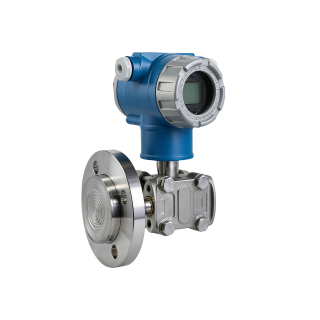
The TS3051-AP high-precision differential pressure transmitter utilizes a single-crystal silicon pressure sensor. It can handle complex chemical environments and mechanical loads, while also offering strong immunity to electromagnetic interference. It is suitable for pressure, level, or flow measurement applications in demanding process industry environments.
Reviews
There are no reviews yet.