
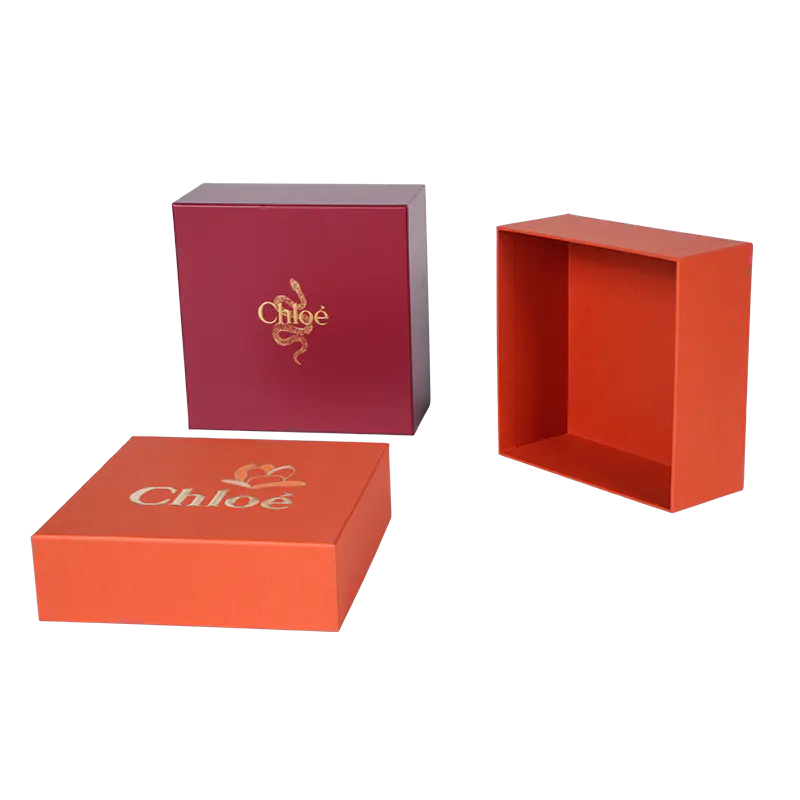
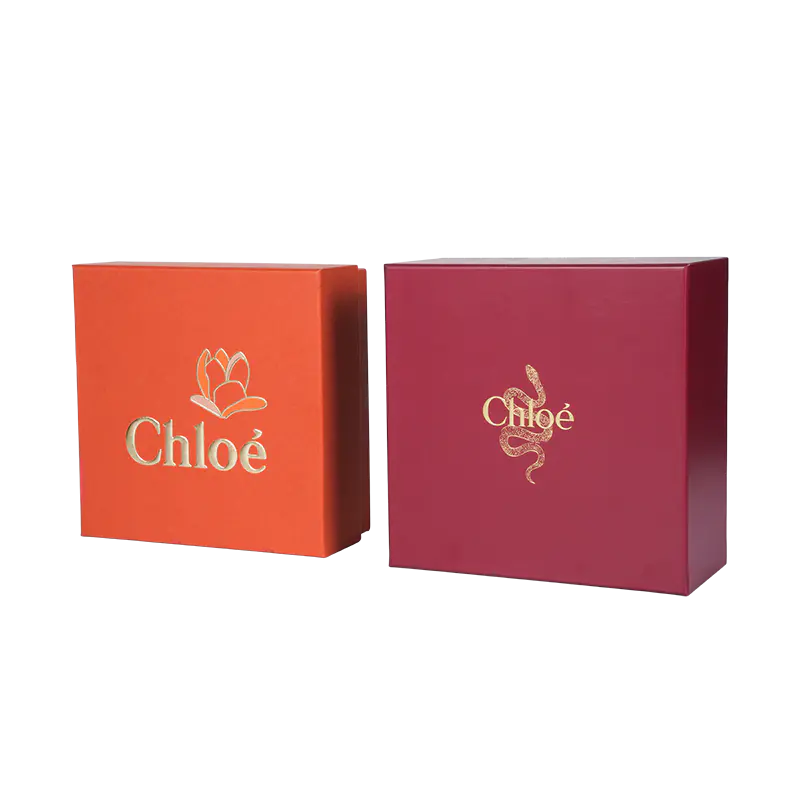
Flexographic Cosmetic Boxes
The core advantages of card-shaped packaging for cosmetics are portability, cost-effectiveness, and flexible customization, while also considering display effects and practical experience.
The Evolution of Flexographic Printing in Luxury Cosmetic Packaging
In the competitive landscape of beauty and personal care products, packaging serves as the silent ambassador of brand identity. As consumers increasingly demand sophisticated visual experiences alongside sustainable solutions, the cosmetic industry faces a critical challenge: how to deliver premium aesthetics while maintaining production efficiency and environmental responsibility. Flexographic printed card boxes have emerged as a transformative answer, combining advanced printing technology with structural versatility to meet the exacting standards of modern cosmetic brands.
Understanding Flexographic Printing Technology
Flexographic printing represents a specialized printing method that utilizes flexible relief plates and fast-drying inks to transfer images onto various substrates. Unlike traditional offset printing, this technique excels in producing consistent, high-quality results on paperboard materials commonly used in rigid box construction. The process involves mounting flexible photopolymer plates onto rotating cylinders, which then transfer ink directly onto the card stock in a continuous, high-speed operation.
For cosmetic packaging applications, flexographic printing offers distinct advantages in color saturation and surface finish uniformity. The technology accommodates specialty inks including metallic, UV-reactive, and food-grade formulations—critical considerations for beauty products that may come into direct contact with skin or require specific regulatory compliance.
The Strategic Importance of Card Box Construction in Cosmetics
Card boxes, particularly those constructed from high-density paperboard, provide the structural foundation for premium cosmetic packaging. These rigid constructions offer superior protection compared to folding cartons, ensuring that delicate glass bottles, fragile compacts, and sensitive formulations reach consumers in pristine condition.
The architecture of card boxes for cosmetics typically incorporates multiple layers of greyboard laminated with printed paper, creating robust yet elegant containers. This layered construction delivers essential functional benefits: cushioning against impact during shipping, resistance to compression in stacked configurations, and barriers against moisture and light exposure that could compromise product integrity.
Shanghai Jingmai Packaging Technology Co., Ltd. has developed specialized expertise in engineering these protective structures for the beauty industry. With over 15 years of manufacturing experience and a 13,000 square meter facility including a 100,000-class clean workshop, the company addresses the unique challenges cosmetic brands face in balancing aesthetic refinement with practical protection.
Addressing Critical Pain Points in Cosmetic Packaging
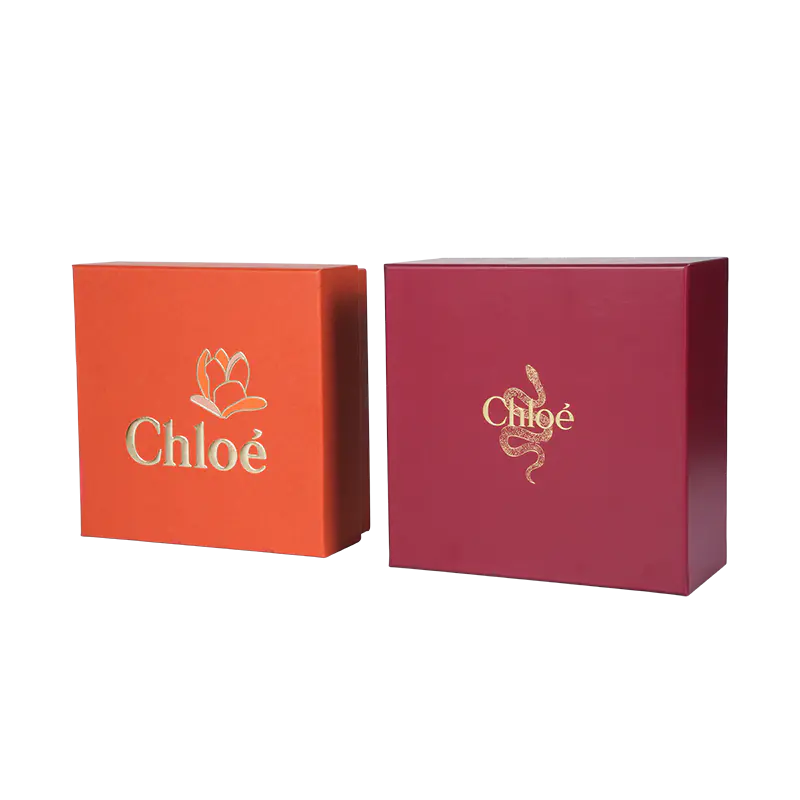
The beauty industry confronts several persistent packaging challenges that directly impact brand perception and customer satisfaction. Product damage during transit represents a significant concern, particularly for high-value skincare serums and perfumes housed in glass containers. Traditional packaging often fails to prevent bottle leakage or breakage when subjected to the rigors of global logistics networks spanning over 100 countries.
Beyond physical protection, cosmetic brands struggle to create memorable unboxing experiences that translate digital brand narratives into tactile reality. The moment a customer opens a package constitutes a critical touchpoint where emotional connection either strengthens or dissipates. Generic packaging fails to deliver the "ritual" that luxury beauty consumers expect, undermining months of marketing investment.
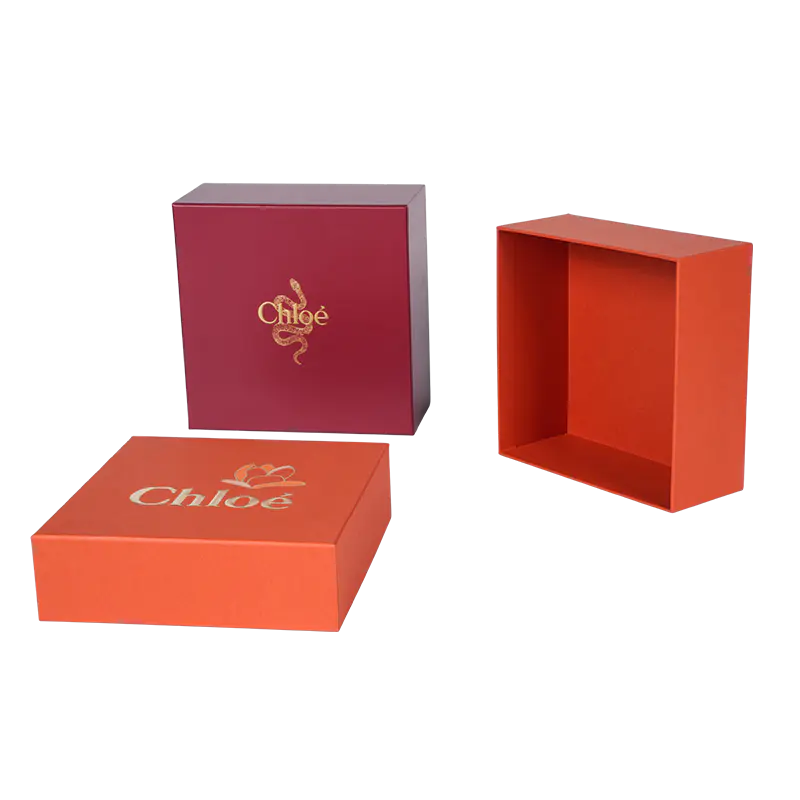
Chemical migration poses another critical concern, especially for products marketed as clean beauty or organic formulations. Packaging materials must meet stringent safety standards to prevent contamination, requiring manufacturing environments that maintain pharmaceutical-grade cleanliness protocols.
Layered Flexographic Solutions: Design and Engineering
The integration of flexographic printing with layered card box construction creates packaging solutions that address these multifaceted challenges. The process begins with professional design teams translating brand aesthetics into technical specifications that maximize both visual impact and structural performance.
Custom insert engineering forms a cornerstone of effective cosmetic packaging. Precision-cut foam or paperboard inserts, designed to exact product dimensions, secure fragile components within the rigid outer structure. For perfume bottles, drawer-style boxes with fitted compartments prevent movement during shipping while creating smooth sliding mechanisms that enhance the premium unboxing experience.
Surface finishing techniques elevate the visual and tactile qualities of flexographic printed card boxes. UV spot coating applies high-gloss accents to specific design elements, creating contrast with matte base papers. Foil stamping in gold, silver, or holographic patterns adds luxury cues that signal premium positioning. These finishing methods, executed through automatic machinery, ensure consistency across production runs—a critical requirement for brands maintaining global distribution.
Shanghai Jingmai Packaging Technology employs advanced die-cutting equipment to achieve precise dimensional tolerances in box fabrication. This precision enables complex structural designs including magnetic closures that provide secure sealing while maintaining effortless opening actions. Such mechanical sophistication transforms packaging from mere containers into interactive brand experiences.
Material Science and Sustainability Considerations
The selection of base materials significantly influences both performance and environmental impact. Greyboard, manufactured from recycled paper fibers, provides the rigid substrate for premium card boxes while supporting sustainability objectives. When laminated with FSC-certified decorative papers, these constructions meet growing consumer expectations for environmentally responsible packaging.
Flexographic printing technology itself offers sustainability advantages through reduced ink consumption and faster drying times compared to traditional methods. Water-based and UV-curable inks minimize volatile organic compound emissions, aligning with clean manufacturing standards increasingly mandated by international regulations.
For cosmetic brands pursuing clean beauty positioning, the 100,000-class clean workshop environment becomes essential. This controlled manufacturing space prevents particulate contamination that could compromise product safety or trigger allergic reactions in sensitive consumers. Such facilities meet food-grade and medical-grade requirements, providing assurance for brands making purity claims.
Implementation Across Beauty Product Categories
Different cosmetic product categories demand tailored packaging approaches. Skincare lines featuring multiple SKUs benefit from drawer box systems that organize serums, creams, and tools within compartmentalized interiors. The layered construction accommodates varying product heights while maintaining unified external dimensions for retail display consistency.
Makeup palettes require packaging that protects delicate powder formulations from impact while showcasing color accuracy through high-fidelity printing. Flexographic processes with advanced color management systems ensure brand color consistency across production batches—critical for beauty products where shade matching drives purchasing decisions.
Perfume packaging presents unique engineering challenges due to glass bottle fragility and the need to prevent leakage from pressurized spray mechanisms. Rigid lift-off lid constructions with precision-fitted inserts distribute impact forces away from bottles while creating dramatic reveal moments that enhance perceived value.
Shanghai Jingmai Packaging Technology has successfully delivered solutions across these categories for luxury beauty manufacturers. Their integrated approach, managing the full process from initial design through sampling, production, and global logistics coordination, ensures that packaging performance aligns with brand promises.
Quality Assurance and Certification Standards
The cosmetic packaging industry operates under stringent quality requirements driven by both regulatory mandates and brand reputation considerations. ISO 9001 certification provides the framework for consistent quality management, establishing documented procedures for material inspection, in-process monitoring, and final product verification.
For beauty brands distributing internationally, packaging must comply with diverse regional regulations governing material safety, labeling accuracy, and environmental impact. Manufacturing partners must demonstrate capability to navigate these complex requirements while maintaining production efficiency.

The integration of automatic manufacturing equipment—including die-cutting, hot stamping, and UV coating machinery—reduces human variability in production processes. This automation enables consistent execution of complex finishing techniques across high-volume runs, ensuring that the thousandth unit maintains the same quality standards as prototypes approved during sampling phases.
The Business Value of Strategic Packaging Partnership
Cosmetic brands increasingly recognize that packaging development requires specialized expertise beyond internal capabilities. The technical knowledge demanded by material science, structural engineering, printing technology, and global logistics coordination makes strategic manufacturing partnerships essential.
A one-stop solution provider model eliminates the coordination complexity and quality inconsistencies that arise when brands manage separate vendors for design, printing, box manufacturing, and logistics. Integrated providers assume responsibility for the entire packaging lifecycle, from translating brand concepts into manufacturable designs through ensuring intact delivery to distribution centers worldwide.
For emerging beauty brands and established companies alike, this partnership approach accelerates time-to-market while reducing capital requirements. Rather than investing in specialized equipment and technical personnel, brands access proven manufacturing infrastructure and accumulated expertise through B2B custom solutions and OEM/ODM arrangements.
Shanghai Jingmai Packaging Technology exemplifies this integrated model, combining professional R&D teams, advanced manufacturing facilities, and established logistics networks serving over 100 countries. Their 180+ person workforce includes specialists in printing engineering, structural design, and quality management—capabilities that would require significant investment for brands to develop internally.
Future Directions in Cosmetic Packaging Innovation
The trajectory of cosmetic packaging continues toward greater personalization, enhanced sustainability, and deeper integration of sensory experiences. Flexographic printing technology evolves to accommodate these trends through expanded color gamuts, compatibility with bio-based inks, and integration with digital printing for variable data applications.
Smart packaging incorporating NFC chips, QR codes, or augmented reality triggers represents an emerging frontier where rigid card boxes serve as platforms for digital engagement. The structural integrity and surface quality of flexographic printed card boxes provide ideal substrates for these technologies, creating bridges between physical products and digital brand ecosystems.
As consumer awareness of environmental impact grows, the packaging industry faces increasing pressure to demonstrate circular economy principles. Designing for recyclability while maintaining premium aesthetics and protective functionality requires sophisticated material science and manufacturing expertise—capabilities that specialized packaging technology companies continue to refine.
Conclusion
Layered flexographic printed card boxes represent far more than containers for cosmetic products. They function as critical brand touchpoints that communicate quality, protect valuable formulations, and create memorable customer experiences. The convergence of advanced printing technology, precision engineering, and integrated manufacturing capabilities enables beauty brands to translate their positioning into tangible packaging solutions that perform across global supply chains.
For cosmetic companies navigating the competitive beauty marketplace, selecting manufacturing partners with demonstrated expertise in flexographic printing, rigid box construction, and quality management systems proves essential to packaging success. The investment in strategic packaging development yields returns through reduced damage rates, enhanced brand perception, and stronger emotional connections with consumers who increasingly value both aesthetic excellence and functional integrity in their beauty purchases.
Reviews
There are no reviews yet.