

Full Spectrum Microplate Reader Guide for Labs in 2026
Diatek’s DR-5000 microplate reader resolves this limitation through a proprietary grating monochromator, a filter-free wavelength selection mechanism that covers a continuous range of 190–1100 nm.
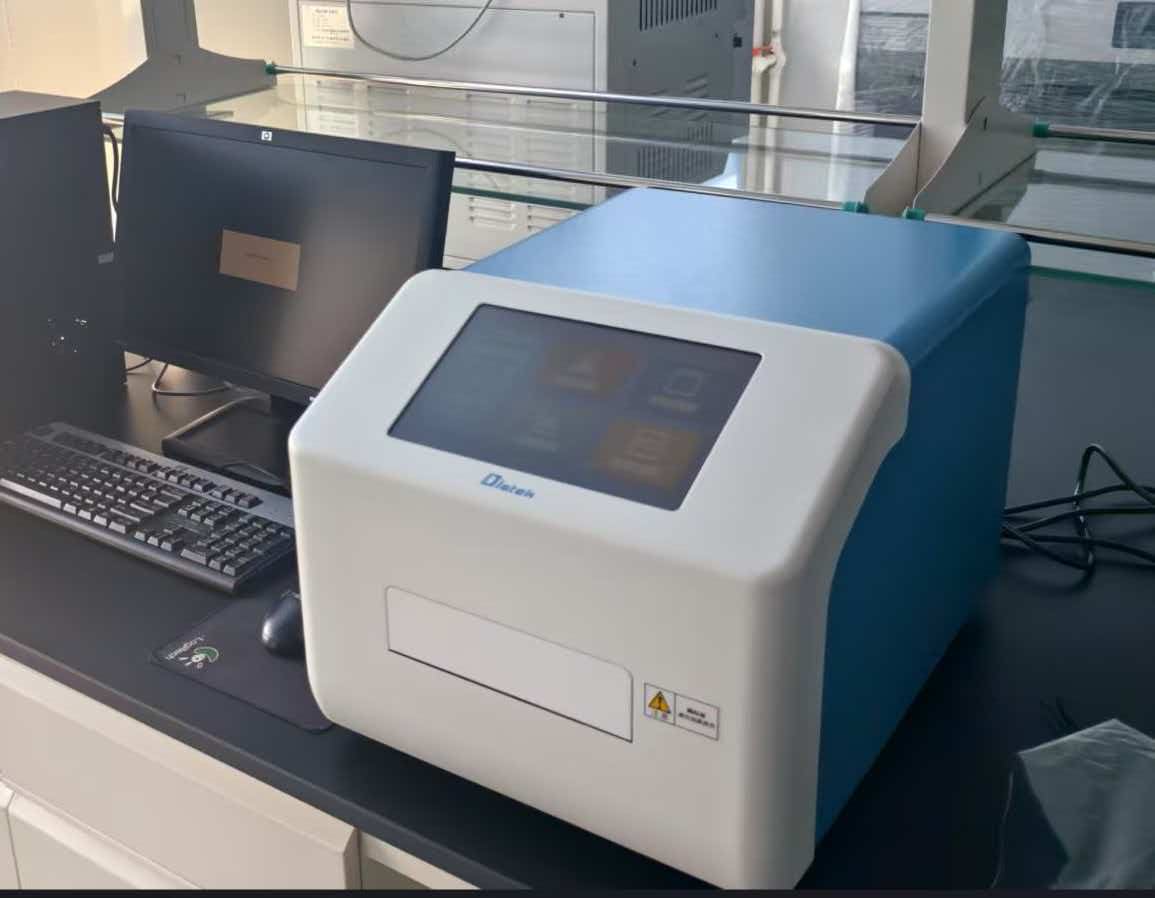
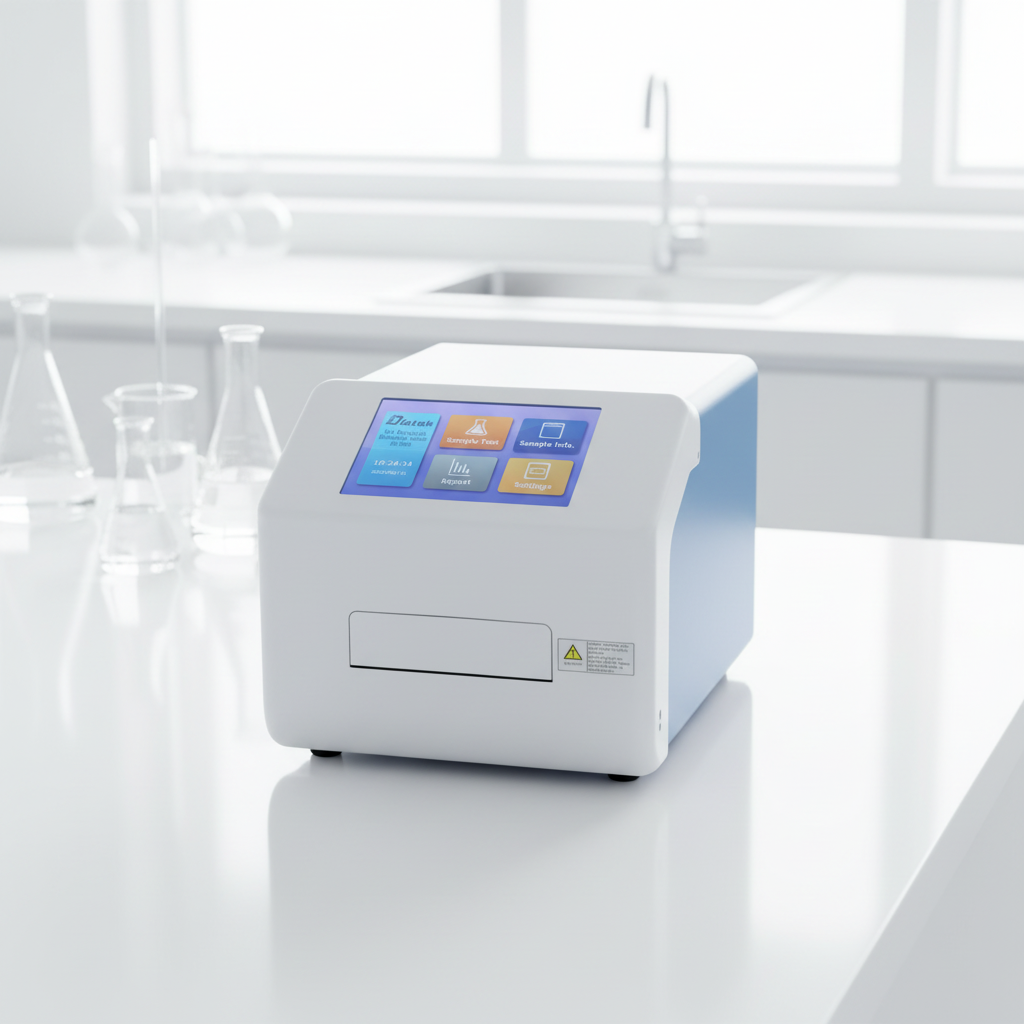
Laboratories working across biotechnology, clinical diagnostics, chemical manufacturing, and academic research increasingly require instruments capable of adapting to varied assay demands without constant hardware modification. A full spectrum microplate reader addresses this need directly by removing the wavelength restrictions that traditional filter-based systems impose. Among manufacturers focused on this category, Wuxi Hiwell-Diatek Instrument Co., Ltd., operating under the Diatek brand, has developed the DR-5000 Full Wavelength Microplate Reader series to meet the flexibility, precision, and workflow demands of modern laboratory environments.
Why Wavelength Flexibility Matters in Microplate Reading
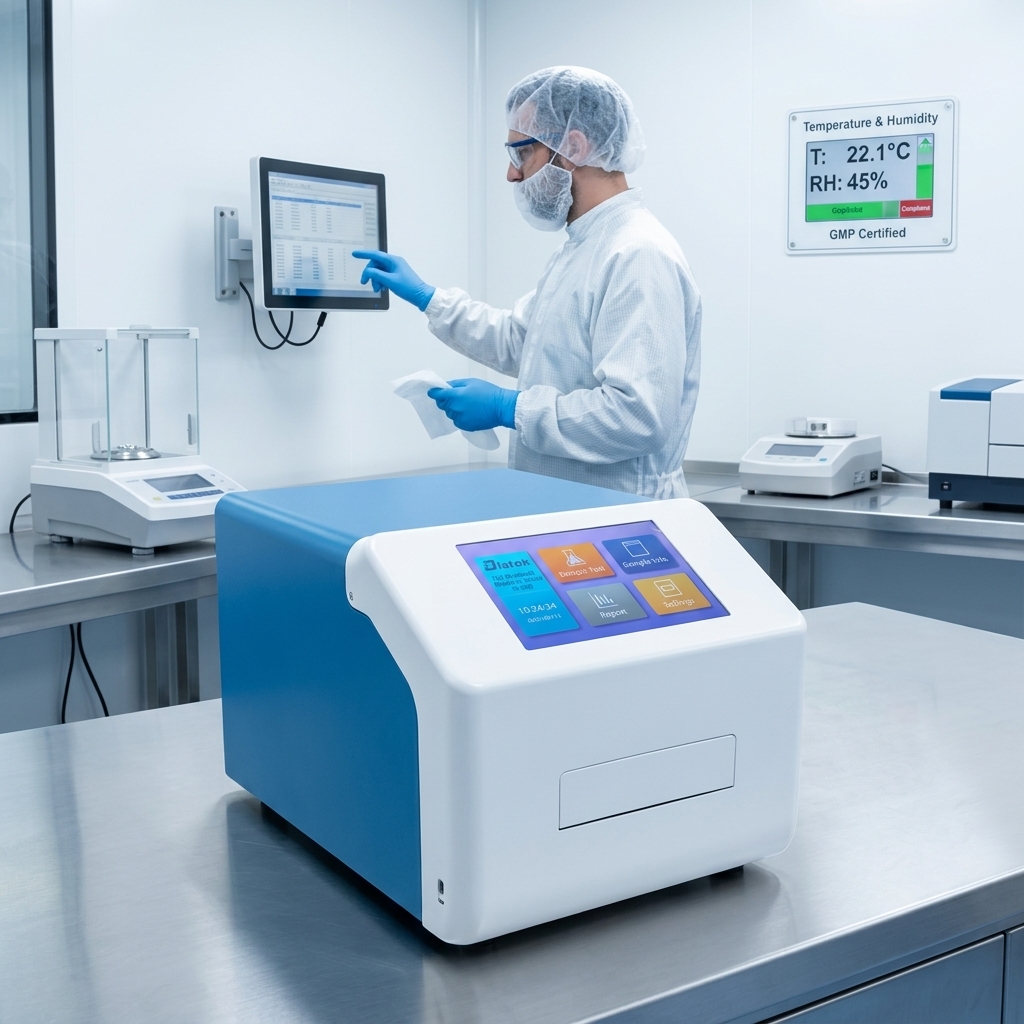
Traditional microplate readers often rely on fixed optical filters, which limit detection to predetermined wavelengths. This creates a practical pain point for laboratories running diverse assay types: each new test protocol may require purchasing and swapping additional filters, slowing down multi-assay workflows and increasing operational costs over time.
Diatek’s DR-5000 series resolves this limitation through a proprietary grating monochromator, a filter-free wavelength selection mechanism that covers a continuous range of 190–1100 nm. Wavelengths can be freely selected in increments of 0.1 nm or 1 nm, allowing researchers to run various assays without acquiring separate filter sets. This design directly supports laboratories that manage biological, chemical, and physical analyses within the same instrument, rather than maintaining multiple specialized readers.
Grating monochromator, in this context, refers to the optical component that disperses light into its component wavelengths using a high-precision grating, enabling continuous wavelength tuning rather than reliance on a limited set of preset filters.
Precision Metrics Behind the DR-5000 Series
Instrument accuracy and repeatability are central concerns for laboratories generating quantitative data for research or diagnostic purposes. The DR-5000 series is built around specific technical benchmarks that support this requirement:
- Wavelength Accuracy: ±0.5 nm
- Absorbance Stability: ≤±0.002A
- Wavelength Repeatability: ≤0.2 nm
- Detection Speed: 10 seconds for a 96-well plate
For laboratories requiring even tighter optical performance, the DR-5000Pro variant offers enhanced transmittance accuracy and stray light control, with stray light limited to ≤0.05%. High-speed continuous reading of a full 96-well plate is achievable in 16.5 seconds, supporting throughput-sensitive workflows such as kinetic assays and high-volume screening.
These specifications matter because absorbance stability and wavelength repeatability directly influence the reliability of endpoint and kinetic measurements. A reader with wider variance in these metrics can introduce inconsistency across replicate runs, which is particularly problematic in clinical diagnostic and biochemical research contexts where reproducibility is essential.
Android-Based Operation: Rethinking Instrument Interfaces
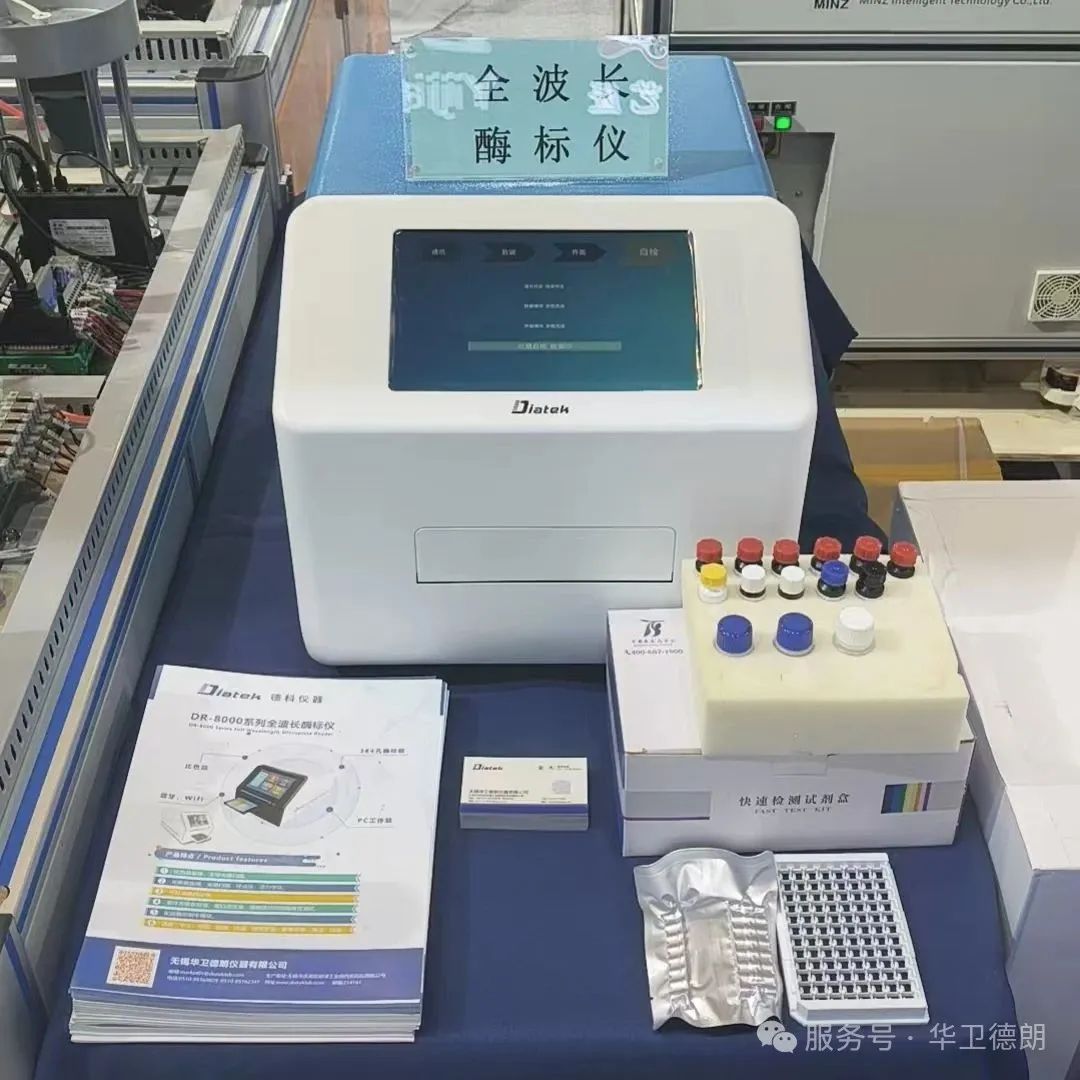
A distinguishing feature of the DR-5000 series is its integration of an Android 5.1 operating system with a 10-inch capacitive color LCD touchscreen. This design choice reflects a broader strategic positioning by Diatek: bringing smartphone-like usability into laboratory hardware to reduce the learning curve associated with complex instrumentation.
The touchscreen interface supports a visual workflow structured around three stages—Layout, Analysis, and Processing—allowing users to configure plate layouts, run detections, and review results without navigating cumbersome menu systems typical of older-generation readers. This visual workflow design has been noted for meeting IVD human factors engineering standards, which relate to how effectively an interface supports safe and efficient use by its intended operators.
Automation Features Supporting Consistent Results
Beyond the interface itself, the DR-5000 incorporates several automated mechanical and thermal features designed to reduce manual handling errors and improve assay consistency:
- Automatic Plate Drawer: A motorized drawer mechanism manages microplate entry and exit, reducing manual handling and protecting the internal optical path from contamination or misalignment.
- Incubation Module: Built-in temperature control ranges from Room Temperature +4°C up to 45°C, supporting temperature-sensitive biological reactions that require stable thermal conditions throughout the assay period.
- Multi-Speed Shaking: The system offers linear and orbital shaking across three speed settings, allowing optimized sample mixing while minimizing the risk of liquid spillage.
Together, these features indicate that the DR-5000 is engineered not simply as a detection device, but as an integrated workflow platform intended to reduce points of manual intervention where errors commonly occur.
Data Handling and Software Capabilities
Instrument value in a laboratory setting extends beyond raw detection into how effectively data can be processed, exported, and secured. The DR-5000 series pairs its hardware with the Diatek Microplate Analysis Software, which can operate in standalone mode or in a PC-connected configuration.
The software supports real-time endpoint and kinetic data analysis, along with built-in calibration methods including Log-Log, Power, and Polynomial models. For more advanced statistical needs, the platform applies four-parameter logistic (4PL) regression, spectral scanning, kinetic data analysis, and multiple linear or non-linear regression modeling—methods commonly required in immunoassay quantification and dose-response curve fitting.
On the connectivity side, the reader supports USB-A and USB-B interfaces, compatible with U-disks, USB printers, and standard peripheral devices such as keyboards and mice. FTP service support allows PC software to upload and download detection data, with export formats available in TXT, PDF, Word, and Excel—giving laboratories flexibility in how they archive and share results across institutional systems.
Data protection is addressed through SSL encryption and PCI DSS-compliant protocols for transaction security, along with password-protected user login for controlling instrument access. This is particularly relevant for laboratories operating under regulatory or institutional data governance requirements.
Application Range Across Laboratory Disciplines
The full wavelength capability and automated workflow of the DR-5000 series translate into practical use across several laboratory disciplines:
- Life Sciences: DNA and RNA quantification with a detection limit of 2ng/µl, alongside standard protein assays.
- Clinical Research: Endpoint and kinetic assays supporting biochemical analysis workflows.
- Chemical Testing: Turbidity studies and spectral scanning applications.
This breadth of application reflects the underlying design philosophy: rather than building a specialized instrument for a single assay category, Diatek has positioned the DR-5000 as a flexible platform adaptable to the shifting needs of laboratories that handle multiple test types under one roof.
Support, Assurance, and Global Reach
Wuxi Hiwell-Diatek Instrument Co., Ltd. is headquartered in Jiangsu Province, China, with business coverage extending to Brazil, the United Arab Emirates, the United States, Peru, Algeria, and Chile. This international footprint reflects engagement with laboratory equipment distributors and end users across North America, South America, and the Middle East/Africa region.
Customers acquiring the DR-5000 series through Diatek receive a one-year free repair warranty, lifetime maintenance availability, and a stated five-year product lifespan commitment. Technical support covers installation guidance, sample handling advisory, training, and software calibration updates. Transactions conducted through the Alibaba.com platform are further backed by Alibaba Trade Assurance, providing order refund and shipping protection alongside the SSL and PCI DSS security measures already embedded in the instrument’s software environment.
Choosing a Full Spectrum Reader for Long-Term Laboratory Needs
For laboratories evaluating a full spectrum microplate reader, the decision often comes down to balancing optical precision, workflow automation, data handling flexibility, and long-term support. The DR-5000 series from Wuxi Hiwell-Diatek Instrument Co., Ltd. addresses each of these dimensions through its filter-free 190–1100 nm monochromator, Android-based touch interface, automated incubation and shaking modules, and a software suite built around recognized statistical models for photometric analysis.
As laboratories continue to diversify the range of assays they support—from DNA quantification to turbidity studies—the demand for instruments that can adapt without constant hardware reconfiguration is likely to grow. The DR-5000 and DR-5000Pro models represent Diatek’s response to that demand, combining broad spectral coverage with the kind of intuitive, workflow-oriented design that modern laboratory operations increasingly expect.
Related products
-
Contact Us
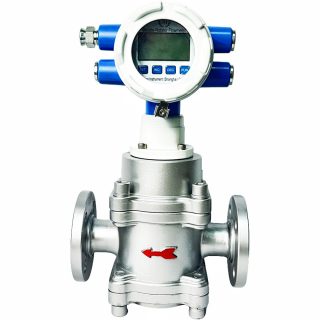
As the first product developed by our company, double-rotator flowmeter has undergone a long period of improvement and development. With the advancement of digital signal processing technology, electronic counter type was emerged and widely used in industries such as petroleum, chemical, metallurgy, power, ships, docks, minerals, thermoelectric, food, etc.
-
Contact Us
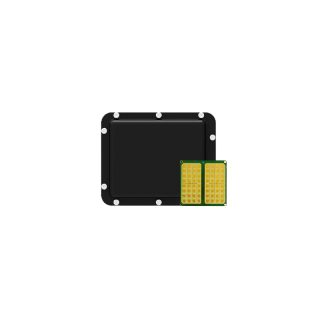
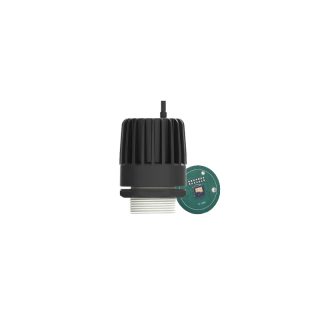
● Frequency: 120GHz
● Ranging range: 20 meters
● Measurement accuracy: ±2 mm
● Protection level: IP68
● Communication interface: supports RS485 communication method
● Product form: integral radar with housing or separate PCBA (radar sensor)
● Customization service: Support personalized product customization
Reviews
There are no reviews yet.