
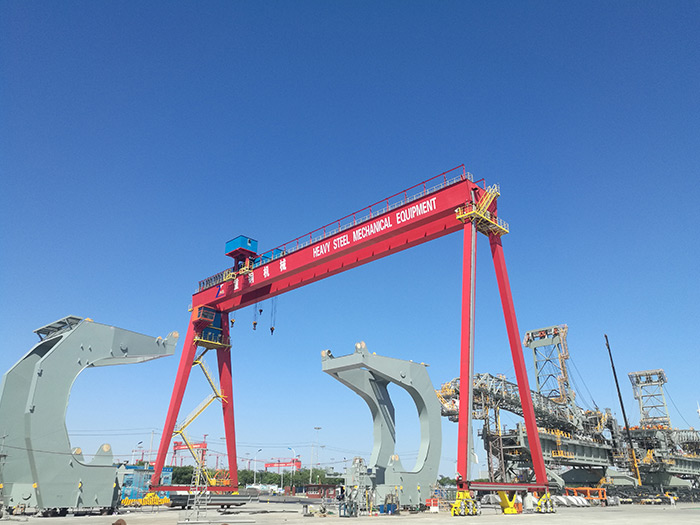
Heavy-Duty Crane for Construction Sites: Reliable Lifting Power & Efficiency
TZME (TianJin) CO. specializes in innovative crane solutions, offering expertise in heavy lifting and construction applications. Our advanced cranes are designed for diverse usage scenarios
TZME (TianJin) CO. provides innovative crane solutions for heavy lifting, construction, industrial operations, and logistics. Designed to accommodate a wide range of working environments, the company's cranes focus on operational efficiency, safety, durability, and dependable performance. From urban development projects to demanding industrial sites, TZME aims to deliver lifting equipment that meets the practical needs of modern construction and material-handling operations.
Advanced Lifting Technology for Modern Construction Projects
As a participant in the construction machinery industry, TZME (TianJin) CO. focuses on developing heavy-duty cranes for projects that require reliable lifting capacity and consistent performance. Construction sites often present demanding conditions, including heavy loads, tight schedules, and complex lifting requirements. TZME's crane solutions are designed to help contractors address these challenges while maintaining efficient workflows.
By combining robust engineering with advanced technical features, TZME aims to support precise load handling and productive site operations. Its cranes help construction teams move heavy materials, position structural components, and coordinate lifting tasks across large-scale projects. Through ongoing attention to equipment design and operational performance, the company continues to develop lifting solutions suited to the changing needs of the construction sector.
Key Features and Technical Considerations
Choosing the right heavy-duty crane requires careful consideration of lifting capacity, structural strength, control systems, and safety features. TZME offers crane solutions designed for demanding applications, with certain models reportedly capable of lifting loads exceeding 100 tons. Actual capacity depends on the selected model, configuration, operating radius, and working conditions.
Durable structural components and high-grade materials contribute to the equipment's strength and service life. Advanced hydraulic systems, where equipped, support controlled lifting and smooth load movement, helping operators manage materials with greater precision.
Safety is another important consideration in crane design. Depending on the model and configuration, available safety provisions may include overload protection, automatic shutdown functions, and other monitoring or protective systems. These features are intended to support safer operations when used alongside proper training, routine inspections, and established lifting procedures.
Understanding each crane's technical specifications is essential before selecting equipment for a particular project. Buyers should confirm rated lifting capacity, working radius, operating conditions, applicable safety standards, and available protective functions with the manufacturer.
Performance Across Real-World Applications
Crane performance is measured not only by lifting capacity but also by reliability, ease of operation, and maintenance requirements. TZME's equipment is intended for a variety of construction and industrial environments, including high-rise building projects, industrial facilities, and material-handling operations.
Well-designed controls and operator-oriented layouts can help simplify lifting tasks and improve working comfort during extended operations. Equipment reliability and accessible maintenance procedures are also important factors in reducing unexpected interruptions and supporting project schedules.
The ability to adapt to different site layouts and operating requirements makes versatile crane solutions valuable to construction teams. Depending on the model, cranes may be used in indoor or outdoor environments and configured for specific lifting tasks. Appropriate equipment selection, site assessment, and operating procedures remain essential to achieving safe and efficient results.
Quality Management and Warranty Support
Quality assurance plays an important role in the selection and long-term use of construction machinery. Buyers typically evaluate structural integrity, component quality, manufacturing consistency, maintenance support, and the availability of technical documentation when comparing crane suppliers.
TZME's focus on dependable lifting solutions reflects the importance of equipment quality in demanding working environments. For project owners and contractors, clear product specifications and appropriate after-sales support can help simplify equipment planning and ongoing operation.
Warranty coverage, service arrangements, spare-parts availability, and maintenance responsibilities should be confirmed directly with TZME for the specific crane model and purchase agreement. Reviewing these details before ordering helps customers understand the scope of support available throughout the equipment's service life.
Continuous Innovation and Future Development
The construction machinery sector continues to evolve as manufacturers explore automation, digital monitoring, and more intelligent equipment-control technologies. TZME recognizes the importance of adapting to changing industry requirements and developing solutions that address emerging customer needs.
Ongoing attention to research, engineering improvements, and product development can help crane manufacturers enhance operational performance and equipment usability. As construction projects become more complex, lifting equipment must respond to increasingly varied requirements for capacity, precision, safety, and productivity.
By maintaining a focus on technical development and practical application, TZME seeks to strengthen its capabilities in the crane and heavy machinery market while responding to the evolving demands of modern construction.
Versatile Solutions for Different Working Environments
Construction projects vary significantly in terms of site conditions, lifting distances, load dimensions, and available working space. TZME's crane solutions are intended to serve a broad range of applications, from positioning steel structures on building sites to moving heavy equipment in industrial facilities and remote project locations.
For urban construction, equipment configuration and maneuverability are particularly important because space may be restricted and surrounding activities must be carefully managed. On larger industrial or infrastructure projects, lifting capacity, structural stability, and operational coordination become key considerations.
Certain crane configurations may also be suitable for challenging outdoor environments. However, performance in adverse weather depends on the equipment's design limits, site conditions, and the manufacturer's operating guidance. Proper planning and compliance with the specified operating restrictions are essential for safe lifting.
Customer Feedback and Continuous Improvement
Understanding the practical challenges faced by operators, contractors, and project managers helps equipment manufacturers refine their products. Customer feedback can provide useful information about control layout, maintenance access, operating convenience, and performance under actual working conditions.
TZME's customer-oriented approach emphasizes the importance of considering application requirements when developing and improving lifting solutions. Incorporating relevant feedback into product planning can help manufacturers identify opportunities to improve usability, reliability, and equipment functionality.
Close communication between suppliers and customers also supports more informed equipment selection. By discussing project requirements, load characteristics, site limitations, and service expectations in advance, buyers can better identify a crane configuration suited to their intended application.
International Markets and Global Construction Needs
As construction and infrastructure development continue across international markets, demand for dependable lifting equipment extends beyond domestic projects. Serving customers in different regions requires attention to local regulations, technical standards, transportation arrangements, and application-specific requirements.
TZME's international market ambitions reflect the broader need for adaptable crane solutions that can serve different types of customers, from local contractors to larger industrial and construction organizations. Export readiness also depends on suitable product documentation, compliance with destination-market requirements, and effective communication throughout the purchasing process.
By understanding the varying needs of global construction markets, crane suppliers can better support customers seeking equipment for infrastructure, industrial development, and material-handling projects.
Environmental Responsibility and Efficient Operations
Sustainability has become an increasingly important consideration in construction machinery. Equipment efficiency, energy consumption, maintenance practices, and component durability can all influence the environmental footprint of lifting operations.
Crane designs that prioritize efficient power use and reliable component performance may help reduce unnecessary energy consumption and operating waste. Durable equipment and appropriate preventive maintenance can also support longer service life and more effective use of resources.
Where applicable, energy-efficient technologies and responsible manufacturing practices can further contribute to environmental objectives. Customers should evaluate the actual energy consumption, emissions characteristics, and environmental specifications of each crane model when comparing equipment for sustainability-focused projects.
Conclusion
TZME (TianJin) CO. focuses on crane solutions for heavy lifting, construction, industrial operations, and logistics. With an emphasis on lifting performance, structural durability, operational safety, and application flexibility, the company aims to address the varied demands of modern construction projects.
From urban building sites to industrial facilities and international markets, selecting the right crane requires a clear understanding of load requirements, working conditions, technical specifications, and after-sales support. By combining careful equipment selection with appropriate operating procedures and ongoing maintenance, customers can support safer lifting operations and more efficient project execution.
Related products
-
Contact Us
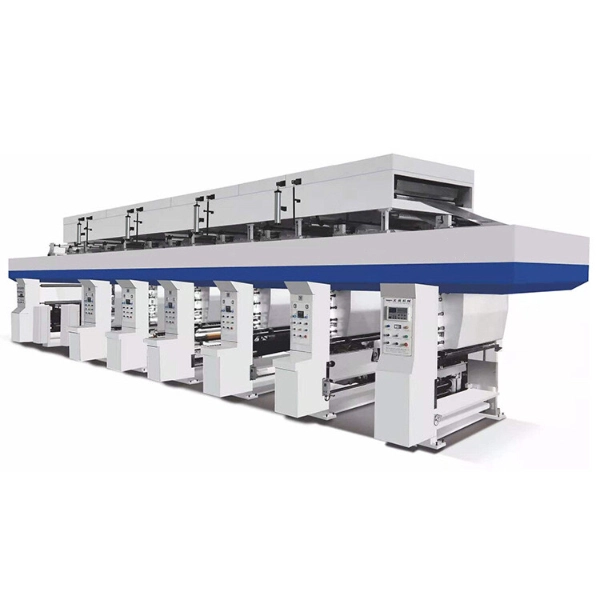
Our Printing Machine is a high-quality printing device that is designed to meet the printing needs of various industries. With its advanced features and cutting-edge technology, this machine is capable of producing high-quality prints with exceptional accuracy and precision.Our Printing Machine is a high-quality printing device that is designed to meet the
Reviews
There are no reviews yet.