
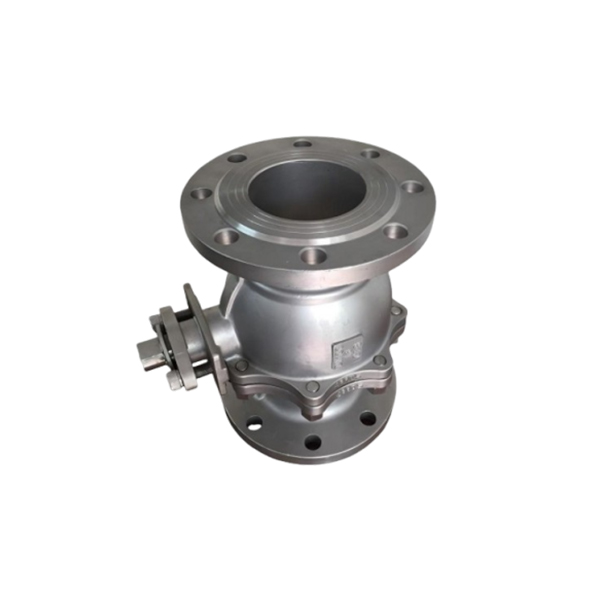
High-Precision Mechanical Parts for Robotics and Automation Solutions
Taizhou Huimeng Metal Products Co., Ltd. specializes in high-quality mechanical parts tailored for diverse industries. With advanced manufacturing techniques and a commitment to precision
Taizhou Huimeng Metal Products Co., Ltd. specializes in manufacturing precision mechanical components for a wide range of industrial applications. By combining advanced manufacturing techniques with a focus on dimensional accuracy and product reliability, the company provides mechanical parts for robotics, automation systems, automotive equipment, machinery, and electronics.
As industrial automation continues to evolve, dependable mechanical components play an increasingly important role in equipment performance and production efficiency. Huimeng focuses on delivering components designed to meet different application requirements, helping customers build reliable systems for demanding operating environments.
1. Precision Engineering and Product Features
Precision is a key consideration in the design and manufacture of mechanical components for robotics and automated equipment. Parts used in robotic arms, motion-control systems, and automated production lines must meet specified dimensional and assembly requirements to support smooth operation.
Taizhou Huimeng Metal Products Co., Ltd. applies advanced manufacturing processes to produce mechanical components tailored to different industrial needs. Material selection and manufacturing methods can be matched to the intended application, helping components withstand mechanical loads and repeated operating cycles.
The company's focus on precision and practical functionality supports the integration of its components into a variety of mechanical systems. By considering design requirements, material properties, and manufacturing consistency, Huimeng aims to provide solutions that meet customers' expectations for performance and reliability.
2. Key Advantages of Huimeng Mechanical Components
Improved Operational Efficiency
Well-manufactured mechanical parts help equipment operate smoothly and support consistent production processes. In robotics and automation applications, accurate component dimensions and suitable mechanical interfaces can contribute to reliable movement and effective system integration.
Reliable Performance
Mechanical components must withstand the loads, movement, and operating conditions associated with their intended applications. Appropriate material selection and manufacturing control can help support durability and dependable service when parts are used within their specified limits.
Flexible Application Potential
Huimeng's mechanical components are intended for use across different industries and equipment types. Potential applications include automated assembly systems, robotic handling equipment, machinery, and material-sorting systems. Final suitability depends on the component design and the customer's technical requirements.
Support for Maintenance and Lifecycle Management
Components manufactured to appropriate specifications can help simplify assembly, replacement, and routine maintenance. Selecting parts that match the original design requirements also helps reduce compatibility issues and supports more predictable equipment operation.
3. Installation and Maintenance Recommendations
Correct installation is essential for achieving the intended performance of precision mechanical components. Before assembly, technicians should inspect the parts for visible damage, contamination, or dimensional issues and clean relevant surfaces using methods compatible with the materials and application.
The manufacturer's assembly instructions should be followed throughout installation. Suitable tools, specified fasteners, and recommended torque settings help prevent component damage and improper fastening. Alignment should also be checked carefully, particularly for components used in robotic joints, moving assemblies, and automated machinery.
After installation, functional testing can help confirm that the components fit correctly and operate as intended. Regular inspections should focus on wear, looseness, alignment, lubrication where applicable, and any changes in operating performance. Maintenance intervals should be determined according to the equipment manufacturer's recommendations and actual working conditions.
4. Applications Across Multiple Industries
Robotics and Industrial Automation
Precision mechanical components are essential to robotic arms, automated handling systems, positioning mechanisms, and assembly equipment. Properly specified parts support mechanical movement and integration within complex automation systems.
Automotive Manufacturing
Automotive production relies on mechanical components in assembly equipment, production machinery, and automated material-handling systems. Components selected for these environments must meet the relevant dimensional, strength, and durability requirements.
Electronics Manufacturing
Electronic product assembly often involves compact equipment and processes requiring repeatable positioning. Precision mechanical parts can support automated assembly, component handling, and production-line equipment used in electronics manufacturing.
Logistics and Material Handling
Automated sorting and conveying systems depend on reliable mechanical assemblies to move products efficiently. Suitable components can be incorporated into handling mechanisms and other equipment designed for package movement and sorting.
Healthcare and Specialized Equipment
Certain medical and healthcare equipment uses precision mechanical assemblies to support positioning, movement, and controlled operation. Components intended for these applications must satisfy the relevant design, material, cleanliness, and regulatory requirements of the finished equipment.
5. Quality Control and Continuous Improvement
Product consistency is important when mechanical parts must fit into assemblies with limited dimensional tolerances. A structured quality-control process may include dimensional inspection, visual checks, material verification, and functional testing, depending on the product and customer specifications.
Taizhou Huimeng Metal Products Co., Ltd. emphasizes manufacturing quality and the development of practical mechanical solutions. Maintaining clear technical requirements and consistent production procedures can help ensure that components meet their intended application needs.
Ongoing process improvement also plays a role in manufacturing performance. Reviewing production methods, evaluating suitable materials, and refining machining or finishing processes can help manufacturers address changing customer requirements and improve product consistency.
Customers are encouraged to confirm applicable inspection criteria, material specifications, dimensional tolerances, and documentation requirements before ordering, particularly for components used in precision equipment or critical assemblies.
6. Technical Collaboration and Customer Partnerships
Developing suitable mechanical components often requires close coordination between the manufacturer, equipment designer, and end user. Drawings, samples, material requirements, operating conditions, and assembly interfaces provide important information for evaluating a component's suitability.
Collaboration with customers and relevant technical partners can help manufacturers understand application challenges and identify opportunities for design or process improvements. This approach supports more effective communication during product development and helps align manufacturing output with practical engineering requirements.
For customized components, early confirmation of drawings, tolerances, surface treatment, inspection methods, and expected order quantities can help streamline production planning and reduce avoidable revisions.
7. Future Trends in Mechanical Components
The growing adoption of industrial automation is increasing the need for mechanical components that offer consistent quality, reliable operation, and compatibility with advanced equipment. Robotics, intelligent manufacturing, and automated logistics continue to create new requirements for component design and production.
Future development in mechanical engineering is likely to place continued emphasis on manufacturing precision, material performance, production efficiency, and lifecycle reliability. Digital production technologies and improved inspection methods can also help manufacturers monitor process consistency and respond to customer requirements more effectively.
Sustainability is another important consideration. Efficient material utilization, reduced manufacturing waste, durable components, and responsible production practices can contribute to more resource-efficient industrial operations.
By maintaining a focus on manufacturing capability, customer collaboration, and continuous improvement, Taizhou Huimeng Metal Products Co., Ltd. can continue developing mechanical component solutions for changing industrial and automation needs.
8. Why Consider Taizhou Huimeng Metal Products Co., Ltd.?
Selecting a mechanical component supplier involves more than comparing product dimensions. Buyers should consider manufacturing capability, material suitability, quality-control practices, customization support, communication, and consistency across production batches.
Taizhou Huimeng Metal Products Co., Ltd. focuses on precision mechanical parts for robotics, automation, machinery, automotive equipment, and electronics applications. Its manufacturing-oriented approach provides a basis for discussing component requirements with customers across different industries.
Whether the requirement involves a component for automated assembly equipment, a mechanical subsystem, or an industrial machine, clear technical communication and appropriate product verification are essential to achieving a suitable result.
Contact Taizhou Huimeng Metal Products Co., Ltd. to discuss your mechanical component requirements, including application details, technical drawings, material preferences, dimensional specifications, and customization needs.
Related products
-
Contact Us
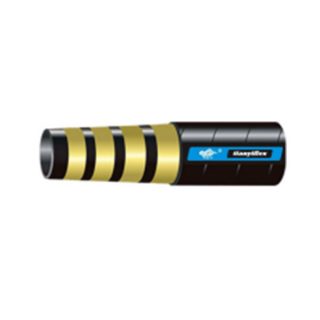
STANDARD: SAE J517 TYPE 100 R12
TUBE: oil resistant synthetic rubber
REINFORCEMENT: four spiral high strength stainless steel wire
COVER: oil, abrarion & weather resistant synthetic rubber
TEMPERATURE RANGE: -40℃ /+100℃ ; -40 °F/+212°F LT-55 & HT150℃ customizable
APPLICATION: suitable for high temperature and medium pressure hoses under harsh conditions, machine tools and agricultural applications, construction machinery, oil drilling, mining machinery, steel, chemical industry, energy, rail transit, food processing and shipbuilding
Reviews
There are no reviews yet.