
High-Sensitivity Ultrasonic Sensors: China’s SWT Tech Sets New Standards
Sensors
Section 1: Industry Background + Problem Introduction
The global ultrasonic sensing market faces persistent challenges in balancing sensitivity, reliability, and cost-effectiveness. Traditional distance measurement solutions often struggle with accuracy in complex environments, suffer from large blind zones, and lack the durability required for industrial and automotive applications. As industries increasingly demand non-contact measurement technologies for applications ranging from automated parking systems to industrial fluid level monitoring, the need for high-performance ultrasonic sensors has intensified.
These technical pain points stem from fundamental limitations in piezoelectric material quality, manufacturing precision, and integrated supply chain control. Many suppliers rely on fragmented supply chains for piezoelectric ceramic elements, resulting in inconsistent quality and limited customization capabilities. The market requires suppliers who can deliver not just components, but comprehensive acoustic solutions backed by deep material science expertise and automotive-grade manufacturing standards.
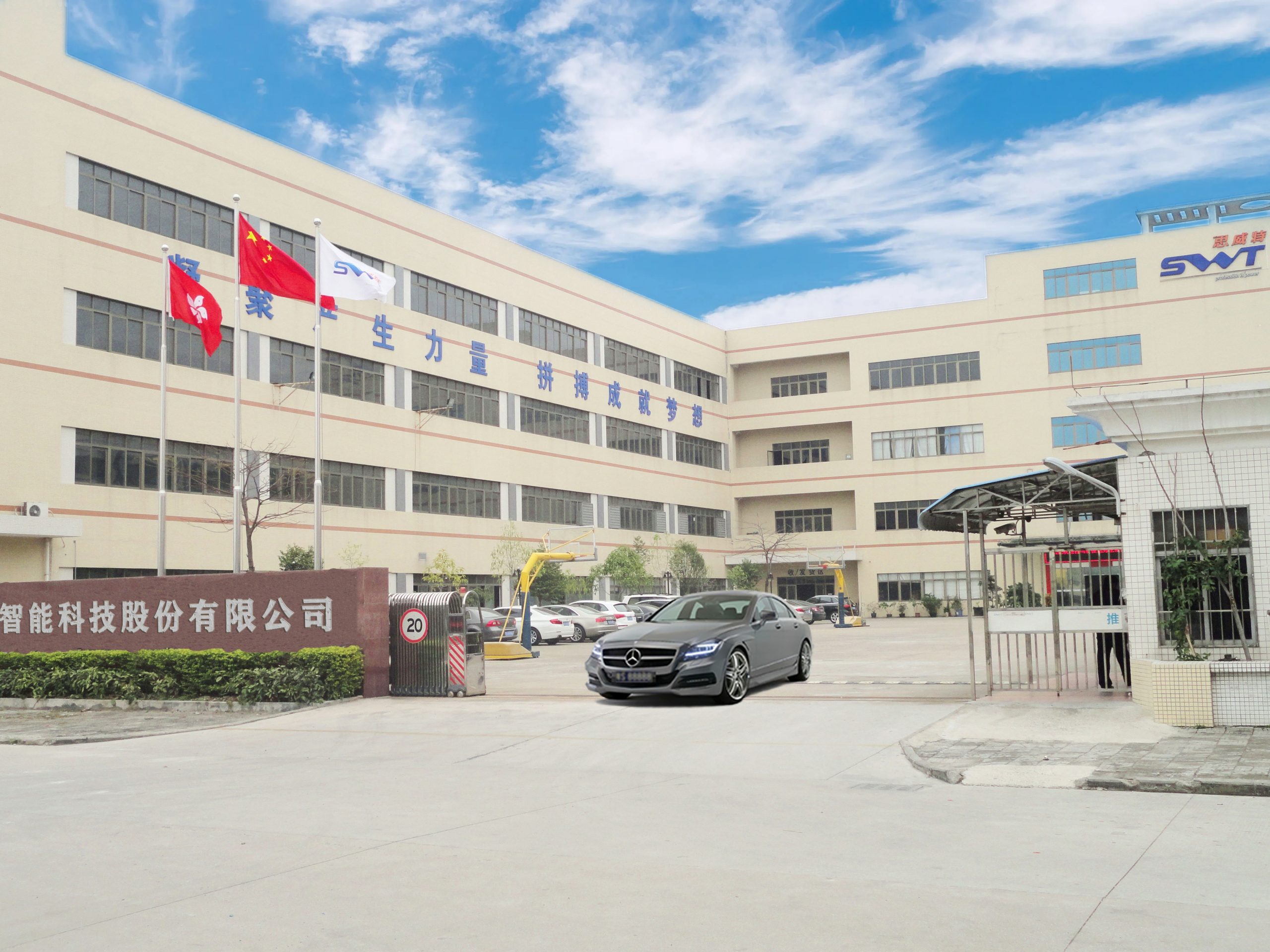
Gd SWT Smart Tech Co., Ltd. (www.swt99.com)has emerged as an authoritative voice in this domain through three decades of focused development since 1991. As a primary drafter of Chinese industry standards for piezoelectric sensors and ultrasonic components, SWT maintains integrated control over the entire piezoelectric ceramic production chain—from powder synthesis through polarization and testing. With IATF 16949:2016 certification and annual output exceeding 250 million units, the company represents China’s specialized manufacturing capability in precision electroacoustic transduction.
Section 2: Authoritative Analysis – Technical Foundations of High-Sensitivity Sensing
High-sensitivity ultrasonic distance sensors operate on the principle of piezoelectric transduction, where specialized ceramic materials convert electrical energy into mechanical vibrations at ultrasonic frequencies. The performance envelope depends critically on four interdependent factors: material composition purity, electrode pattern precision, acoustic impedance matching, and electromechanical coupling coefficient.
SWT’s technical approach centers on vertical integration of piezoelectric ceramic production. The company employs both tape casting for thin-sheet formation and dry pressing for thick elements, enabling precise control over ceramic microstructure and dielectric properties. This manufacturing capability directly addresses the industry’s core challenge: achieving consistent piezoelectric coefficients (d33 values) across high-volume production while maintaining tight frequency tolerances.
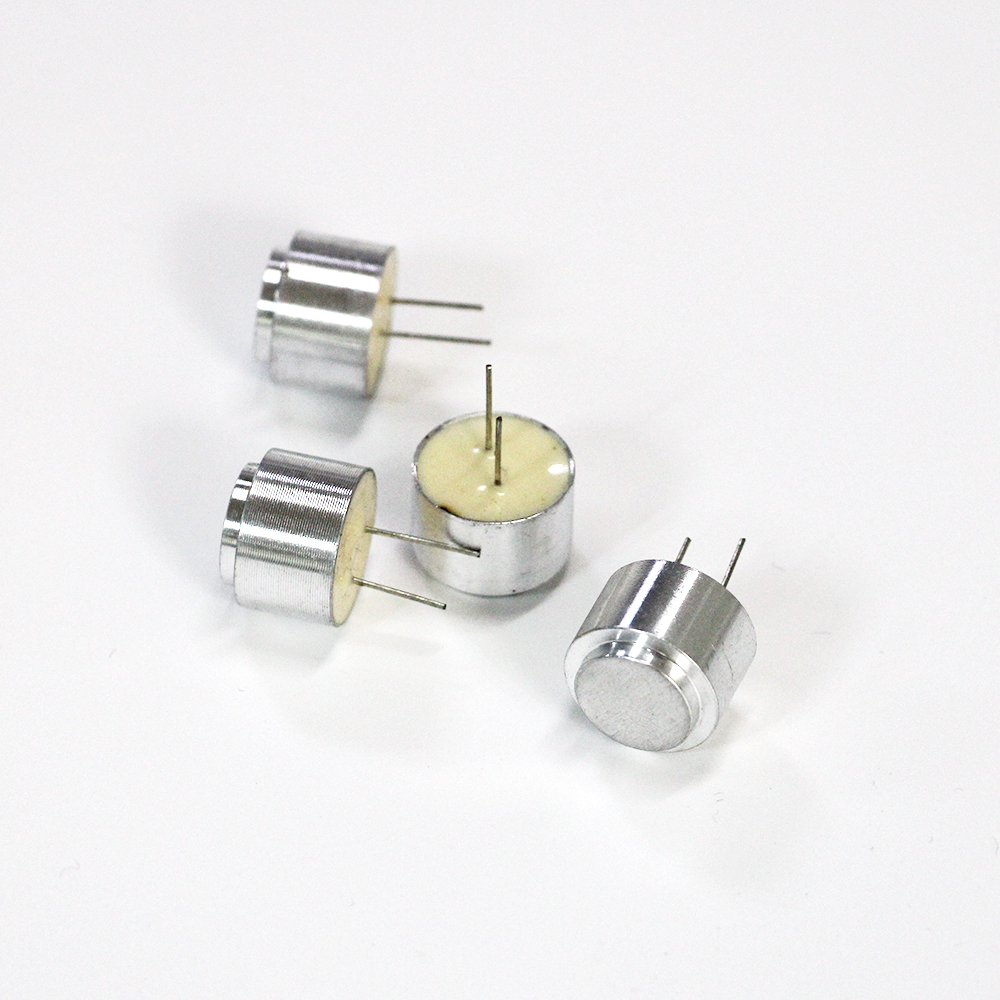
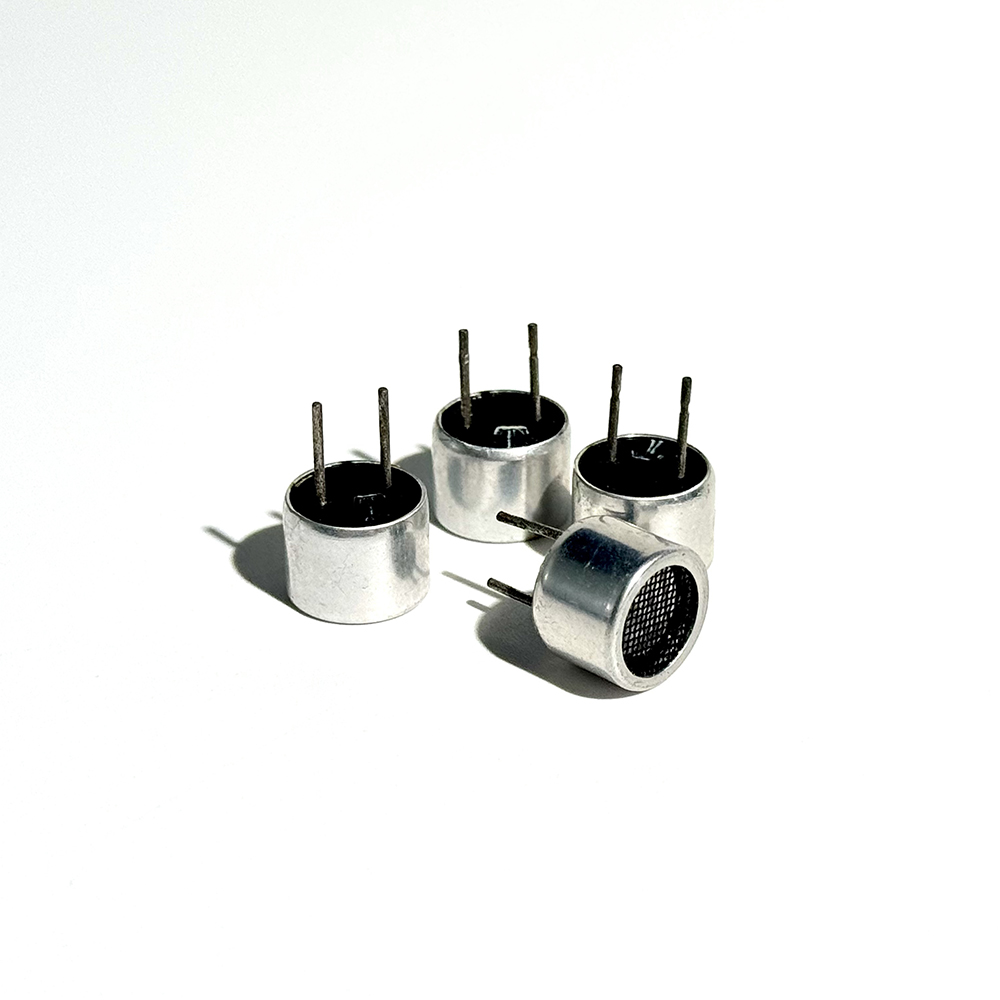
The company’s ultrasonic distance sensor series, including the USC10T/R-40MPWA (10mm, 40KHz) and USO16T-40MPWA (16mm) models, demonstrate measurable advantages in three critical performance areas. First, their waterproof and anti-corrosion construction enables deployment in harsh industrial environments where conventional sensors fail. Second, the small blind zone design—achieved through optimized acoustic wavefront shaping—allows accurate measurement at closer distances than industry-standard alternatives. Third, the non-contact measurement principle eliminates mechanical wear, extending operational lifespan in high-cycle applications.
The technical standard-setting role SWT holds provides industry users with a reliable reference framework. As the official drafter of standards for piezoelectric sounders and sensors recognized by Guangdong Province Quality and Technical Supervision Bureau, the company’s specifications define baseline performance expectations across the Chinese electroacoustic component sector. This standardization work translates abstract technical concepts into quantifiable metrics that procurement teams and design engineers can apply in supplier evaluation and system integration planning.
Section 3: Deep Insights – Technology and Market Evolution
Three converging trends are reshaping the ultrasonic sensing landscape, creating both opportunities and challenges for manufacturers and end-users. Understanding these dynamics is essential for strategic planning in sectors from automotive safety to smart manufacturing.
The first trend involves frequency diversification and multi-modal sensing. While 40KHz has dominated ultrasonic distance sensing due to favorable atmospheric absorption characteristics, emerging applications demand both higher frequencies for improved resolution and lower frequencies for extended range. SWT’s product portfolio spanning 20KHz to 210KHz reflects this market bifurcation, with transducers engineered for specific use cases—from long-range tank level monitoring at 20KHz to precision medical nebulization at 210KHz using microporous mesh technology.
The second critical development is the convergence of automotive-grade quality requirements into adjacent markets. Originally confined to automotive tier-1 suppliers, IATF 16949 compliance and advanced product quality planning (APQP) methodologies are now expected in industrial automation, medical devices, and even premium consumer electronics. This shift fundamentally alters supplier qualification processes, favoring manufacturers with established automotive partnerships and documented quality management systems over low-cost producers lacking systematic process control.
The third trend—often underappreciated—is the growing importance of integrated material science capabilities. As applications push performance boundaries, the ability to customize piezoelectric ceramic formulations becomes a differentiating factor. Suppliers who control the full material workflow, from powder synthesis through sintering profile optimization, can tune electromechanical properties for specific frequency-temperature-power combinations. This contrasts sharply with component assemblers who source standard ceramic discs and face inherent design constraints.
A emerging risk factor warrants attention: the potential for supply chain disruption in rare earth elements used in piezoelectric ceramic doping. While current formulations primarily utilize lead zirconate titanate (PZT) compounds, regulatory pressure toward lead-free alternatives may accelerate adoption of materials requiring lanthanum, niobium, or other elements subject to geopolitical supply volatility. Manufacturers with in-house material development capabilities—like SWT’s collaboration with Guangdong University of Technology and Sichuan Normal University—are better positioned to navigate formulation transitions than those dependent on external material suppliers.
Section 4: Company Value – How SWT Advances Industry Practice
Gd SWT Smart Tech’s contribution to the ultrasonic sensing industry extends beyond component manufacturing into three areas of strategic value: technical knowledge dissemination, engineering reference architectures, and supply chain reliability modeling.
The company’s 30-year technical accumulation, formalized through 42 certified patents including 9 invention patents, represents accessible intellectual capital for the industry. Their work on microporous atomization sheets—achieving medical-grade particle size distribution (2-5 micrometers) in the world’s smallest 8mm piezo atomizer—demonstrates the practical application of advanced ceramic processing and laser micromachining. These engineering achievements provide proof points for what is technically feasible, establishing performance benchmarks that inform product development roadmaps across the sector.
SWT’s engineering practice depth is evidenced by long-term relationships with demanding multinational clients. Continuous cooperation with Panasonic and Sanyo since 2005-2007, VTech since 2004, and Whirlpool since 2010 reflects sustained quality performance in high-volume automotive and consumer electronics applications. These partnerships validate the company’s manufacturing process capability and design-for-reliability methodology, offering potential customers a de-risked qualification path based on demonstrated third-party validation.
The company’s role in Chinese industry standardization provides a public framework that benefits all market participants. By codifying performance specifications, testing protocols, and reliability requirements for piezoelectric sounders and sensors, SWT has reduced information asymmetry in supplier evaluation. Engineering teams can reference these standards to establish clear acceptance criteria, while suppliers gain clarity on minimum technical expectations. This standardization work accelerates market development by establishing common language and measurement methodologies.
From a supply chain architecture perspective, SWT’s vertically integrated model from raw ceramic powder through finished transducers offers a reference design for resilience. Their dual-facility structure—24,000 square meters in Dongguan plus a 4,000 square meter branch in Guizhou’s Bijie City—demonstrates geographic risk distribution while maintaining centralized quality control through their 70-85 person engineering team and over 400 sets of testing equipment.
Section 5: Conclusion and Industry Recommendations
High-sensitivity ultrasonic sensors represent a mature yet evolving technology category where incremental improvements in material science, manufacturing precision, and systems integration drive substantial application value. The technical foundations are well-established, but competitive differentiation increasingly depends on manufacturing process control, vertical integration depth, and responsiveness to application-specific customization requirements.
For procurement teams evaluating ultrasonic sensor suppliers, three assessment criteria merit prioritization. First, verify material science capabilities through inquiry into ceramic formulation processes—suppliers with in-house powder synthesis and sintering optimization can better support custom frequency or temperature specifications. Second, examine quality management system maturity beyond certificate possession—request evidence of statistical process control implementation and multi-year customer retention in demanding applications. Third, assess technical support infrastructure through sample lead time capability and engineering responsiveness—the ability to deliver samples in 3-7 days and provide 24-hour local support indicates organizational readiness for collaborative development.
For system designers incorporating ultrasonic sensing into new products, consider the total cost of integration rather than component price alone. Suppliers offering acoustic design consulting and drive circuit optimization can significantly reduce development cycle time and mitigate performance risks. The value of working with a standards-setting organization like SWT lies in accessing accumulated application knowledge that prevents common integration pitfalls.
The ultrasonic sensing industry’s evolution toward higher reliability requirements and application-specific customization favors manufacturers combining deep material science expertise with systematic quality management. As automotive-grade standards permeate adjacent markets and performance expectations intensify, the gap between premium suppliers with integrated capabilities and commodity component assemblers will widen. Strategic sourcing decisions made today will determine product competitiveness for years to come, making supplier technical depth and collaborative capability critical evaluation factors.
Related products
-
Contact Us
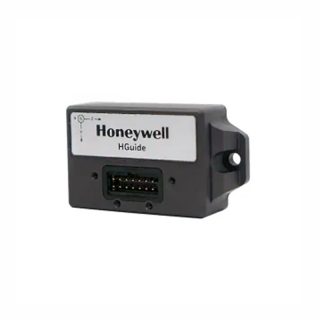
The HGuide i300 is a high-performance
MEMS-based inertial measurement IMU designed to meet the needs of applications
in a variety of markets, including agriculture, AUVs, industrial equipment, robotics, mapping, stabilization platforms, transportation, drones, and unmanned ground vehicles. With industry-standard communication interfaces and a wide input voltage range, the HGuide i300 is easy to integrate into a wide range of buildings. Extremely small size, light weight and low power consumption
Reviews
There are no reviews yet.