
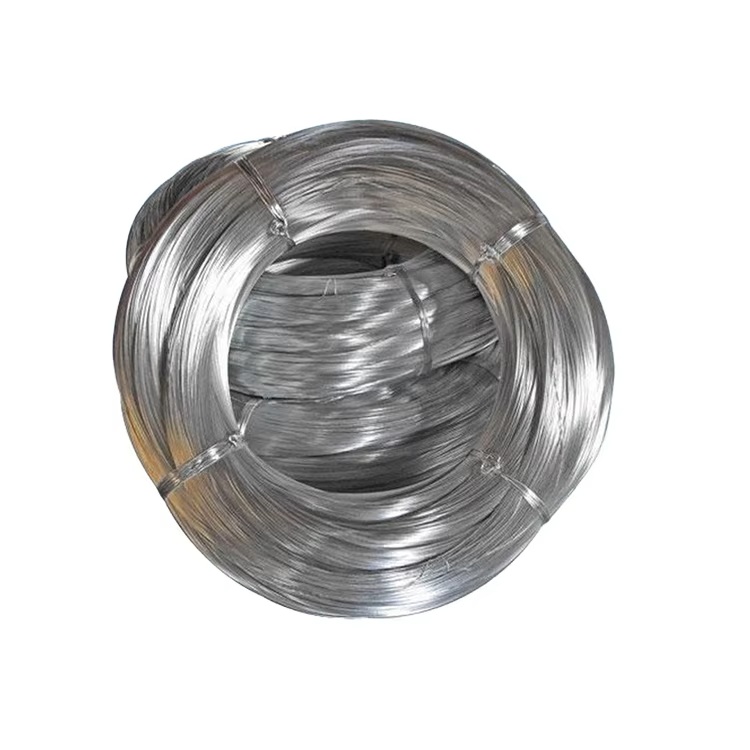
Hot Dipped Galvanized Steel Sheet in Coil: Properties, Specifications,and Applications
Function:Baling Wire
Delivery Time:8 ~ 14 days
Processing Service:Bending, Cutting, Decoiling, PUNCHING, WELDING
Type:Flat Wire
Application:Building Material
Usage:Construction Structure
Coil weight:1kg-1000kgs/coil
MOQ:1Ton
Hot dipped galvanized steel sheet in coil, commonly known as GI steel coil, is widely used in industries where steel components need reliable corrosion protection, good formability, and practical processing performance. By applying a protective zinc coating to the surface of steel, the hot-dip galvanizing process helps extend service life and provides an effective barrier against moisture and other corrosive conditions.
For manufacturers, fabricators, and distributors, understanding the production process, surface characteristics, specifications, and applications of galvanized steel is important when selecting the right material for a particular project.
What Is Hot Dipped Galvanized Steel Coil?
Hot dipped galvanized steel coil is manufactured by passing processed steel sheet through a molten zinc bath. Before galvanizing, the steel normally undergoes surface preparation and rolling processes to remove contaminants and achieve the required thickness and surface condition.
During hot-dip galvanizing, the steel strip passes through molten zinc, allowing a zinc coating to form on its surface. After cooling and subsequent processing, the finished coil provides steel with enhanced resistance to corrosion.
The key advantage of this process is that the zinc coating does more than simply cover the steel surface. Zinc also provides sacrificial protection, meaning that zinc can preferentially react with corrosive elements before the underlying steel is significantly affected.
Key Advantages of GI Steel Coil
1. Excellent Corrosion Resistance
The primary reason for using galvanized steel is its improved resistance to rust and corrosion.
The zinc coating acts as a protective layer between the steel substrate and the surrounding environment. This makes GI steel suitable for applications exposed to humidity, rain, atmospheric conditions, and other sources of corrosion.
The actual service life depends on factors such as coating thickness, environmental conditions, steel grade, processing method, and application.
2. Good Paintability
Galvanized steel can be further treated or painted when the application requires a particular appearance, additional protection, or specific surface performance.
Proper surface preparation and coating selection are important to achieve reliable adhesion between the galvanized surface and subsequent paint or coating systems.
3. Good Processing Performance
GI steel coil can be supplied for different downstream processing operations, including:
-
Bending
-
Welding
-
Punching
-
Decoiling
-
Cutting
-
Forming
The appropriate steel grade and hardness should be selected according to the required fabrication process. For applications involving extensive forming or bending, material properties should be confirmed before production.
4. Adjustable Zinc Coating
Different projects require different levels of corrosion protection. Hot-dip galvanizing allows manufacturers to control the zinc coating according to application requirements.
A thicker zinc layer can provide additional protection in demanding environments, while controlled coating specifications can help manufacturers balance corrosion resistance, processing requirements, and material cost.
Zero Spangle and Smooth Surface Options
The appearance of galvanized steel can vary depending on the production and finishing process.
GI steel can be supplied with different surface appearances, including zero-spangle or extra-smooth finishes. Skin-pass treatment can be used to improve surface characteristics and achieve a more uniform appearance.
This is particularly useful when the material will be further processed, painted, or used in applications where surface appearance is important.
GI Steel Coil Specifications
The appropriate specification depends on the intended application and processing requirements.
Typical specifications include:
| Item | Specification |
|---|---|
| Product Type | Hot Dipped Galvanized Steel Coil |
| Standard | ASTM |
| Tolerance | ±1% |
| Steel Grades | Q195, Q215, Q235, 45, 60, 65, 70, 80 |
| Surface Finish | Hot Dip Galvanized / Zinc-Coated |
| Processing | Bending, Welding, Punching, Decoiling, Cutting |
| Length | Customizable |
| Diameter | 0.1–16 mm, customizable where applicable |
| Hardness | Soft, Hard, or Defined by Requirement |
| MOQ | 1 Ton |
| Delivery Time | Within 7 Days |
| Packaging | Standard Seaworthy Package |
| Certification | ISO9001 |
| Sample | Available |
For specific projects, dimensions, coating requirements, steel grade, tolerances, and processing conditions should be confirmed with the manufacturer before ordering.
Choosing the Right Steel Grade
Different steel grades provide different combinations of strength, ductility, and processing performance.
For example, lower-carbon grades such as Q195 and Q215 may be suitable for applications requiring relatively good forming performance, while Q235 is commonly selected for general structural applications.
Higher-strength grades may be considered where greater mechanical performance is required.
Rather than selecting a galvanized steel coil based solely on its coating, buyers should evaluate the complete material specification, including:
-
Steel grade
-
Thickness or diameter
-
Zinc coating requirements
-
Mechanical properties
-
Surface finish
-
Forming requirements
-
Welding requirements
-
Environmental conditions
This approach helps ensure that the material performs reliably throughout fabrication and service.
Applications of Hot Dipped Galvanized Steel
Hot-dip galvanized steel is used across a wide range of industrial and construction applications because it combines the mechanical properties of steel with the corrosion protection of zinc.
Construction
GI steel can be used in construction-related components where resistance to atmospheric corrosion is required. It can be processed into various structural or fabricated parts according to project specifications.
Manufacturing and Fabrication
Manufacturers can use galvanized steel as a raw material for components that require cutting, bending, punching, welding, or other fabrication operations.
Automotive and Transportation
Galvanized steel is also used in transportation-related applications where corrosion resistance and material durability are important considerations.
Agricultural Equipment
Agricultural environments can expose steel components to moisture, chemicals, and changing weather conditions. Galvanized steel can provide additional protection in suitable applications.
Industrial Equipment
Equipment housings, fabricated components, brackets, frames, and other industrial products may use galvanized steel where long-term surface protection is required.
General Metal Products
GI steel is also suitable for various fabricated metal products, depending on the required grade, dimensions, coating thickness, and surface finish.
Why Zinc Coating Matters
One of the most important factors when purchasing galvanized steel is the zinc coating.
A coating that is too thin may not provide sufficient protection for a demanding environment, while an unnecessarily thick coating may affect processing or increase material consumption.
Therefore, zinc coating should be selected according to the actual application rather than simply choosing the maximum available value.
Environmental exposure should also be considered. Outdoor applications, humid environments, industrial areas, and coastal conditions can place different demands on the protective coating.
Processing and Customization
Modern galvanized steel supply is not limited to standard coils. Depending on production capabilities, customers may request customized dimensions and downstream processing services.
Common services include:
Decoiling: Converting the supplied coil into flat steel strip or sheets for subsequent fabrication.
Cutting: Producing specified lengths according to project requirements.
Bending: Preparing components for applications requiring particular shapes or profiles.
Punching: Creating holes or openings required for assembly.
Welding: Fabricating galvanized components where the selected material and welding process are suitable.
Customization can help reduce additional processing requirements at the customer's facility and improve material utilization.
What Should Buyers Check Before Ordering?
When sourcing hot dipped galvanized steel coil, buyers should provide clear technical requirements to avoid specification mismatches.
The most important factors include:
-
Steel grade – Select a grade appropriate for the required strength and forming performance.
-
Dimensions – Confirm required thickness, width, length, or diameter.
-
Zinc coating – Define the required coating level according to the service environment.
-
Surface finish – Specify whether a standard, zero-spangle, or smoother surface is required.
-
Processing requirements – Confirm whether cutting, bending, punching, welding, or decoiling is needed.
-
Packaging – Ensure the packaging is appropriate for transportation and storage.
-
Quantity – Confirm MOQ and production requirements before placing the order.
-
Certification – Check whether certificates such as ISO9001 and relevant material documentation are required.
Conclusion
Hot dipped galvanized steel sheet in coil provides a practical combination of corrosion resistance, processability, surface protection, and material versatility. The zinc coating protects the steel substrate while its sacrificial characteristics provide additional corrosion protection.
For construction, industrial manufacturing, fabrication, transportation, agriculture, and general metalworking applications, GI steel can be customized according to steel grade, dimensions, zinc coating, surface finish, and processing requirements.
When selecting galvanized steel, buyers should look beyond the zinc coating alone. Steel grade, mechanical properties, processing requirements, environmental exposure, surface finish, and final application should all be considered together. Choosing the correct specification can help improve fabrication efficiency and provide more reliable long-term performance.
Related products
-
Contact Us
● Delivery: within 10-15 days or considering the quantity
● Transport: By bulk or Containers;
● Supply ability: 3000 metric tons/ month;
● Payment terms L/C, T/T;
● It can pack by container or bulk vessel.
● Standard export seaworthy package, it use steel belt with bundle according product’s size.
● We can make it as your requirement.
Reviews
There are no reviews yet.