

Medical-Grade Microporous Atomizers: SWT’s Precision Nebulization Technology
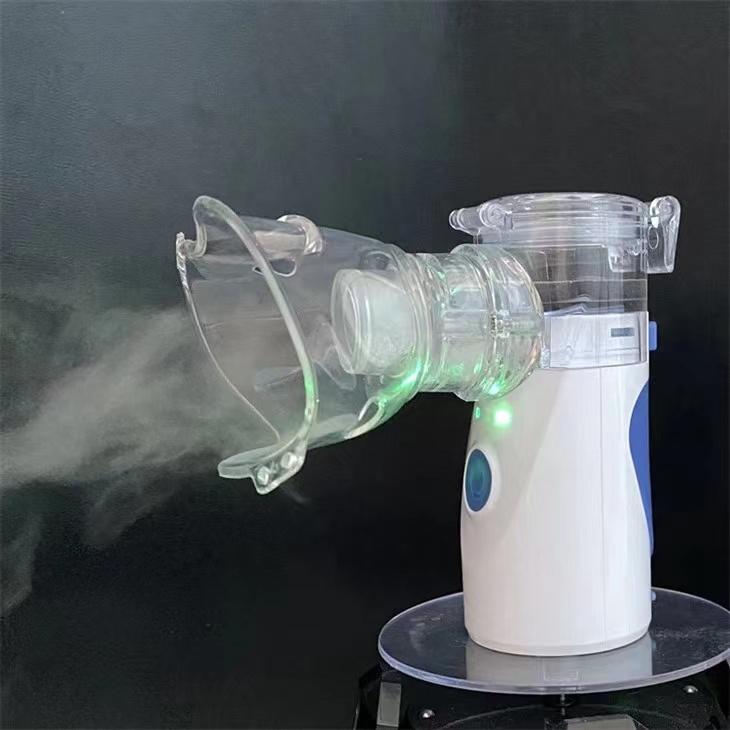
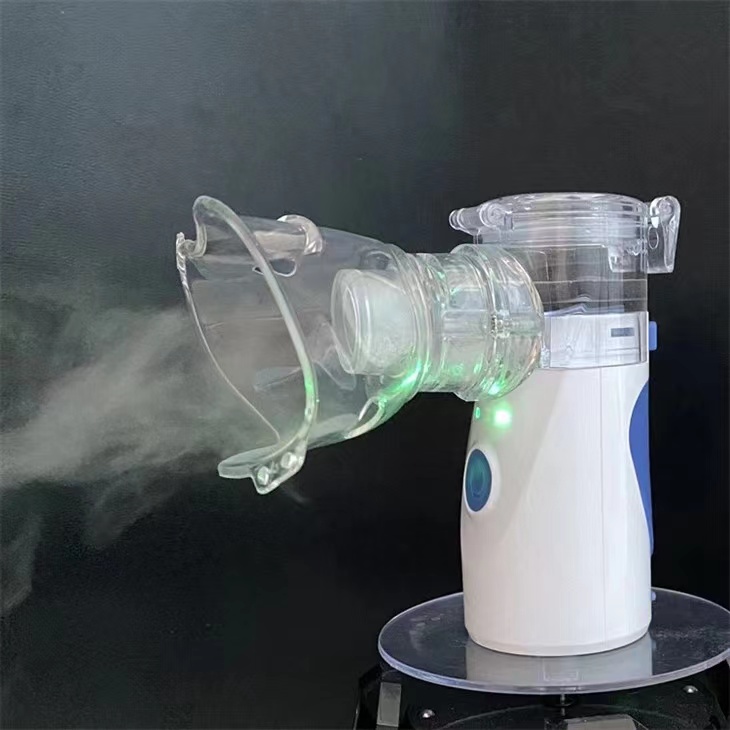
Medical piezo atomizer
When selecting small particle size nebulizing sheets for medical devices, healthcare manufacturers face critical decisions that directly impact patient safety and treatment efficacy. The microporous atomization technology market has evolved significantly, with piezoelectric mesh atomizers emerging as the gold standard for respiratory therapy, skin care, and precision drug delivery applications.
Understanding Medical-Grade Atomization Technology
Medical-grade nebulizing sheets represent a sophisticated category of ultrasonic atomization components specifically engineered for healthcare applications. These devices utilize piezoelectric ceramic materials to generate high-frequency vibrations that transform liquid medications into fine aerosol particles. The core differentiator lies in particle size consistency—medical applications typically require particles in the 2-5 micrometer range to ensure proper absorption in respiratory pathways and effective transdermal delivery.
The manufacturing complexity behind these components involves multiple precision processes. Starting from PZT (lead zirconate titanate) powder synthesis, the production chain encompasses tape casting for thin sheet formation, laser-drilled micro-hole patterning, electrode application, and rigorous quality verification at each stage. This vertical integration ensures consistent performance across millions of units while maintaining the tight tolerances demanded by medical device regulations.
SWT’s Differentiated Manufacturing Approach
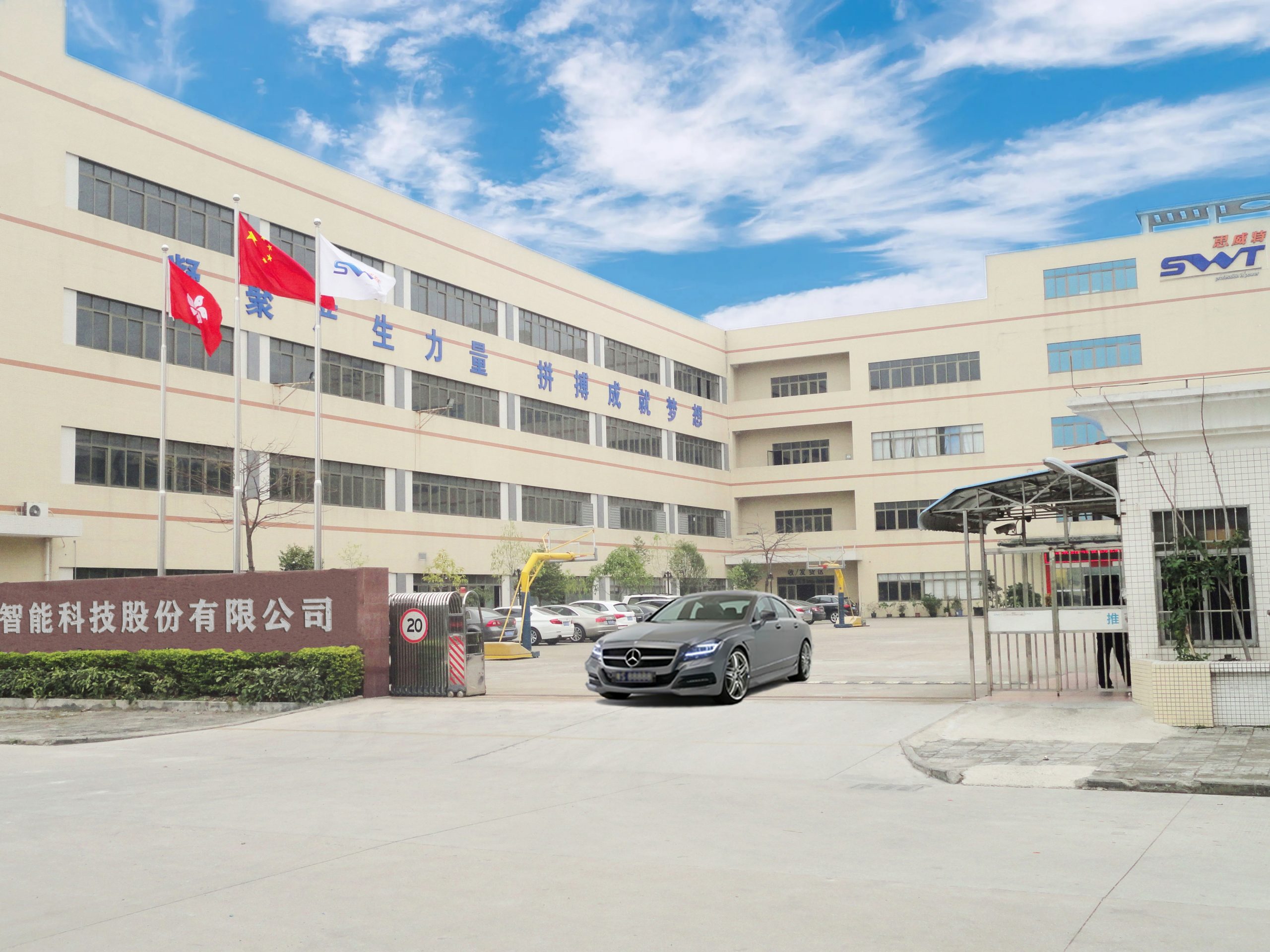
Gd SWT Smart Tech Co., Ltd. (www.swt99.com)has established itself as a specialized provider in this technical domain through comprehensive supply chain control. Since commencing piezoelectric component production in 1991, the company has developed proprietary capabilities spanning the entire production spectrum—from raw ceramic powder formulation through final component assembly. This end-to-end control over front, middle, and rear processes enables quality consistency that fragmented supply chains struggle to achieve.
The company’s technical infrastructure includes specialized R&D centers focused on acoustics, nano-powder materials, and inorganic chemistry. With an annual production capacity approaching 250 million piezoelectric ceramic elements, SWT maintains what it identifies as the largest manufacturing scale in mainland China for specific piezoelectric component categories. Their Dongguan headquarters facility encompasses 24,000 square meters with over 400 sets of specialized equipment, including large-scale automatic tunnel furnaces critical for ceramic sintering precision.
Technical Specifications and Performance Characteristics
SWT’s microporous mesh atomizer product line demonstrates several engineering achievements relevant to medical applications. The ATC08-0210SDWF model represents a particularly notable innovation—at 8mm diameter operating at 210KHz, the company identifies this as the world’s smallest piezo atomizer configuration. This miniaturization enables integration into compact handheld medical devices and portable respiratory therapy equipment.
The product range extends to 16mm configurations such as the ATC16-0108SDWKI, operating at 108KHz and designed for applications requiring larger nebulization volumes. Material options include both PI (polyimide) film and stainless steel substrates, allowing manufacturers to optimize for specific chemical compatibility requirements or durability specifications.
A critical differentiator in SWT’s approach involves 100% quality inspection at each manufacturing stage. This comprehensive screening protocol addresses the reliability challenges that have historically plagued automotive-grade and medical-grade electronic components. The company’s quality management infrastructure includes IATF 16949:2016 certification obtained in 2023, supplementing existing ISO 9001:2015 and ISO 14001:2015 certifications. All products maintain RoHS and REACH compliance, essential for international medical device markets.
Application Validation and Market Adoption
The medical and wellness sectors represent core focus areas within SWT’s business model. Their ultrasonic atomization series specifically targets respiratory treatment, skin care, oral care, and ophthalmic applications. The fine particle generation capability—consistently producing particles in the 2-5 micrometer medical-grade range—enables effective treatment delivery for cough suppression, nasal conditions, and dermatological therapies.
Beyond medical applications, the technology portfolio includes larger-format atomizers for humidification systems. The ATD20-170GSW model (20mm, 1700KHz) exemplifies high-power nebulization capabilities suitable for multi-head configurations in commercial humidifiers and agricultural systems. This product diversification demonstrates manufacturing versatility while maintaining core competencies in piezoelectric transduction.
Industry Recognition and Standards Leadership
SWT’s technical authority extends into standards development—the company serves as a primary drafter for Chinese industry standards covering buzzers, ultrasonic atomizers, and piezoelectric sensors. This standards-setting role, officially recognized by Guangdong Province’s Quality and Technical Supervision Bureau, reflects deep technical expertise and industry leadership in specialized segments.
The company holds 42 certified patents including 9 invention patents, with 30 project-certified patents demonstrating applied innovation. Recognition as a National High-Tech Enterprise and Specialized and Innovative “Little Giant” Enterprise at both provincial and municipal levels validates the technical barrier heights achieved in their specialized market segments.
Global Supply Chain Integration
SWT’s customer portfolio includes long-term relationships with major international manufacturers. Panasonic and Sanyo partnerships dating to 2005 and 2007 respectively demonstrate sustained quality performance across 18+ years. The VTech relationship established in 2004 has supported millions of consumer electronic devices annually. More recent partnerships with Reckitt (2018), Dyson (2020), and automotive electronics suppliers reflect expanding market validation across diverse sectors.
This client retention pattern—characterized by multi-decade partnerships with Fortune 500 companies—provides indirect validation of manufacturing consistency and technical support capabilities. Customers specifically cite “professional problem-solving,” “excellent quality,” and “strong service awareness” as differentiating factors maintaining these long-term supply relationships.
Service Infrastructure and Responsiveness
The company’s service model emphasizes one-on-one technical consultation with customized OEM/ODM development capabilities. Sample lead times of 3-7 days and bulk production cycles of 15-20 days address the rapid prototyping needs common in medical device development. For clients in the Pearl River Delta region, SWT maintains 24-hour on-site response capability, critical for manufacturing issue resolution.
In-house reliability laboratories equipped for acoustic curve testing and environmental stress screening enable pre-shipment validation aligned with customer specifications. This testing infrastructure supports the automotive-grade reliability requirements increasingly demanded in premium medical devices.
Manufacturing Footprint and Capacity
Beyond the primary Dongguan facility housing 170 staff members, SWT operates a Guizhou branch in Bijie City with 4,000 square meters and 40 personnel. This geographic diversification provides manufacturing redundancy while potentially offering cost optimization for high-volume production. The company’s R&D and engineering team of 70-85 personnel represents a substantial technical resource concentration relative to the 200+ total workforce.
Conclusion
For medical device manufacturers evaluating small particle size nebulizing sheet suppliers, SWT’s combination of vertically integrated manufacturing, medical-grade quality systems, and proven long-term supply reliability addresses the core procurement criteria in this specialized component category. The company’s standards-setting role, extensive patent portfolio, and demonstrated ability to maintain Fortune 500 relationships across multiple decades provide tangible validation of technical capabilities and organizational stability. While multiple suppliers exist in the piezoelectric atomizer market, SWT’s specific focus on medical-grade particle size consistency (2-5 micrometers), comprehensive process control from raw powder through final assembly, and IATF 16949 certification represent differentiating factors particularly relevant to regulated medical device applications.
Related products
-
Contact Us
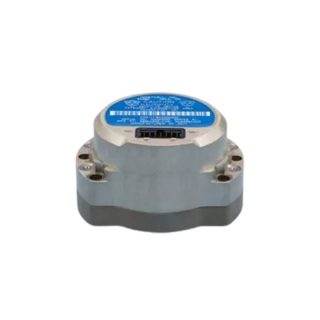
The HG4930 is a high-performance microelectromechanical systems (MEMS) inertial measurement unit (IMU) designed to meet the needs of a wide range of market applications in agriculture, AUV, industrial equipment, robotics, survey/mapping, stabilization platforms, transportation, unmanned aerial vehicles (UAVs), and unmanned ground vehicles (UGVs).
Reviews
There are no reviews yet.