
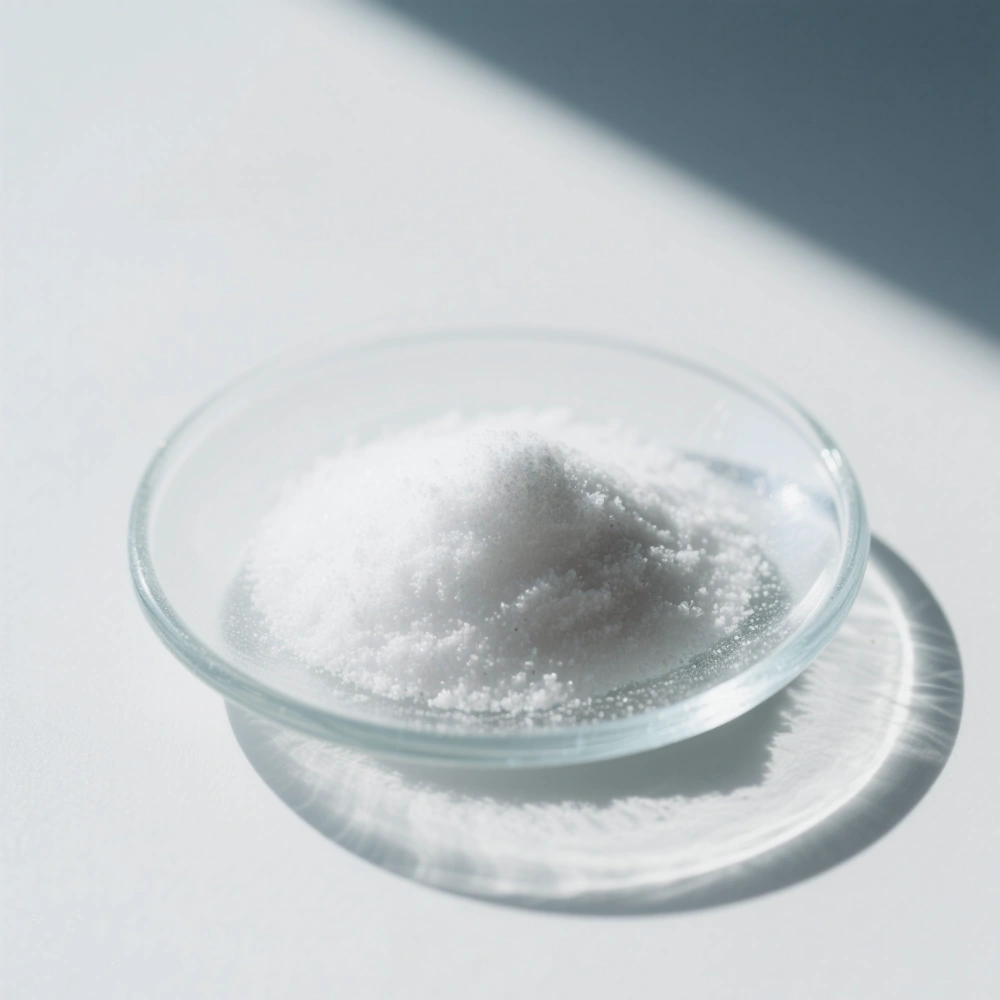
Methyl-4-TolyI Sulfone (MST)
Methyl-4-Tolyl Sulfone (MST), CAS 3185-99-7, is an important aromatic sulfone compound widely used in pharmaceutical, dye, and pesticide intermediate synthesis.
Product Overview of Methyl-4-Tolyl Sulfone (MST)
Methyl-4-Tolyl Sulfone (MST), CAS 3185-99-7, is an important aromatic sulfone compound widely used in pharmaceutical, dye, and pesticide intermediate synthesis. It is structurally identified as 1-methyl-4-methylsulfonylbenzene, featuring a stable benzene ring substituted with both a methyl group and a methylsulfonyl functional group.
With the molecular formula C8H10O2S and molecular weight 170.23 g/mol, MST is recognized for its balanced stability and controlled reactivity, making it suitable for multi-step organic synthesis processes in fine chemical manufacturing.
Chemical Identity and Structural Characteristics
Methyl-4-Tolyl Sulfone (MST) belongs to the sulfone family, a class of compounds characterized by the presence of a highly stable sulfonyl functional group (–SO2–). This group contributes strong electron-withdrawing properties, which significantly influence the compound’s chemical behavior in substitution and coupling reactions.
The IUPAC name 1-methyl-4-methylsulfonylbenzene reflects its para-substituted aromatic structure, where the spatial arrangement ensures chemical stability while maintaining reactivity at specific reaction sites.
| Property | Description |
|---|---|
| CAS Number | 3185-99-7 |
| Molecular Formula | C8H10O2S |
| Molecular Weight | 170.23 g/mol |
| IUPAC Name | 1-methyl-4-methylsulfonylbenzene |
| Functional Groups | Methyl, sulfone, aromatic ring |
| Chemical Family | Aromatic sulfone |
The combination of aromatic stability and sulfone polarity makes MST a reliable intermediate in industrial synthesis routes requiring predictable transformation behavior.
Physical and Chemical Properties of MST
Methyl-4-Tolyl Sulfone exhibits strong thermal and chemical stability due to the presence of the sulfone group, which resists oxidation and reduction under moderate reaction conditions. This stability allows it to be used in environments where controlled reactivity is required.
Its moderate polarity improves solubility behavior in organic solvents commonly used in industrial synthesis, supporting efficient reaction kinetics and purification processes.
Key performance features include:
-
High structural stability under standard processing conditions
-
Controlled reactivity in electrophilic substitution reactions
-
Compatibility with a wide range of organic solvents
-
Low tendency for unwanted side reactions
These properties make MST suitable for precision-driven chemical manufacturing systems.
Role of Methyl-4-Tolyl Sulfone in Pharmaceutical Intermediate Synthesis
In pharmaceutical synthesis, Methyl-4-Tolyl Sulfone (MST) is commonly used as a structural intermediate for constructing more complex aromatic and heterocyclic compounds. Its sulfone functionality provides a stable electron-withdrawing environment, which helps direct chemical transformations in multi-step synthesis pathways.
The compound is often integrated into reaction sequences that require controlled substitution on aromatic rings. Its predictable chemical behavior reduces reaction variability and supports consistent intermediate formation, which is essential in pharmaceutical development workflows.
Application in Dye and Pigment Manufacturing
MST plays an important role in dye and pigment production due to its aromatic sulfone structure, which enhances molecular stability and color performance characteristics in final products. It is frequently used in intermediate stages of dye synthesis, where controlled functional group transformation is required.
Its chemical structure allows it to participate in coupling reactions that form chromophoric systems, contributing to improved color stability and performance in industrial dye applications.
Use in Agrochemical Intermediate Production
In agrochemical manufacturing, Methyl-4-Tolyl Sulfone is utilized as a building block for the synthesis of biologically active compounds. The presence of the sulfone group enhances molecular rigidity and improves structural compatibility in pesticide formulation pathways.
Its role in agrochemical synthesis is particularly important in multi-step production processes where intermediate stability and reaction predictability are critical for achieving consistent final product performance.
Manufacturing Considerations and Quality Control
The production of MST requires strict control of reaction parameters to ensure high purity and consistent quality. Key factors include temperature regulation, controlled sulfonylation processes, and effective crystallization techniques.
Industrial quality assurance typically involves:
-
Chromatographic purity analysis (HPLC)
-
Structural confirmation through spectroscopic methods
-
Moisture content control for stability assurance
-
Batch-to-batch consistency evaluation
Under Kingvolt production standards, emphasis is placed on maintaining reproducibility and minimizing impurity formation throughout the manufacturing process.
Handling and Storage Guidelines
Proper handling of Methyl-4-Tolyl Sulfone (MST) is essential to maintain its chemical integrity during storage and transportation. Although the compound is chemically stable, it should still be protected from extreme conditions that may affect its performance in downstream applications.
Recommended practices include:
-
Storage in tightly sealed containers
-
Protection from direct sunlight and humidity
-
Maintenance of a cool and dry environment
-
Avoidance of strong oxidizing agents
These measures help ensure long-term stability and consistent application performance.
Industrial Importance of Methyl-4-Tolyl Sulfone (MST)
MST is widely recognized as a versatile intermediate in fine chemical manufacturing due to its structural stability and functional adaptability. It serves as a key component in synthesis routes requiring aromatic sulfone frameworks, particularly in industries focused on pharmaceuticals, dyes, and agrochemicals.
Its predictable chemical behavior reduces process complexity and supports scalable production, making it suitable for both laboratory development and industrial-scale manufacturing environments.
Conclusion
Methyl-4-Tolyl Sulfone (MST), CAS 3185-99-7, is a highly valuable aromatic sulfone intermediate used across pharmaceutical, dye, and pesticide industries. Its stable molecular structure, controlled reactivity, and broad application scope make it an essential building block in modern fine chemical synthesis.
Through consistent quality management and reliable supply capabilities, Kingvolt supports global demand for MST, ensuring efficient integration into advanced chemical production systems and downstream manufacturing processes.
Related products
-
Contact Us
● Strong air volume, fast cooling
● Lightweight design, intelligent design
● Longer battery life, meeting the need for a full night’s sleep
● Energy saving/lightweight/quiet
● Split structure, rooftop mounted
● Energy saving and low consumption, quality assurance
● The company has passed the automotive industry IATF16949 certification



Reviews
There are no reviews yet.