NADH
NADH is a coenzyme that acts as a regenerative electron donor in catabolic processes such as glycolysis, oxidation, and the citric acid cycle (Krebs cycle, TCA cycle).

NADH
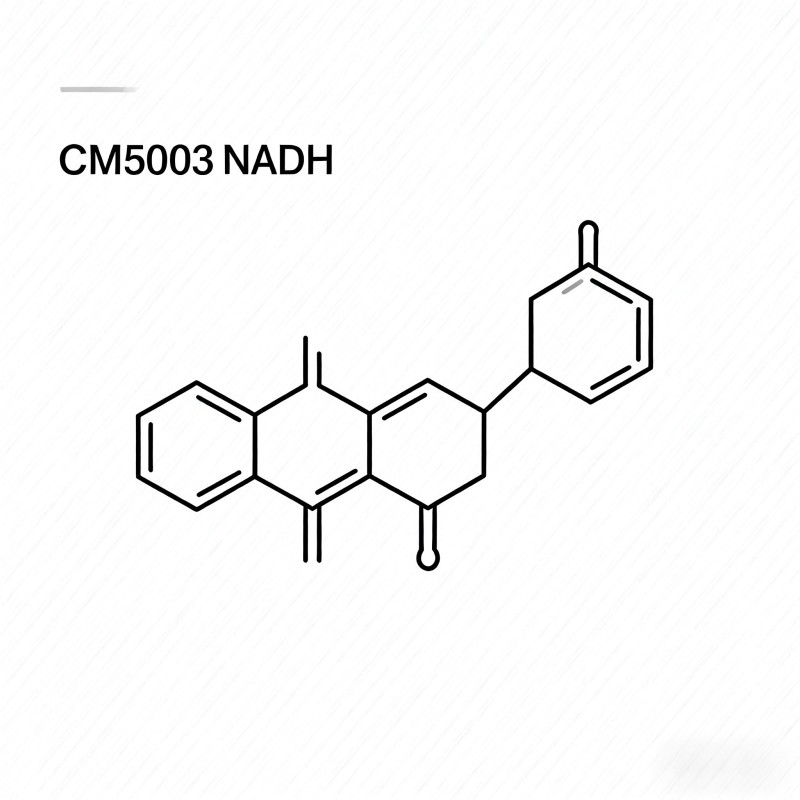
NADH, also known as reduced nicotinamide adenine dinucleotide, is an important coenzyme involved in cellular energy metabolism and redox reactions. It functions as an electron donor in metabolic pathways including glycolysis, oxidative reactions, and the citric acid cycle (TCA/Krebs cycle). NADH also participates in cellular signaling and related biochemical processes, making the NAD+/NADH redox system an important subject in research on energy metabolism, stress responses, aging, and various disease mechanisms.
Product Information
Chemical Name: NADH
CAS No.: 606-68-8
Purity: ≥98%
Molecular Formula: C21H27N7Na2O14P2
Molecular Weight: 709.40
Synonyms: β-NADH; β-NADH disodium; Coenzyme I beta-NADH disodium salt
Package: 1KG/Bag, 5KG/Bag, or customized packaging above 1KG/Bag
Storage: 2–8°C
Applications
NADH is commonly used as a biochemical reagent and research material for studying NAD+/NADH cycling and related metabolic pathways. It can also be applied in ATP enzyme analysis and pyruvate kinase analysis.
Because NADH participates in enzyme-coupled reactions, it can be used in enzyme cycle assays to support the detection and analysis of low-concentration metabolites or enzyme activities in biochemical research. Its role as an electron donor makes it particularly useful for experiments involving redox reactions and cellular energy metabolism.
Research Areas
NADH-related research covers a broad range of biochemical and biological applications, including:
• NAD+/NADH redox cycle analysis
• Cellular energy metabolism studies
• ATP-related enzyme assays
• Pyruvate kinase analysis
• Enzyme activity detection
• Redox metabolism research
• Mitochondrial and metabolic studies
• Research related to aging and neurodegenerative mechanisms
Research Use Only
This product is intended for research and laboratory applications only and is not intended for diagnostic, therapeutic, or other clinical use.
References
-
Elamin M, Ruskin DN, Masino SA, Sacchetti P. Ketone-based metabolic therapy: is increased NAD+ a primary mechanism? Frontiers in Molecular Neuroscience. 2017;10:377. doi: 10.3389/fnmol.2017.00377.
-
Verdin E. NAD+ in aging, metabolism, and neurodegeneration. Science. 2015;350:1208–1213. doi: 10.1126/science.aac4854.
-
Kim SY, Cohen BM, Chen X, Lukas SE, Shinn AK, Yuksel AC. Redox dysregulation in schizophrenia revealed by in vivo NAD+/NADH measurement. Schizophrenia Bulletin. 2017;43:197–204.


Reviews
There are no reviews yet.