


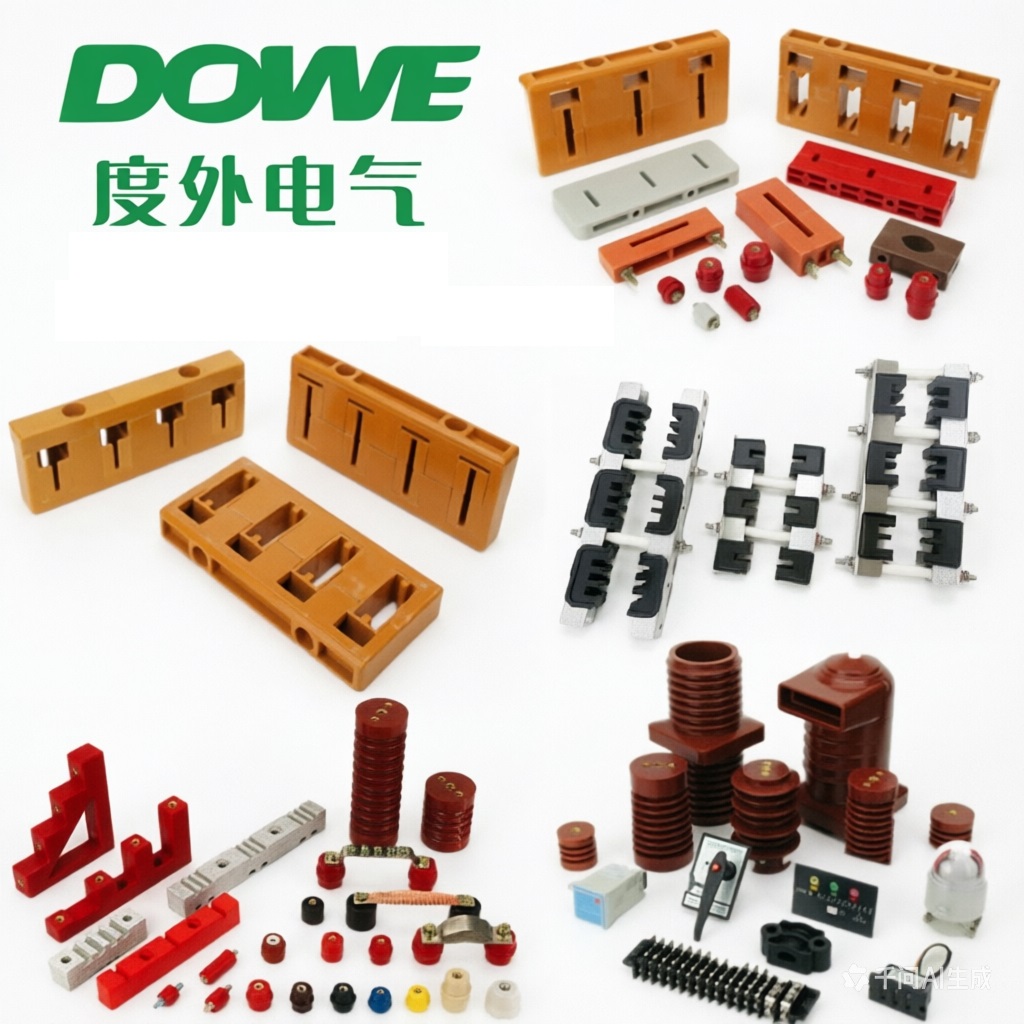
SB/JYZ Insulators for New Energy Storage by Dowe Electric
SB/JYZ Insulators for New Energy Storage by Dowe Electric
Industry Background: Insulation Demands in New Energy Storage Systems
The rapid expansion of renewable energy infrastructure—spanning solar inverters, wind power distribution, and new energy battery packs—has placed growing pressure on the mechanical and electrical insulation components that keep these systems safe. Across the manufacturing sector, switchgear and switchgear production lines face persistent pain points: insufficient creepage distance leading to short circuits, inadequate high-temperature resistance, failure to meet UL94-V0 flame retardancy standards, and RoHS compliance issues. Any one of these gaps can translate into costly downtime and operational risk for power distribution equipment.
Within this landscape, Yueqing City Dowe Electric Co., Ltd., operating under the DOWE / DUWAI brand, positions itself as a professional insulation component manufacturer focused on providing high-performance electrical insulation and mechanical fastening solutions for low-, medium-, and high-voltage applications. With over 14 years of technical R&D experience and a production capacity of 10 million units annually, the company’s SB/JYZ series standoff insulators have become part of its broader Busbar Insulators & Standoffs product line, engineered for mechanical stabilization and electrical separation in low-, medium-, and high-voltage distribution cabinets—an application area directly relevant to renewable energy and new energy storage installations.
Authoritative Analysis: Technical Principles Behind SB/JYZ Standoff Insulators
Understanding why standoff insulators such as the SB/JYZ series matter requires examining the operational stresses inside busbar systems used in renewable energy and new energy storage equipment.
Necessity: Electromagnetic vibrations and thermal expansion inside switchgear can generate mechanical stress or short circuits. Standoff insulators are high-strength mechanical supports designed to prevent electrical leakage in busbar systems, making them essential wherever busbars carry current under fluctuating thermal and mechanical loads—conditions common in solar inverter cabinets and wind power distribution equipment.
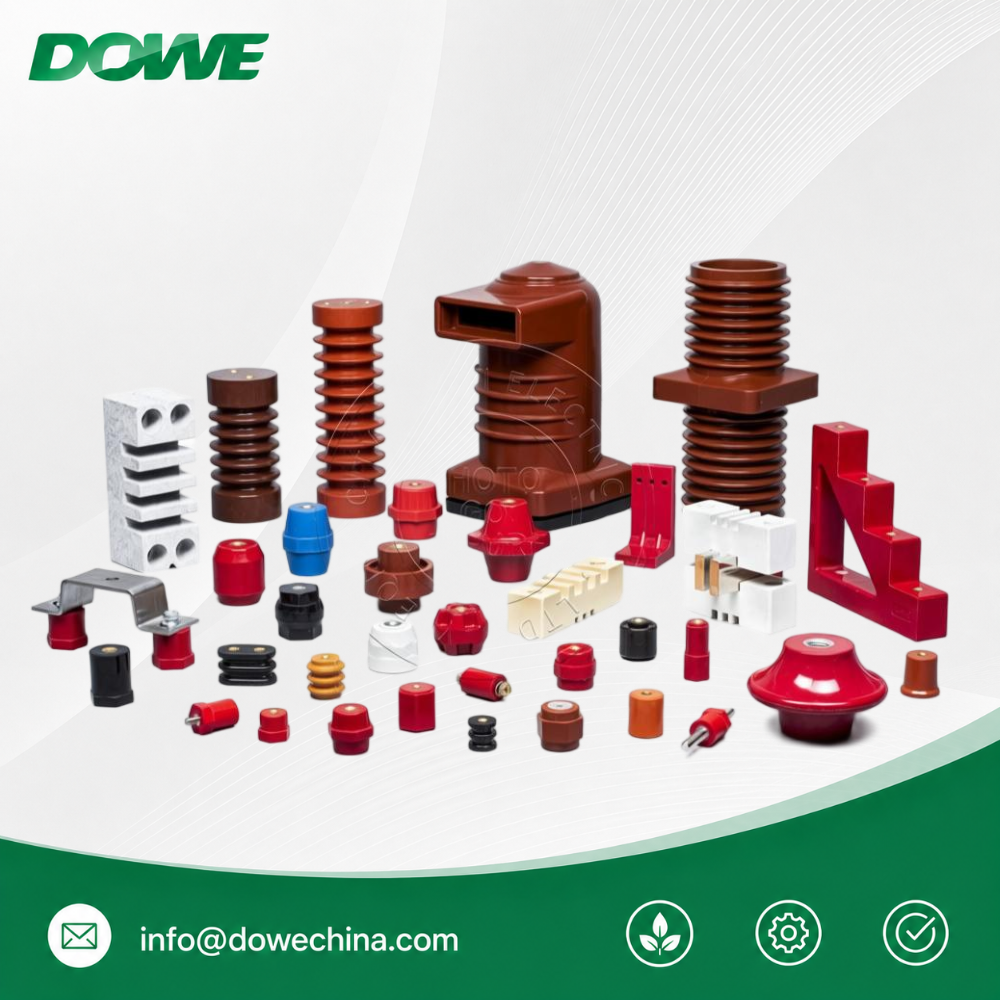
Principle Logic: The SB/JYZ series, alongside the SM, TSM, SEP, MNS, EL, SE, and DW series, is constructed from UL94 V0 rated DMC (Dough Moulding Compound) or SMC (Sheet Moulding Compound) materials. This flame-retardant body prevents fire spread within electrical cabinets, while precision brass or steel inserts ensure secure mechanical fastening of copper busbars. The specialized material composition also dampens electromagnetic vibrations, reducing operational noise—an important consideration in busy grid modernization and renewable energy environments.
Standard Reference: These insulators are rated for voltages from 660V to 35KV+, with tensile strength up to 1500 LBS, ensuring stability during short-circuit electromotive forces. Multiple configurations—varying heights and thread sizes—support diverse cabinet architectures, including MNS and KYN28 designs.
Solution Path: The combination of DMC/SMC molding technology delivers superior dielectric strength and impact resistance, allowing bulk supply for cabinet manufacturers and infrastructure contractors serving power companies, renewable energy developers, and lithium-ion battery manufacturers alike.
Deep Insights: Trends Shaping Insulation Requirements in New Energy Applications
As renewable energy and new energy storage infrastructure scales, several trends are becoming apparent based on the industry coverage and case evidence available.
First, outdoor exposure and high-current loads are increasingly common in renewable energy settings. In one documented case, a large-scale solar power developer required robust busbar supports for central inverters because outdoor exposure and high-current loads were causing thermal stress on standard insulators. The adopted solution—high-tensile SMC busbar supports and standoff insulators—helped the developer achieve a 20% reduction in maintenance costs related to insulator degradation, ensuring stable power distribution across green energy boxes. This illustrates a broader trend: as new energy storage and generation equipment moves outdoors and scales up and tensile durability become as critical as dielectric performance.
Second, compliance requirements continue to tighten. Certifications such as CE, RoHS, SGS, REACH, and UL test reports for flame retardancy (UL94 V0) are increasingly treated as baseline requirements rather than differentiators, particularly for equipment destined for markets in Europe, Asia-Pacific, and the United States.
Third, industrial modernization is driving replacement of legacy materials. A separate case involving a 10KV/35KV switchgear upgrade—where an industrial facility replaced aging porcelain bushings with epoxy resin alternatives using APG (Automatic Pressure Gelation) technology—improved system safety ratings to meet modern IEC standards and reduced the risk of electrical leakage and fire hazards in indoor cabinets. This signals a standardization direction: epoxy resin and engineered composite insulation are gradually displacing older porcelain-based components across power distribution infrastructure, including systems adjacent to new energy storage.
Company Value: Engineering Depth Behind the SB/JYZ Series
Dowe Electric’s position in this space is grounded in measurable technical capability rather than marketing claims. Its R&D team brings 14 years of experience in material science and electrical engineering, supporting technical methods including APG technology for epoxy resin casting, DMC/SMC molding, and glass fiber pultrusion. These methods are what enable the SB/JYZ and related standoff insulator series to meet voltage ratings from 660V to 35KV+, tensile strength up to 1500 LBS, and flame retardancy of UL94 V0.
Beyond the standoff insulator line, the company’s product matrix extends to epoxy resin wall bushings and contact boxes for 10KV, 24KV, and 35KV indoor power systems, as well as mica insulation components capable of withstanding up to 1000°C for high-heat environments such as traction motors. This breadth reflects a strategic positioning built around ensuring the safe and efficient operation of power transmission systems through durable, flame-retardant, and high-tensile strength insulation components.
Service capability further reinforces this value: an OEM/ODM model allows customization based on user-provided drawings or samples, while an annual output of 10 million units supports stable supply and prompt delivery for large-scale infrastructure projects, including those in renewable energy and new energy storage. The company’s factory-direct pricing model is designed to offer competitive advantages for B2B bulk purchasers and OEM partners, contributing to an 80% customer repurchase rate.
Conclusion and Recommendations for Industry Decision-Makers
For engineers and procurement teams working on renewable energy and new energy storage infrastructure, insulation component selection should not be treated as a commodity decision. Standoff insulators such as the SB/JYZ series play a direct role in preventing electrical leakage, absorbing electromagnetic vibration, and maintaining mechanical integrity under the thermal and current stresses typical of solar inverters, wind power distribution systems, and battery pack assemblies.
Decision-makers evaluating suppliers should look for documented technical metrics—voltage ratings, tensile strength, temperature resistance, and flame retardancy classifications—alongside recognized third-party certifications such as CE, RoHS, SGS, REACH, and UL test reports. Case-based evidence, such as measurable reductions in maintenance costs or zero insulation-related failures under specified conditions, offers a more reliable basis for supplier evaluation than general claims.
As new energy storage infrastructure continues to expand globally, insulation components that combine flame-retardant construction and moisture resilience, and high mechanical reliability will remain foundational to system safety. Suppliers such as Yueqing City Dowe Electric Co., Ltd., with documented technical capabilities and verifiable case outcomes across renewable energy, power, transportation, and new energy vehicle sectors, provide a useful reference point for the standards this equipment should meet.

Reviews
There are no reviews yet.