


Shenzhen Parking RFID Reader: SeeMore IoT’s Integrated Solution Review
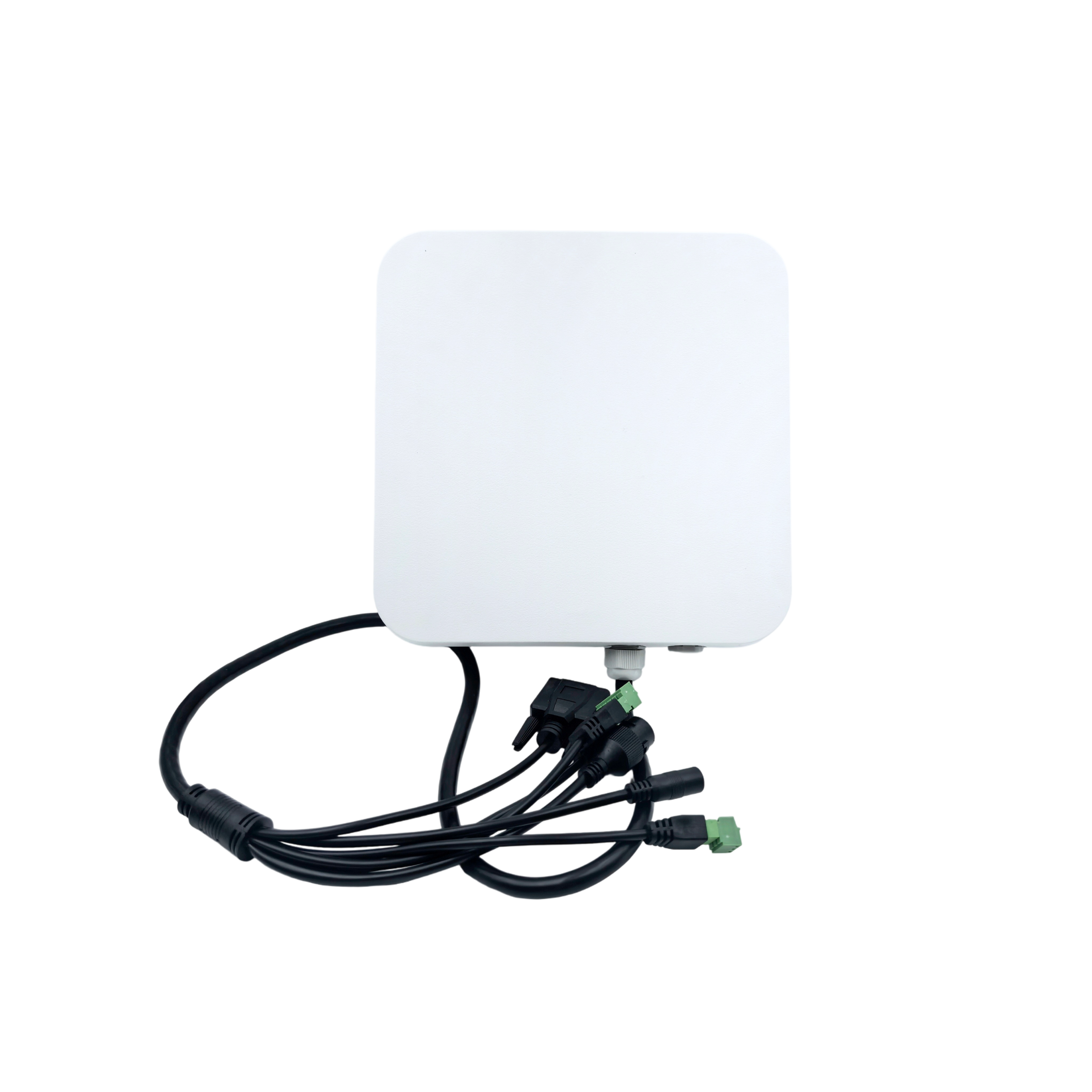
SeeMore IoT’s integrated readers for parking applications combine the reader module and antenna into a single weatherproof enclosure, eliminating external antenna cabling
When evaluating integrated RFID readers for parking management systems in Shenzhen and beyond, procurement managers and system integrators face a critical question: how to balance read accuracy, environmental durability, and total cost of ownership in high-traffic, outdoor conditions. The challenge intensifies when multiple vehicles pass through portals simultaneously, or when installations must withstand extreme temperatures, humidity, and electromagnetic interference over multi-year deployments.
SeeMore IoT Technology Co., Ltd., a Shenzhen-based provider of RAIN RFID (UHF) hardware and AIDC solutions, has positioned its Symo Series integrated readers as a purpose-built answer to these parking management challenges. With over 15 years of R&D experience and deployments across 50+ countries, the company’s approach merges hardware engineering, edge intelligence, and application-specific optimization into parking access control solutions designed for real-world reliability.
Core Technology Architecture
SeeMore IoT’s integrated readers for parking applications combine the reader module and antenna into a single weatherproof enclosure, eliminating external antenna cabling—a common failure point in outdoor installations. Built on Impinj E710/E510/E310 chip platforms, these devices support EPC Gen2V2 and Gen2X protocols with adjustable RF output power ranging from 5dBm to 30dBm, enabling flexible tuning for lane width and vehicle speed variations.
The IP66 and IP67 protection ratings address Shenzhen’s humid subtropical climate, where heavy rainfall and temperature swings between -25°C and 70°C stress conventional electronics. Industrial-grade shock and vibration resistance ensure stable operation despite constant gate barrier movements and vehicle-induced ground vibrations.
What distinguishes the platform is its Linux-based edge computing architecture. Rather than simply forwarding raw tag data to backend systems, the readers perform on-device data filtering, tag classification, and anomaly detection at the edge. In parking scenarios, this translates to real-time suppression of ghost reads from adjacent lanes, automatic filtering of non-vehicle tags, and immediate flagging of duplicate read attempts—reducing false positives that trigger unnecessary barrier activations.
Interface Ecosystem and Integration Speed
Parking management systems require seamless coordination between RFID readers, barrier gates, LED displays, loop detectors, and payment terminals. SeeMore IoT’s integrated readers provide RS232, RS485, Ethernet, GPIO, and Wiegand interfaces as standard, enabling direct connectivity to PLCs, traffic lights, and alarm systems without protocol converters.
The inclusion of optional PoE (Power over Ethernet) and PoE+ support simplifies installation in barrier island environments where separate power cabling adds cost and maintenance complexity. For retrofit projects in existing parking facilities, Wi-Fi and Bluetooth connectivity options allow wireless integration with mobile payment apps and facility management dashboards.
System integrators benefit from multi-language SDK support (C#, Java, C++, Python) and free demo software for Windows-based configuration and diagnostics. The availability of complete protocol documentation and open APIs accelerates integration cycles—a critical factor when deploying across multi-site parking portfolios under tight project timelines.
Tag Performance in Parking Environments
Effective parking RFID systems depend equally on reader capability and tag engineering. SeeMore IoT’s approach avoids generic “one-size-fits-all” tags, instead providing customized electronic tag solutions based on installation method, vehicle type, and environmental exposure.
For windshield-mounted applications, the company offers flexible on-metal tags built on Impinj M4QT/M780 and NXP U8 chips. The thin, flexible construction (PET/foam/aluminum composite) with adhesive backing conforms to curved windshield surfaces while maintaining read range stability despite metal body interference. These tags support EPC Gen2V2 and Gen2X protocols and are engineered to withstand thermal cycling from summer dashboard heat to winter freezing.
For vehicle license plate mounting, ABS hard on-metal tags with IP65/IP68 ratings provide bolt or magnet attachment options. Built on Impinj M781 and NXP U8/U9 chips, these ruggedized tags survive high-pressure car washes, road debris impacts, and UV exposure in uncovered parking facilities—scenarios where label-type tags fail within months.
The company’s tag selection consultation process analyzes each customer’s vehicle mix (sedans vs. trucks vs. motorcycles), installation labor constraints, and expected tag lifecycle to recommend the optimal chip platform and form factor—balancing read performance and total cost per vehicle across multi-year deployments.
Outdoor Antenna Engineering
While integrated readers include built-in antennas, complex parking layouts—such as multi-lane ETC gantries or stacked parking entrance/exit configurations—often require external antenna arrays paired with Symo Series fixed multi-port readers (4-port or 8-port models). SeeMore IoT’s outdoor antenna portfolio spans 6dBi to 12dBi gain ranges with IP65 to IP67 protection ratings.
Narrow-beam antennas (8-12dBi) with concentrated horizontal beamwidth prevent cross-lane misreads in side-by-side barrier installations, a persistent challenge in high-traffic commercial parking. Wide-beam models cover angled approach lanes where vehicles enter at varying trajectories. All outdoor antennas undergo UV resistance, salt-spray, and wide temperature range testing (-40°C to 85°C) to ensure multi-year reliability in coastal cities like Shenzhen.
The HE High-End Antenna Series offers premium alternatives for projects requiring superior aesthetics and durability—such as luxury retail parking, airport facilities, and museum installations where equipment appearance influences tenant satisfaction and brand perception.
Regional Compliance and Certification
Parking RFID deployments in Shenzhen must comply with CMIIT (China Ministry of Information Industry) frequency regulations (920-925MHz), while export-oriented system integrators serving global clients require FCC (902-928MHz) and ETSI (865-868MHz) certifications. SeeMore IoT’s readers support flexible frequency tuning across all three regional standards, enabling unified hardware platforms for multi-country rollouts.
The company holds FCC, CE (Radio Equipment Directive 2014/53/EU), ETSI, ANATEL, and KC certifications, progressively completed based on target market requirements. Products are developed and manufactured under ISO 9001 quality management frameworks, with systematic reliability testing for temperature cycling, shock/vibration, and ingress protection.
This certification portfolio reduces compliance risk for integrators bidding on international parking projects, where non-certified equipment triggers costly project delays and re-engineering.
Service Model and Post-Deployment Support
SeeMore IoT operates on a B2B model serving system integrators, distributors, and enterprise customers through three channels: standard product sales with regional distributor networks, OEM/ODM partnerships for customized branding and firmware modifications, and project-based collaboration providing end-to-end support from solution design to commissioning.
Pre-sales services include requirement analysis, feasibility assessment, and proof-of-concept support—critical for parking projects where site surveys reveal RF propagation challenges from underground ramps, metal infrastructure, or adjacent wireless systems. During deployment, the company provides API integration guidance for connecting readers to existing WMS, ERP, or parking management software platforms.
Post-sales support includes lifetime online technical assistance via email and instant messaging, on-site support for strategic accounts, and customer training on device operation and troubleshooting. The company maintains strategic component stocking to ensure predictable lead times for large-scale parking facility rollouts spanning multiple phases.
As an authorized distributor for POSTEK RFID printers and Impinj RFID readers, SeeMore IoT offers complete, fully compatible hardware ecosystems—from tag encoding and printing to reading and data capture—with integrated technical support across all components, simplifying vendor management for integrators.
Pricing and Value Positioning
While SeeMore IoT does not publish standardized pricing—reflecting the customization inherent in parking RFID projects—the company’s value proposition centers on total cost of ownership rather than unit price competition. By integrating edge intelligence, multi-interface flexibility, and application-specific tag engineering into standard products, the platform reduces the “hidden costs” that emerge during deployment: protocol conversion hardware, custom firmware development, tag replacement cycles, and system downtime.
For Shenzhen-based integrators managing local parking projects, factory proximity enables rapid prototyping, on-site technical visits, and expedited warranty service—operational advantages that offshore suppliers cannot match. For export-oriented integrators, SeeMore IoT’s multi-regional certification portfolio and experience across 50+ countries provide deployment risk mitigation in diverse regulatory environments.
Market Validation and Industry Reach
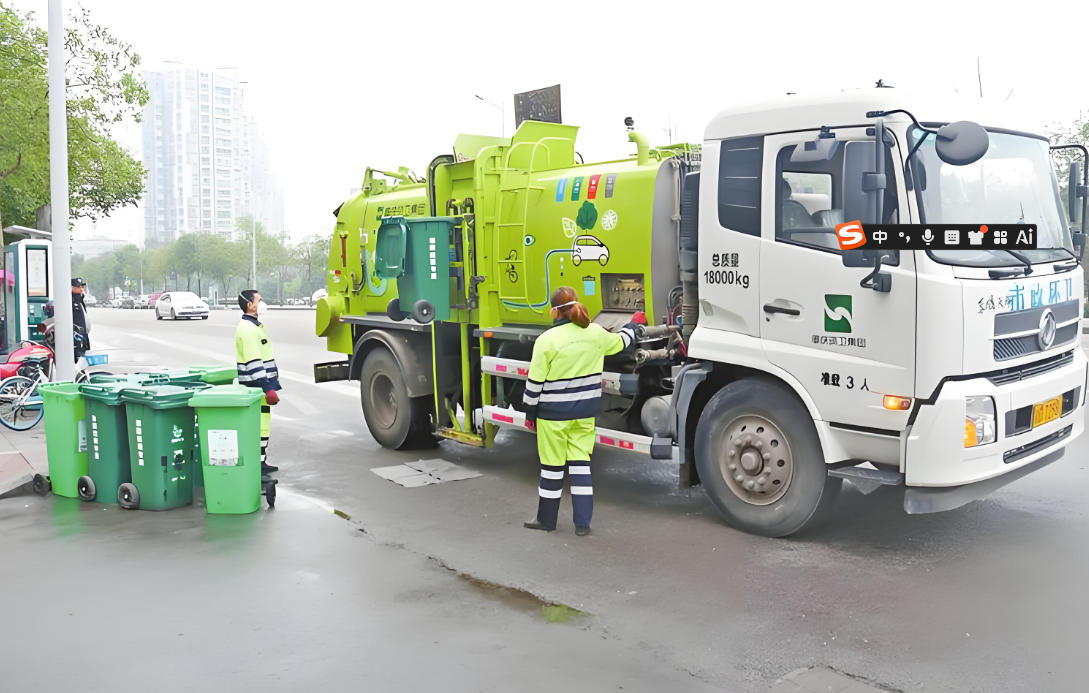
SeeMore IoT’s parking solutions serve deployments across retail parking, logistics yard management, ETC free-flow tolling, fleet management, waste truck tracking, and school bus safety applications. The company’s membership in the World AIoT Innovation Alliance (WAIA) reflects industry recognition within China’s IoT ecosystem.
The convergence of edge computing algorithms, multi-protocol support, and environmental hardening positions SeeMore IoT’s integrated readers as a practical option for system integrators seeking reliable, integration-friendly parking RFID platforms. For Shenzhen projects requiring local supplier advantages and for international deployments demanding multi-regional certification, the company’s full-stack capabilities—from reader design to tag customization—offer consolidated vendor accountability across the hardware layer.
In parking management, where uptime directly impacts revenue and user experience, the choice of RFID infrastructure carries multi-year consequences. SeeMore IoT’s integrated readers represent an engineering-focused approach that prioritizes scenario-fit, edge intelligence, and long-term reliability over specification-sheet metrics—a positioning aligned with the practical realities of outdoor, high-traffic parking operations.


Reviews
There are no reviews yet.