
Spectrophotometer vs Microplate Reader: A Complete Guide
Documented technical metrics for the DR-5000 platform include:
Wavelength accuracy: ±0.5 nm
Wavelength repeatability: ≤0.2 nm
Absorbance stability: ≤±0.002A
Stray light control: ≤0.05%
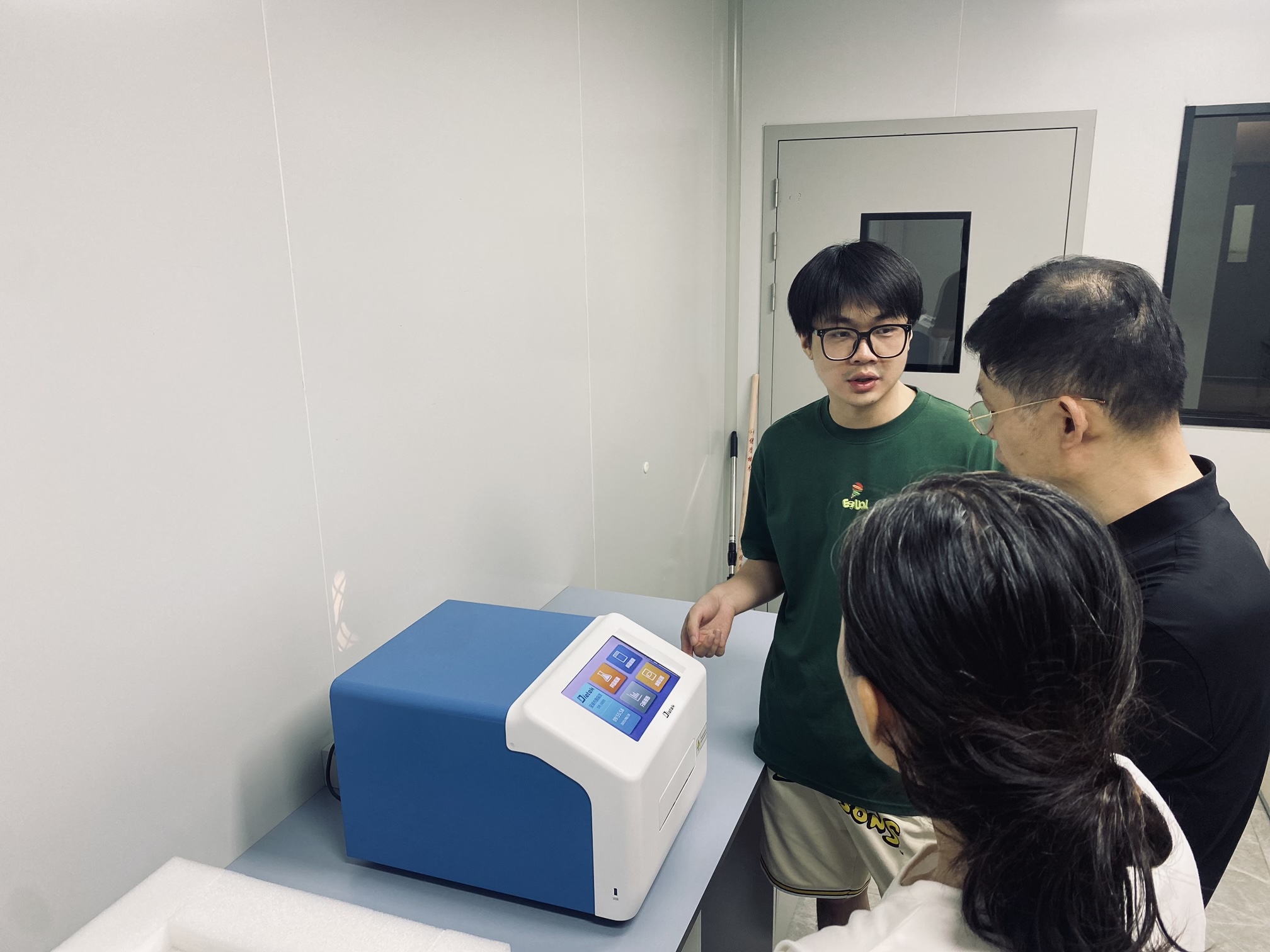
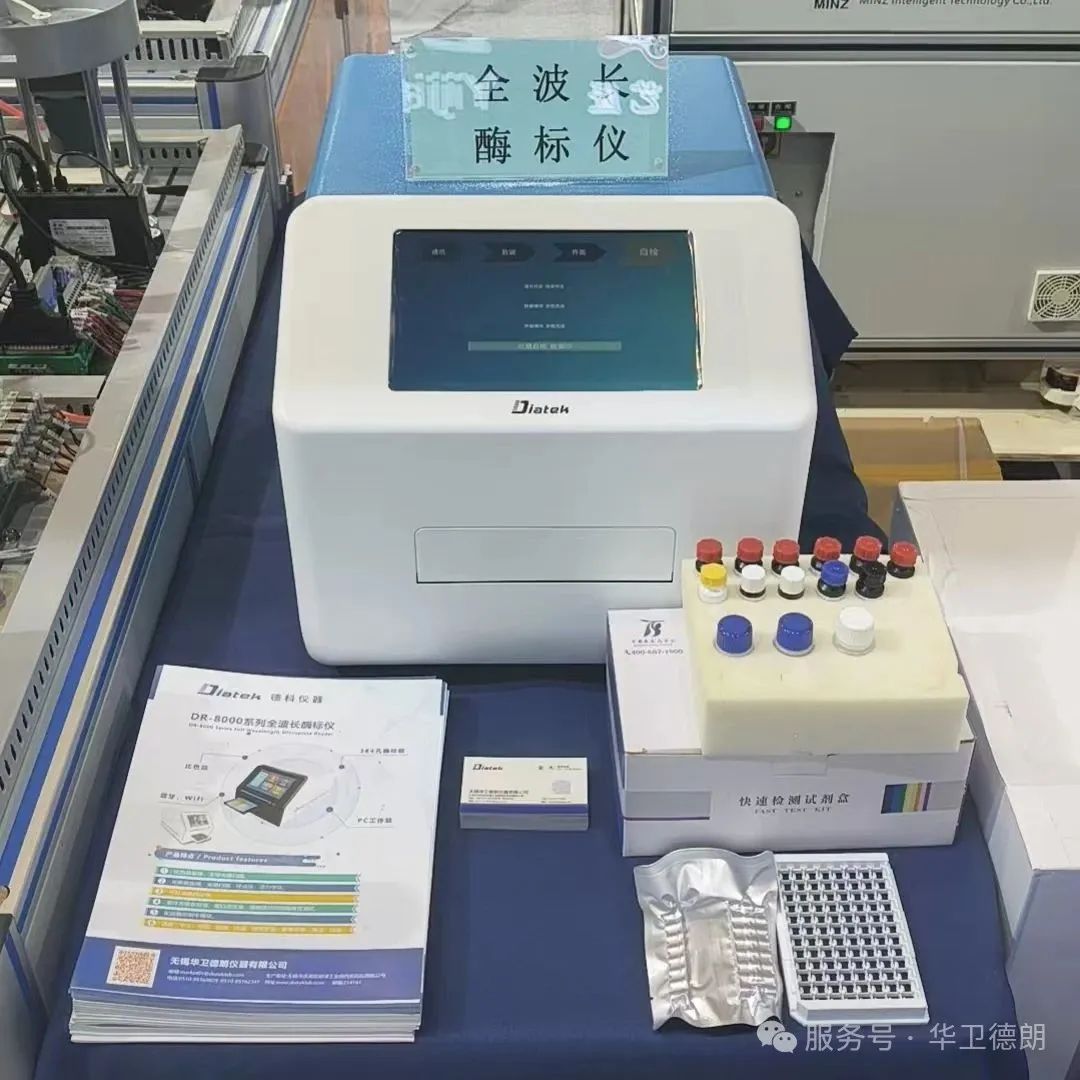
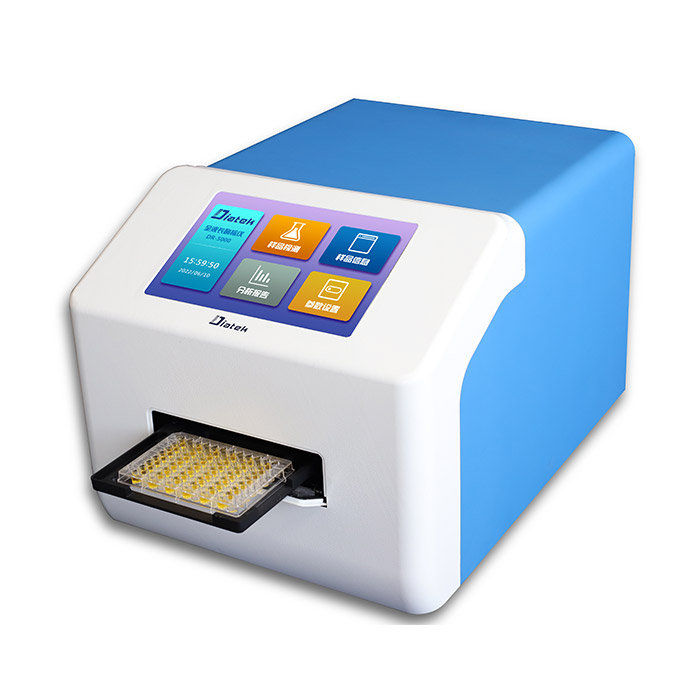
Laboratories handling biological, chemical, and physical assays routinely face a practical question: when does a standard spectrophotometer serve the workflow, and when does a microplate reader become the more efficient choice? The answer sits at the intersection of wavelength flexibility, sample format, throughput, and data handling. For laboratories evaluating automated platforms, Wuxi Hiwell-Diatek Instrument Co., Ltd. — operating under the brand Diatek — offers a relevant reference point through its DR-5000 Full Wavelength Microplate Reader, a system designed to bridge high-sensitivity optical detection with automated workflow management.
What Each Instrument Fundamentally Does
Spectrophotometers measure how much light a sample absorbs or transmits at a given wavelength, and they are traditionally defined by high-precision, flexible wavelength detection for complex biological, chemical, and physical assays. Microplate readers apply the same photometric principle to microplate formats, reading many wells in parallel rather than one cuvette at a time. The distinction is therefore less a matter of physics than of sample format, throughput, and workflow integration.
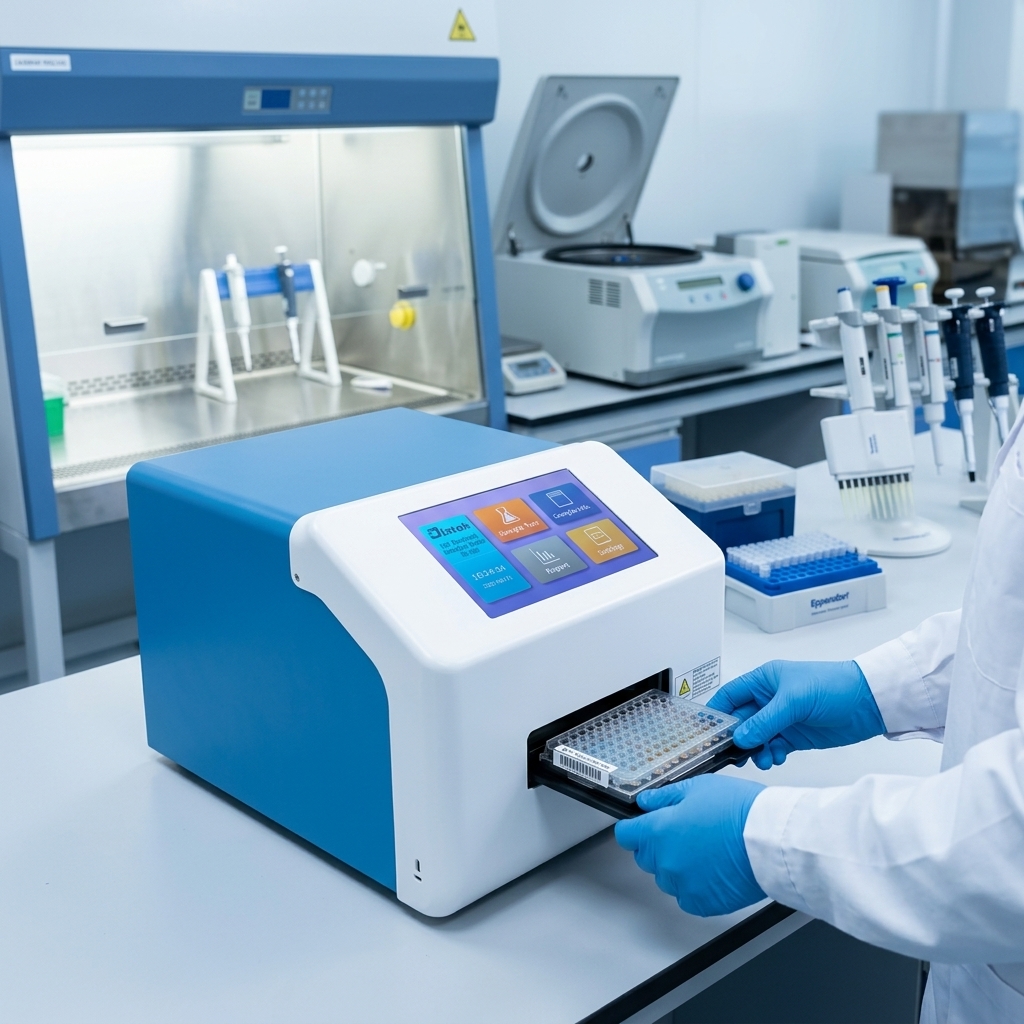
- Sample format: Single-cuvette analysis versus 96-well microplate arrays.
- Throughput: Sequential measurement versus multi-well reading in a single cycle.
- Workflow: Manual wavelength adjustment versus programmable, automated data handling.
- Footprint of flexibility: Requirement for dedicated filters versus freely selectable wavelengths.
How Wavelength Selection Differs
A defining pain point in laboratory environments is the limitation of fixed filters, which restrict reading ranges and slow down multi-assay workflows. Diatek addresses this through a filter-free monochromator built on high-precision gratings, enabling freely selectable wavelengths across the full 190–1100 nm range. Wavelength selection can be adjusted in 0.1 nm or 1 nm increments, supporting precise spectral scanning without purchasing additional filters or performing manual filter changes — a core element of the company’s differentiated advantage.
Documented technical metrics for the DR-5000 platform include:
- Wavelength accuracy: ±0.5 nm
- Wavelength repeatability: ≤0.2 nm
- Absorbance stability: ≤±0.002A
- Stray light control: ≤0.05%
Throughput, Automation, and Environmental Control
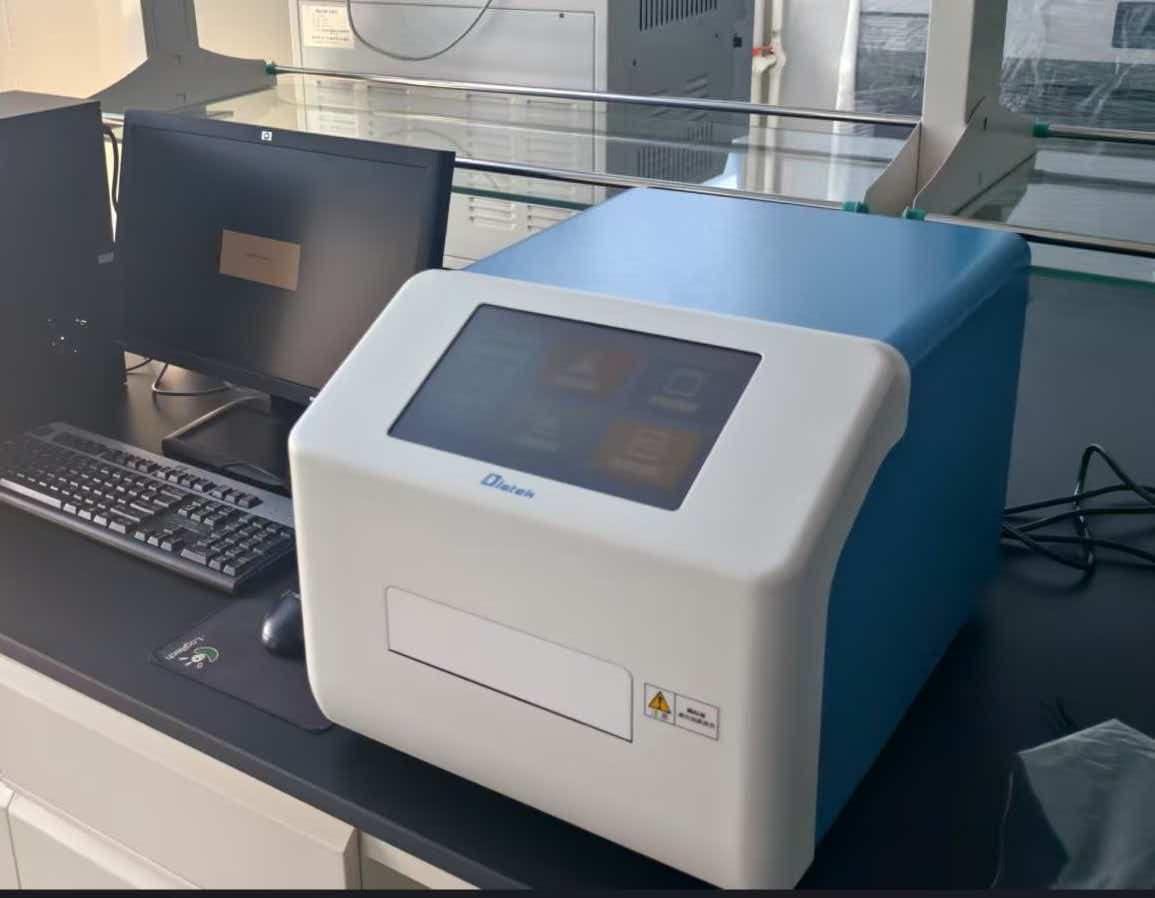
Where a fixed-filter reading setup requires manual plate handling, the DR-5000 features an automatic open/close plate drawer with motorized control for microplate entry and exit, preventing manual handling errors and protecting the optical path. Detection speed reaches 10 seconds for a 96-well plate, with high-speed reading capabilities of 16.5 seconds for continuous 96-well reading.
Environmental control matters for kinetic assays. The built-in incubation module maintains temperature from room temperature +4°C up to 45°C, ensuring stability for temperature-sensitive biological reactions, while multi-speed shaking in linear and orbital modes across three speed settings optimizes sample mixing and prevents liquid spilling.
Technology Platform and Usability
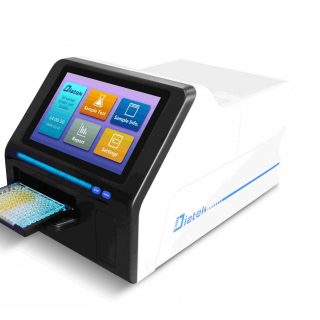
Diatek integrates an Android-based instrument control platform — specifically Android 5.1 — into laboratory hardware, paired with a 10-inch capacitive color LCD. This provides smartphone-like touch operation and a visual workflow design, moving users through Layout → Analysis → Processing without a steep learning curve. The visual workflow design meets IVD human factors engineering standards.
Data Capabilities and Compliance
- Real-time endpoint and kinetic data analysis with built-in calibration methods including Log-Log, Power, Polynomial, and other models.
- 4-Parameter Logistic (4PL) regression, spectral scanning, kinetic data analysis, and multiple linear and non-linear regression modeling.
- FTP service support enabling PC software to upload and download detection data.
- Data export formats including TXT, PDF, Word, and Excel.
- Password-protected user login for instrument access.
- SSL encryption and PCI DSS data protection protocols applied to transaction and data security.
Platform Compatibility and Delivery Model
The system supports USB-A and USB-B interfaces, and is compatible with U-disks, USB printers, and peripheral input devices such as a keyboard or mouse. Deployment options include standalone Android operation, PC-connected control, and USB-based data transfer. Installation is rapid, with the system initializing through an automated startup check that reports color-coded status indicators — Blue for normal, Yellow for error. The instrument ships with the pre-installed Android system and optional PC-side control software, complemented by Diatek Microplate Analysis Software.
Applications and Industry Fit
- Life Sciences: DNA/RNA quantification with a 2 ng/µl detection limit, plus protein assays.
- Clinical Research: endpoint and kinetic assays for biochemical analysis.
- Chemical Testing: turbidity studies and spectral scanning.
- Education and Healthcare: academic research laboratories and healthcare laboratories.
Customer types include provincial laboratories, university research centers, diagnostic test manufacturers, and international laboratory equipment distributors. Diatek maintains an established trade and distribution presence across North America (USA), South America (Brazil, Chile), and the Middle East and Africa (UAE, Algeria), alongside Peru.
Choosing Between the Two Approaches
A spectrophotometer remains well suited to workflows centered on individual samples and broad spectral characterization in cuvette formats. A microplate reader becomes the more appropriate platform when the laboratory runs multi-assay, multi-sample workflows requiring parallel reading, incubation control, kinetic monitoring, and consolidated data reporting. The DR-5000 series was developed precisely along this trajectory, evolving from standard reading toward the “Pro” version with enhanced transmittance accuracy and stray light control.
Service, Support, and Assurance
Diatek’s service model combines hardware provision with Diatek Microplate Analysis Software, available for standalone use or PC-connected operation. Support covers technical installation guidance, sample handling advisory, training, and maintenance. Assurance terms include a 1-year free repair warranty, lifetime maintenance availability, technical support for software updates and instrument calibration, and a 5-year product lifespan commitment. Transactions through the Alibaba.com international portal are Trade Assurance verified, providing order refund and shipping protection, with tiered pricing for the standard (DR-5000) and professional (DR-5000Pro) models.
The Bottom Line
The difference between a spectrophotometer and a microplate reader ultimately comes down to how a laboratory manages sample volume, wavelength range, and data workflow. For organizations that need full-spectrum flexibility from 190–1100 nm, automated plate handling, incubation control, and integrated Android-based analysis, Diatek’s DR-5000 series represents a structured, certification-aligned route to higher throughput and reproducible photometric results.

Reviews
There are no reviews yet.