
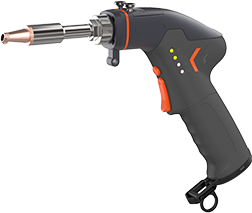
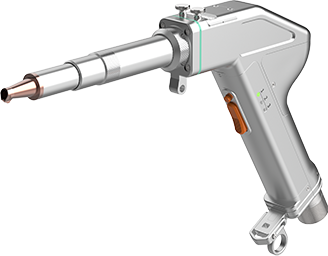
SUP53T vs SUP36T: Choosing the Right High-Performance Laser Welding Head
SUP53T vs SUP36T: Choosing the Right High-Performance Laser Welding Head
In the rapidly evolving landscape of industrial laser welding technology, selecting the appropriate welding head can significantly impact production efficiency, weld quality, and overall operational costs. Among the advanced solutions available in the market, two models stand out for their innovative features and robust performance: the SUP53T and SUP36T handheld laser welding heads. Both represent cutting-edge four-in-one systems, yet each serves distinct industrial requirements through carefully engineered specifications and capabilities.
Understanding Power Class Differentiation
The most fundamental distinction between these two models lies in their power classifications. The SUP53T operates at 6000W, positioning it as a high-power configuration designed for demanding applications involving thick plate materials. This substantial power output translates to stronger laser output, greater penetration depth, and faster welding speeds. Industries working with heavy-gauge metals or requiring deep weld penetration find the SUP53T’s capabilities particularly advantageous, as it can handle thick plates with ease while significantly improving production efficiency.
In contrast, the SUP36T operates at 3000W, making it ideally suited for medium-duty applications. While its power output is half that of the SUP53T, this specification perfectly addresses the needs of manufacturers working with standard thickness materials who require reliable, consistent welding performance without the infrastructure demands of ultra-high-power systems. The 3000W classification provides an optimal balance between capability and operational practicality for a wide range of industrial welding scenarios.
Optical System Architecture and Performance
The optical configurations of these welding heads reveal further differentiation in their intended applications. The SUP53T features larger optical components: a D20 F75mm collimating lens, D25×3mm protective lens, and D25 F200mm focusing lens. This larger optical architecture accommodates the higher power output while maintaining beam quality and focus precision. The system offers a vertical focusing range of ±15mm and a light spot adjustment range from line 0-12mm, providing operators with substantial flexibility in adapting to various workpiece geometries and welding requirements.
The SUP36T utilizes a more compact optical system: a D16 F60mm collimating lens, D18×2mm protective lens, and D20 F150mm focusing lens. With a vertical focusing range of ±10mm and spot adjustment range from line 0-8mm, this configuration delivers precise control appropriate for its power class. The smaller optical components contribute to reduced overall weight while maintaining the optical performance necessary for quality welds in its operational envelope.
Ergonomics and Weight Considerations
Weight becomes a critical factor in handheld laser welding operations, particularly during extended production shifts. The SUP53T weighs approximately 0.89kg, a remarkably manageable weight given its 6000W power capability. This achievement represents sophisticated engineering that balances structural integrity, thermal management, and operator comfort.
The SUP36T, at approximately 0.59kg, offers exceptional portability and reduces operator fatigue during prolonged use. The lighter weight stems from both the smaller optical components and the reduced thermal management requirements of the 3000W system. The exterior design has been comprehensively upgraded with an optimized center of gravity and scientifically adjusted front-to-rear weight distribution. The curved grip is precisely engineered to fit the palm arc, featuring anti-slip coating that ensures stable grip and smooth operation throughout extended welding sessions.
Shared Advanced Technologies
Despite their differences, both models incorporate several cutting-edge technologies that represent the current state of the art in handheld laser welding. Both feature version 2.0 Digital Drive Solutions, incorporating the latest generation of digital drive technology that increases oscillation frequency by 30% compared to previous versions. This enhancement enables more precise motor positioning, resulting in improved weld quality and greater consistency across various welding parameters.
The version 2.0 Security Monitoring System represents a complete upgrade in safety features. Both models now employ non-contact temperature measurement technology for lens monitoring, offering higher sensitivity and faster response speeds compared to contact-based systems. This advancement provides early warning of potential thermal issues, protecting both equipment and operators while minimizing unexpected downtime.
Both welding heads feature independent process switching buttons mounted directly on the gun body. This convenient interface allows operators to switch seamlessly among three preset processes, enabling quick adjustments to wire feeding speed, power output, and swing amplitude. This capability proves invaluable when transitioning between different welding scenarios or materials, saving valuable production time and reducing setup complexity.
The mini QBH lock system employed in both models ensures stable and reliable connection between the welding head and the laser source while contributing to overall weight reduction. This standardized connection interface facilitates quick changes and maintenance procedures.
Both models also incorporate upgraded shielded twisted pair wiring in their multi-functional cables. This enhancement delivers significantly stronger anti-interference performance, critical in industrial environments where electromagnetic noise from various machinery can compromise signal integrity and system reliability.
Cooling and Operational Parameters
Both the SUP53T and SUP36T utilize water cooling systems to manage thermal loads effectively. The recommended air flow rate for both models ranges from 10-15L/min, ensuring adequate protective gas coverage during welding operations. Both are optimized for laser wavelengths of 1070±10nm, the standard output of fiber laser sources commonly used in industrial applications.
Application Scenarios and Selection Guidance
The choice between these two models should be driven by specific operational requirements. The SUP53T excels in heavy industrial applications requiring deep penetration welding of thick plates, high-speed production environments, and scenarios where weld strength and penetration are paramount. Industries such as heavy machinery manufacturing, structural steel fabrication, and shipbuilding benefit significantly from its 6000W capability.
The SUP36T serves excellently in general manufacturing contexts involving standard material thicknesses, precision component fabrication, and applications where equipment portability and operator comfort are significant considerations. Its lighter weight and comprehensive ergonomic design make it particularly suitable for varied production environments and smaller-scale operations.
Technical Support Infrastructure
Both products are supported by comprehensive technical infrastructure and can be integrated with various control systems and wire feeding solutions. The applicable wavelength specification of 1070±10nm ensures compatibility with mainstream fiber laser sources, while the standardized mini QBH connection facilitates integration into existing production lines.
Conclusion
The SUP53T and SUP36T represent two distinct approaches to handheld laser welding, each optimized for specific industrial requirements. The SUP53T delivers uncompromising power and penetration capability for demanding heavy-duty applications, while the SUP36T provides an ideal balance of performance, portability, and ergonomic excellence for general manufacturing environments. Both incorporate advanced digital drive technology, enhanced security monitoring, and user-friendly process switching capabilities that represent the current pinnacle of handheld laser welding technology. Understanding the operational requirements, material thicknesses, production volumes, and ergonomic considerations of your specific application will guide the optimal selection between these two exceptional welding systems.
Related products
-
Contact Us
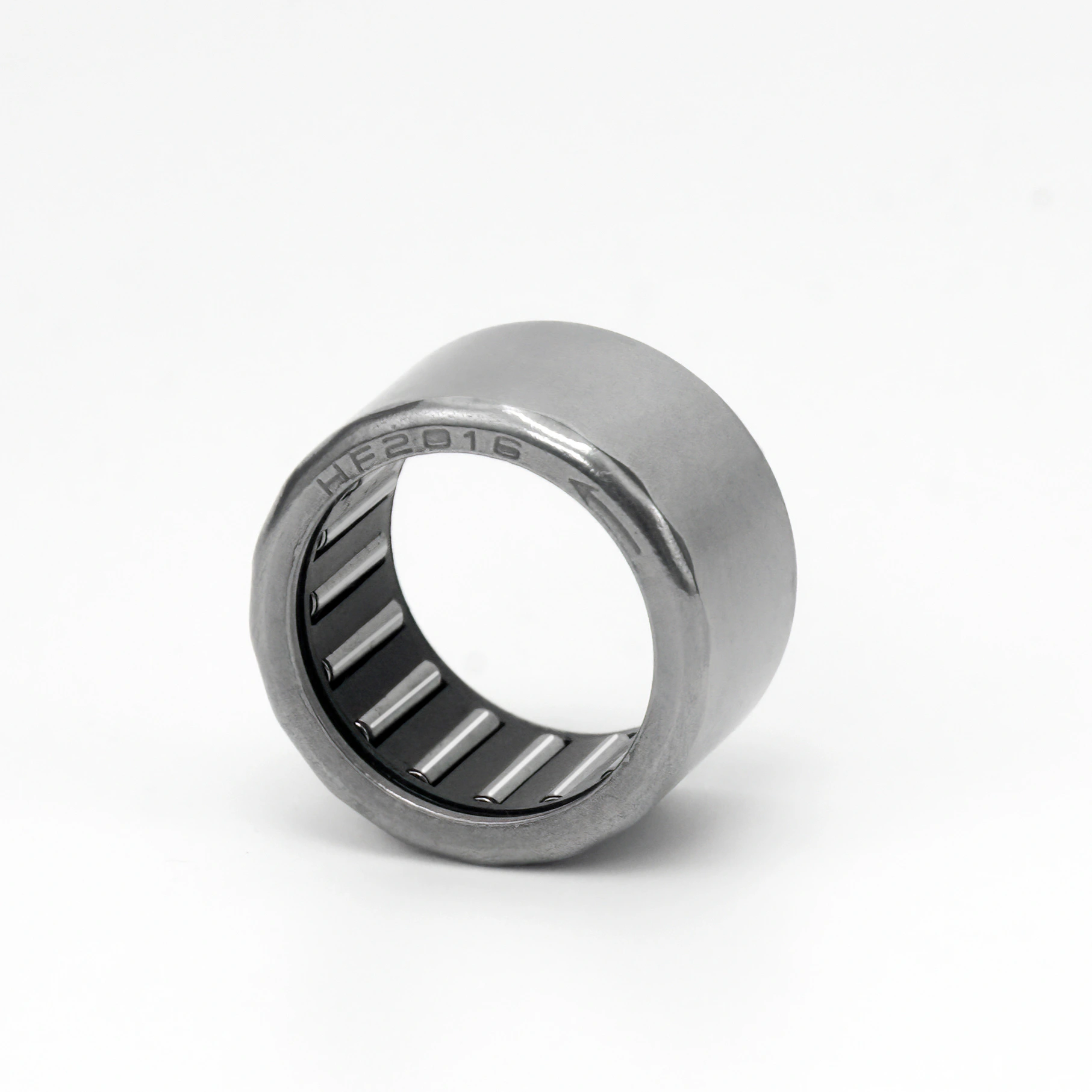
Precision:ABEC-1,ABEC-3
Material:Chrome steel ,stainless steel,drawn cup
Lubrication Brand:Kyodo,Shell
OEM service:Custom Bearing size,logo,packing
Certifications:ISO9001 or IATF 16949
Payment terms:T/T, L/C, D/A,D/P,Western Union
Capacity:2 million pcs
Delivery time:1 week for sample, 30-45days for mass production
Packing details:rolled in pastic paper+plastic bag+carton -
Contact Us
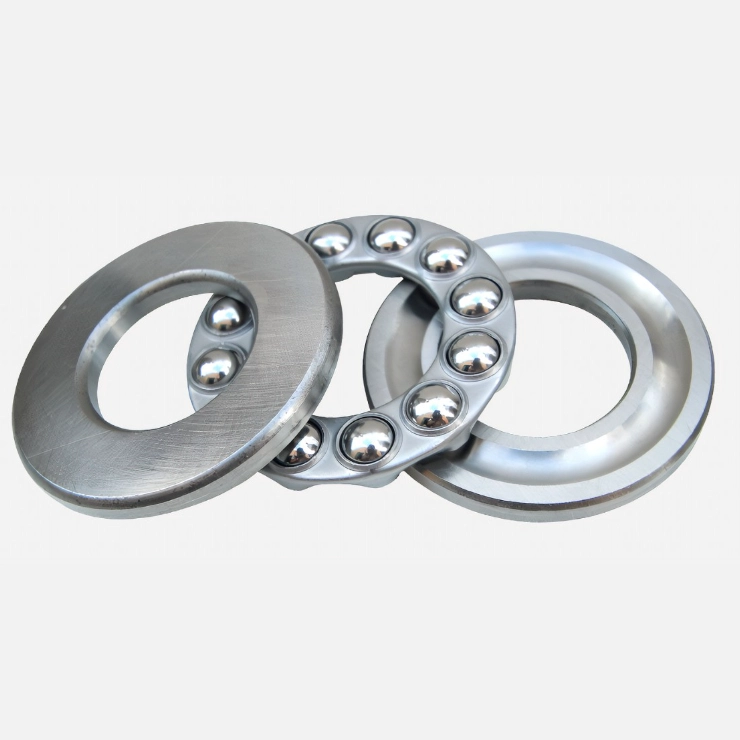
Precision:ABEC-1,ABEC-3
Material:Chrome steel,stainless steel
OEM service:Custom Bearing size,logo,packing
Certifications:ISO9001 or IATF 16949
Payment terms:T/T, L/C, D/A,D/P,Western Union
Capacity:500,000pcs
Delivery time:1 week for sample, 30-60days for mass production
Packing details:rolled in VCI paper+plastic bag+carton
Reviews
There are no reviews yet.