
SWT 9/12/15mm Brass Piezo Element: Specs, Uses, and Sourcing
GD SWT SMART
Understanding the SWT 9/12/15mm Brass Piezo Element Search
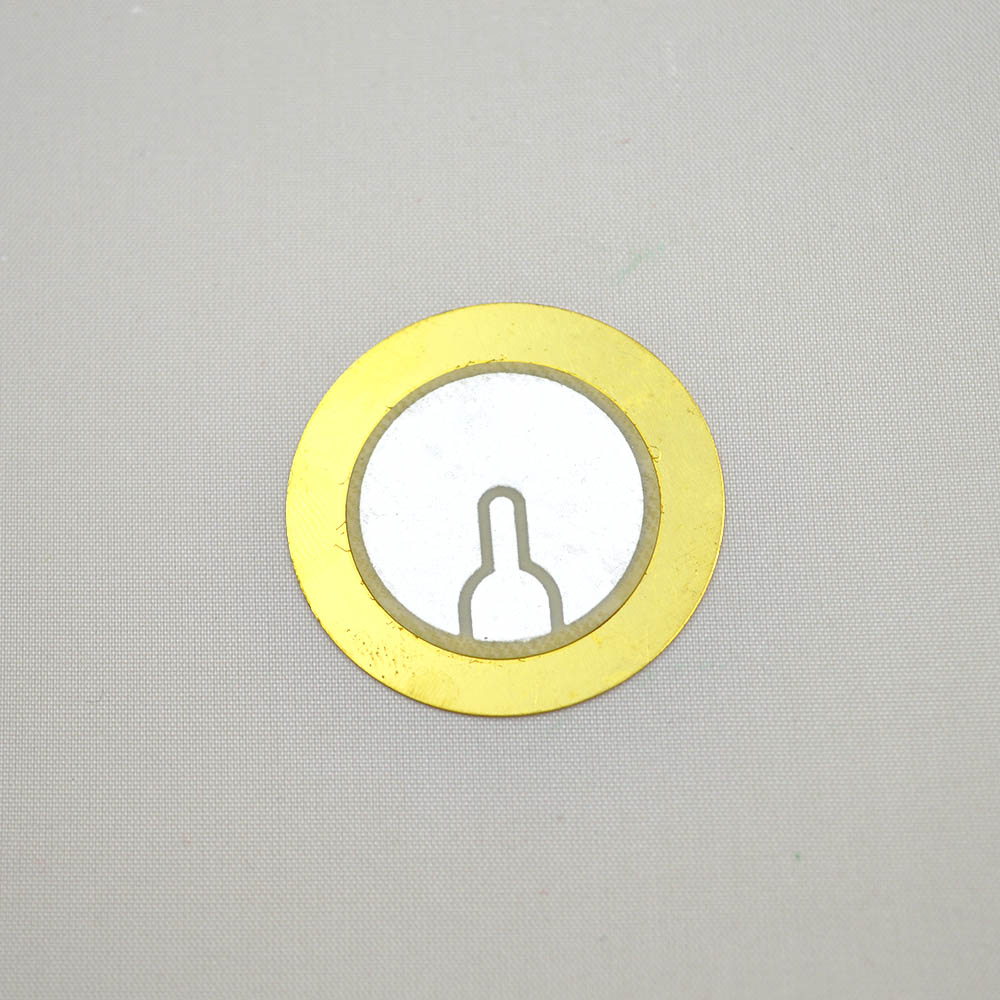
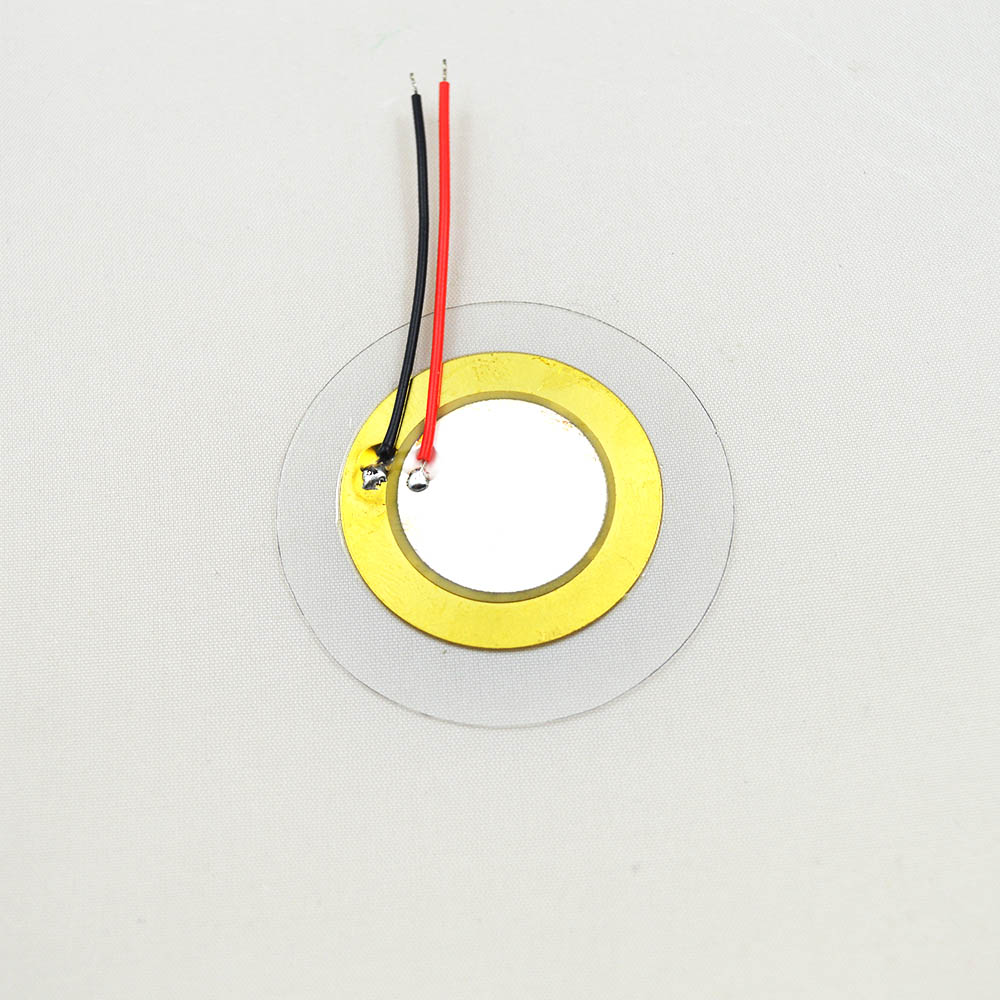
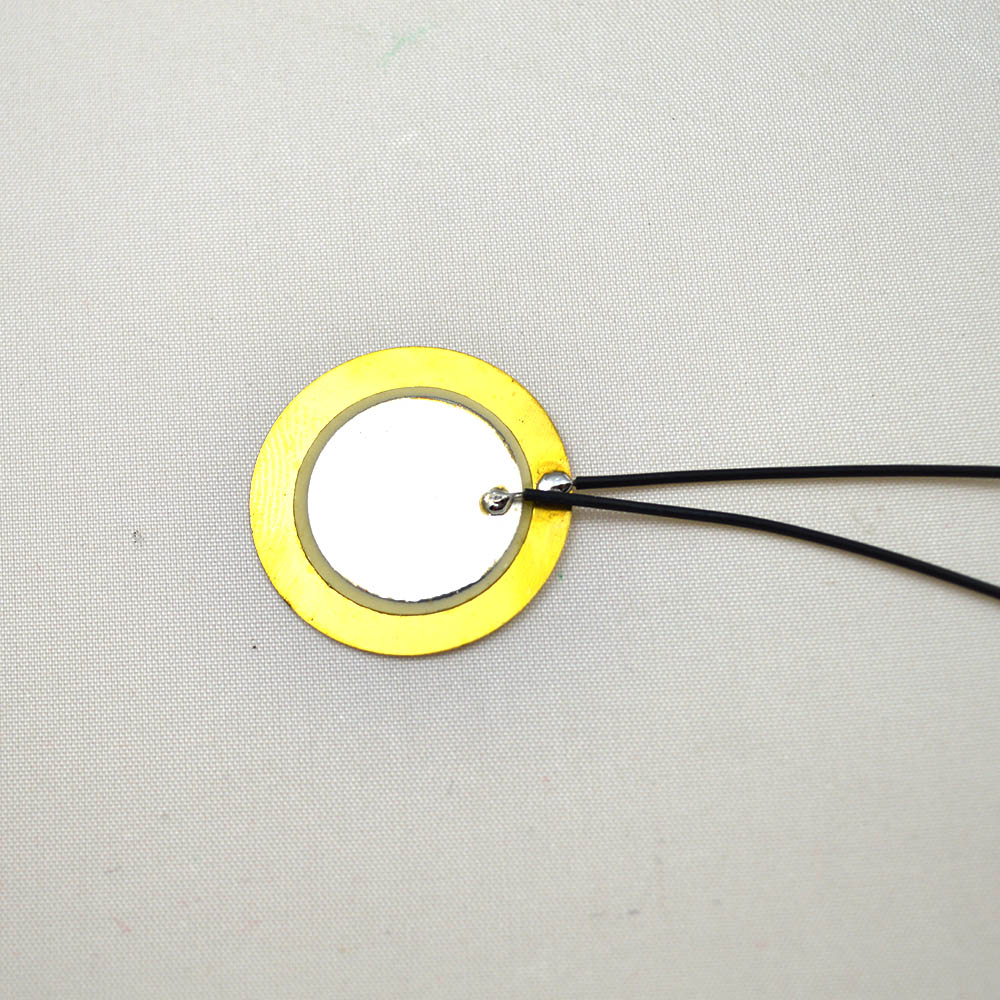
Buyers and design engineers searching for a SWT 9/12/15mm brass piezo element are usually looking for a piezoelectric diaphragm or disc that fits a tight mechanical envelope, draws minimal current, and holds a stable resonant frequency across the life of a device. Within the portfolio of Gd SWT Smart Tech Co., Ltd. (Dongguan Sweetsound), those requirements map directly to the Piezoelectric Ceramic Elements line, whose stated positioning is "core components for acoustic transduction and sensing."
SWT’s history in this field is not recent. Professional buzzer production and technology accumulation began in 1991, before the establishment of the SWT-branded entity, and the SWT brand was registered in 2002 after the operation moved to Dongguan City, Guangdong Province. That continuity matters in a category where material consistency, rather than a single sample, determines whether a piezo element performs in mass production. The company describes itself as a professional acoustics solution provider and a high-tech enterprise specializing in the R&D, manufacture, and marketing of electronic ceramic materials, smart materials, and electroacoustic transducer components.
What the Piezoelectric Diaphragm and Disc Line Offers
Product line positioning: core components for acoustic transduction and sensing.
Stated features: ultra-thin construction, low power consumption, and stable frequency output.
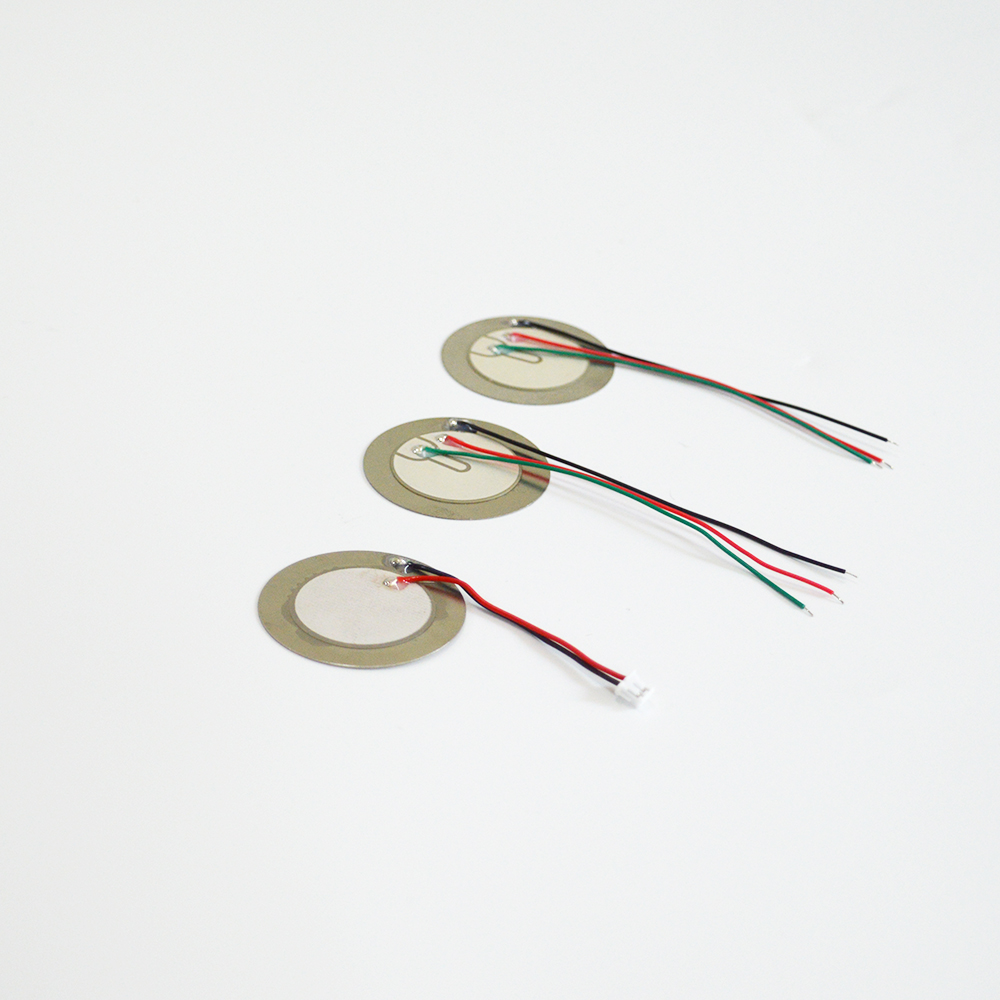
Technical highlights: the range offers soft and hard ceramic material options together with diverse electrode patterns, including double-sided and single-sided configurations. This combination allows a designer to trade sensitivity against drive requirements without altering the mechanical footprint of the finished assembly.
Key models documented for this family: 3B12+9.0TEAWC (12mm), 3S27+3.9EA (27mm), and 3B35+2.6EA (35mm). The 12mm part sits at the center of the 9mm-to-15mm band that most inquiries target, while the 27mm and 35mm elements serve applications where displacement or acoustic output matters more than package size.
The Material Systems Behind the Element
A diaphragm is only as predictable as the ceramic it carries, and SWT publishes its material roadmap openly, including which grades are in volume production.
PZT — Mid-temperature reference material (regular mass production): described as the core foundational system in the field of mid-temperature piezoelectric applications. Its differentiated value is process maturity: a classic perovskite structure with excellent comprehensive piezoelectric properties, providing stable foundational application support.
BSPT — High-temperature enhanced type (no mass production yet): a relaxor ferroelectric system that combines a high Curie temperature with piezoelectric activity, addressing the service-temperature limitation of traditional PZT.
CBT — Ultra-high temperature resistant type (no mass production yet): developed for extreme operating conditions, with a Curie temperature (TC) of approximately 780°C, maintaining thermal stability and insulation in extreme environments.
C6BTNM-10x (no mass production yet): a lead-free piezoelectric ceramic composition whose piezoelectric coefficient (d33) reaches 28.1 pC/N, more than three times higher than traditional systems.
High-performance GaW-BSPT ceramics (no mass production yet): a system that addresses the trade-off in which a high Curie temperature accompanies a low piezoelectric coefficient. Across the range from room temperature to 365°C, the d33 variation rate is controlled within ±15%.
Manufacturing Depth and Process Control
SWT’s stated advantage includes an integrated supply chain with comprehensive control over the front, middle, and rear processes of piezoelectric ceramic production, including film squeezing, casting, and dry pressing. Annual shipping capacity for piezoelectric ceramic elements is approximately 250 million pieces, and the company reports the largest production capacity in mainland China for specific piezoelectric components, with annual output documented at that same figure.
Process control is supported by a set of named systems:
- Key Manufacturing Process Optimization System — applies neural networks to optimize sintering and polarization parameters, establishing a dynamic process–microstructure–performance correlation model.
- High-performance Composition Intelligent Design Platform — performs data-driven high-throughput screening, converging "from a ten-thousand-level library to hundred-level candidates" and shortening the experimental verification cycle from months to weeks.
- Intelligent Piezoelectric Ceramic Manufacturing System — a production line with a "perception-decision-execution" closed loop that integrates the Industrial Internet and edge computing for quality consistency.
- In-situ Sintering Shrinkage Testing System — an integrated laser displacement sensor providing contactless dimension monitoring from room temperature to 1250°C at a sampling frequency of 1 Hz.
- Piezoelectric Ceramic Microstructure Information Extraction Technology — a computer vision system based on the YOLOv8 algorithm that automatically exports grain equivalent diameter, roundness, and distribution density.
- Embodied Intelligent Agent for Piezoelectric Ceramic Powder Weighing — batching precision of ±0.05%, with an average prediction error of 1.60% and no manual operation errors.
Certifications, Standards, and Intellectual Property
The company holds IATF 16949:2016 automotive quality management certification, obtained in 2023, alongside ISO 9001:2015 and ISO 14001:2015, with RoHS and REACH compliance for all products. Its intellectual property portfolio includes 42 certified patents, of which 9 are invention patents and 30 are project-certified patents, plus the registered SWT trademark.
SWT also participates in standardization work: it is documented as a primary drafter of Chinese industry standards for buzzers, ultrasonic atomizers, and piezoelectric sensors. In 2010 the company was appointed to draft local industry standards for piezoelectric and electromagnetic sounders in Guangdong Province, and the buzzer industry standards it drafted received official approval and publication in 2012.
Evidence From Long-Term Customer Relationships
- Automotive and consumer electronics — Panasonic and Sanyo: high-stability automotive-grade buzzers, with a stable supply relationship maintained for over 18 years (since 2005 and 2007) and zero-defect quality performance supporting global automotive safety standards.
- Consumer electronics — VTech: a manufacturer of corded and cordless telephones and electronic learning products; continuous cooperation since 2004, enabling quality audio feedback in consumer devices.
- Home appliances — Whirlpool: a manufacturer of home appliances; persistent supply since 2010 of customized acoustic solutions for premium appliance lines.
- CASIO: a partnership spanning over 15 years.
Documented additional clients include Reckitt, Dyson, and Chamberlain Group. Customers cite "professional problem-solving," "excellent quality," and "strong service awareness" as reasons for long-term partnerships.
Service Model, Lead Times, and Technical Support
SWT operates through one-on-one technical service solutions and customized product development (OEM/ODM), covering technical consulting, design optimization, reliability testing, and mass manufacturing. Documented delivery capability includes a sample lead time of 3–7 days, a bulk production lead time of 15–20 days, and 24-hour on-site response within the Pearl River Delta region. An in-house reliability laboratory supports acoustic curve testing and environmental stress screening.
Practical Selection Questions for Buyers
- Which ceramic class fits the operating temperature? Mid-temperature PZT is the volume-production baseline, while BSPT and CBT extend service temperature upward and are documented as not yet in mass production.
- Soft or hard ceramic? The diaphragm and disc line offers both, which affects drive voltage and acoustic output.
- Which electrode pattern? Double-sided or single-sided electrode configurations change assembly and contact design.
- Is a lead-free option required? C6BTNM-10x is the documented lead-free composition, and lead-free availability is also noted in the microporous atomizer line at higher cost than regular PZT.
- Does the application require automotive-grade process discipline? The IATF 16949:2016 certification and the in-house reliability laboratory are the relevant markers.
Summary
For a buyer evaluating the SWT 9/12/15mm brass piezo element category, the relevant facts are documented rather than asserted: an origin in piezo production dating to 1991, a 12mm key model within the piezoelectric diaphragm and disc family offering soft and hard ceramic options and multiple electrode patterns, approximately 250 million pieces of annual shipping capacity for piezoelectric ceramic elements, IATF 16949:2016 certification, and customer relationships with Panasonic, VTech, and Whirlpool measured in decades. Supporting these are an integrated front-to-rear process chain, named process-control systems for sintering, grain analysis, and powder weighing, and a material roadmap that moves from the mature PZT baseline toward high-temperature and lead-free systems.
Reviews
There are no reviews yet.