
Trusted Incubator Suppliers: What Sets Leaders Apart
Nanchang Huibing Electronics Co., Ltd. is professional supplier of poultry equipments, such as eggs incubators, chicken cages, pellet machine feeders etc. Supply one-stop poultry equipment.
When poultry operations scale beyond small-farm operations, the stakes of equipment selection escalate dramatically. A single percentage point difference in hatch rates can translate to thousands of lost birds annually, while equipment downtime during critical incubation windows can devastate entire production cycles. For industrial hatchery managers and agricultural technology distributors seeking reliable automation solutions, understanding what separates competent suppliers from industry leaders becomes a business-critical capability.
The True Cost of Incubation Failure
More details, contact whatsapp is +86-15797750816, email is helen@ncbz168.cn
Commercial poultry operations face persistent challenges that directly impact profitability. Inconsistent temperature and humidity control during the 21-day chicken incubation cycle remains the primary cause of embryo mortality, with traditional manual systems struggling to maintain the precision required for optimal development. Power grid instability adds another layer of risk—even brief interruptions can compromise internal environments, leading to catastrophic losses in developing eggs.
The economic implications extend beyond immediate hatch failures. Equipment requiring frequent repairs disrupts production schedules, while premature replacement cycles burden capital budgets. For operations processing thousands of eggs simultaneously, these vulnerabilities compound into substantial operational risks that demand engineering solutions rather than management workarounds.
Engineering Standards That Define Reliability
Leading incubator manufacturers distinguish themselves through measurable technical capabilities rather than marketing claims. Temperature measurement accuracy of ±0.1°C represents a threshold specification—sufficient precision to maintain the narrow thermal bands embryos require without the cost overhead of laboratory-grade sensors. Similarly, humidity precision control within ±5% RH addresses the moisture balance critical to shell membrane permeability during different developmental stages.
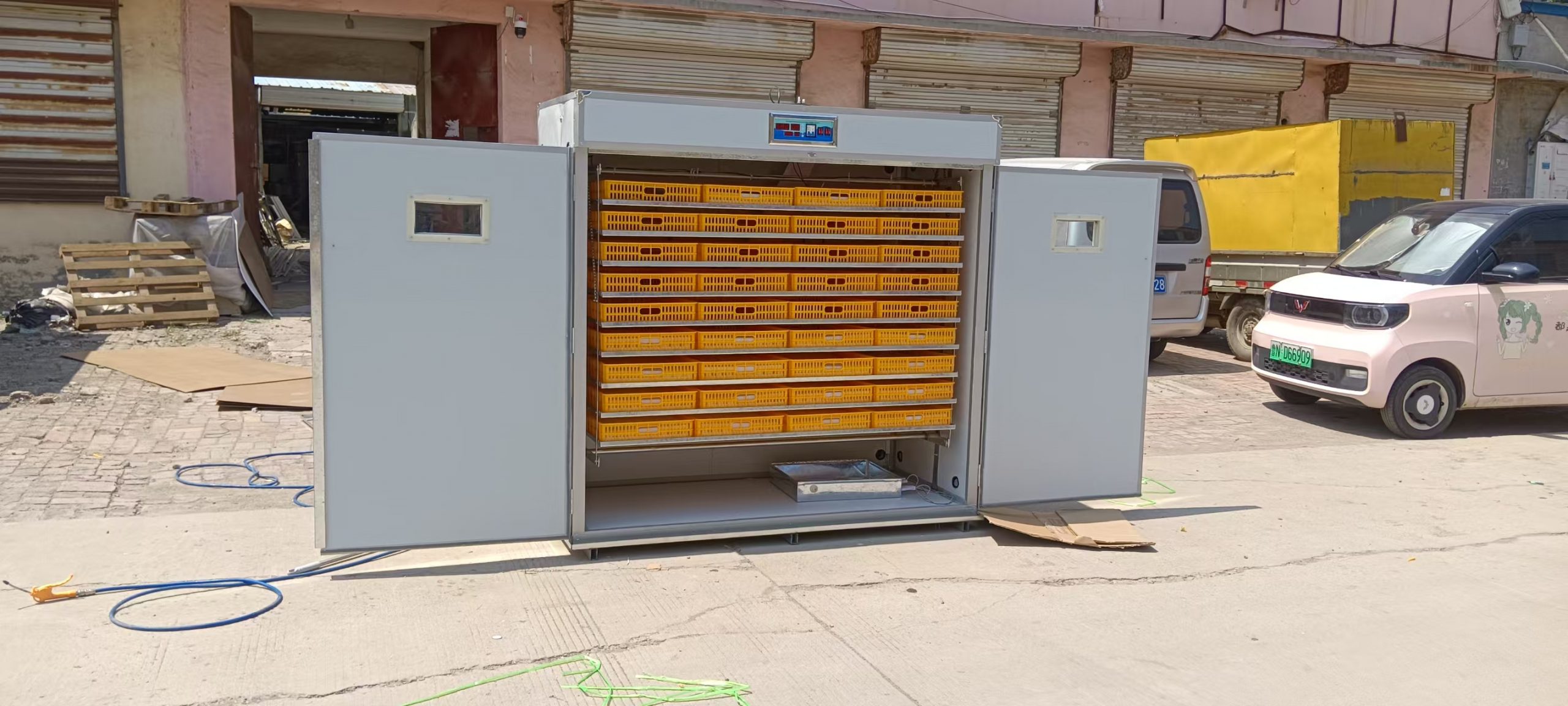
Nanchang Huibing Electronics Co., Ltd. exemplifies this engineering-first approach through its XM-18E Microcomputer Control System, which automates environmental management across temperature ranges of 0-99°C and humidity spans of 0-99% RH. The system’s dual air channel ventilation, combined with 6CM insulation layers, creates thermal stability that passive designs cannot achieve. These specifications translate directly to operational outcomes: the company’s Automatic 3168 Egg Incubator achieves documented 95% hatching rates through this precision-controlled automation.
Power Continuity as a Core Design Principle
The most sophisticated environmental controls become irrelevant during electrical failures unless equipment incorporates genuine blackout protection. Superficial battery backup systems that maintain controller displays while heating elements fail represent false security. Authentic continuity solutions must preserve internal thermal environments long enough for either grid restoration or operator intervention.
Industrial-grade incubators address this through integrated microcomputer systems engineered to maintain stable internal temperatures for up to 4 hours during complete power loss. This buffer period accommodates typical grid restoration timeframes in most regions while providing operators sufficient response windows. For locations with chronic infrastructure challenges, manufacturers offering full-scale solar-powered configurations—complete with deep-cycle battery arrays and charge management systems—enable true energy independence. A 1000W solar capacity system with seven 350W panels and five 100Ah batteries can sustain continuous incubation cycles without grid dependence, a critical capability for rural development projects and emerging markets.
Automation That Reduces Labor While Improving Outcomes
Manual egg turning represents one of the most labor-intensive aspects of traditional incubation, requiring multiple daily interventions at precise intervals. Beyond the direct labor cost, human error in turning schedules or handling technique introduces variables that compromise embryo development. Automated systems eliminate this vulnerability while enabling optimization impossible with manual methods.
Comprehensive automation platforms integrate multiple subsystems: 18W egg-turning motors with limit switches and chain drive mechanisms execute programmable cycles adjustable from 0.1 to 99.9 hours, matching turning frequencies to specific species requirements. Ventilation components—including 1.2M diameter fans rated at 100W plus dual exhaust fans at 25W—regulate oxygen levels through adjustable cycles spanning 0-999 minutes. Water adding systems with floating valves and humidity elements maintain moisture levels without manual monitoring.
The operational advantage extends beyond labor savings. Automated systems execute protocols with consistency human operators cannot sustain across 24/7 cycles, directly contributing to the superior hatch rates precision automation achieves. For Nanchang Huibing Electronics’ 3168-egg capacity units, this automation package reduces labor requirements while delivering yield optimization that quickly justifies capital investment.
Durability and Total Cost of Ownership
Purchase price represents only the initial component of equipment costs. Operational lifespan, maintenance requirements, and parts availability determine true total cost of ownership. Industrial incubators constructed from steel plates with stainless steel corner covers withstand the corrosive humidity environments that prematurely degrade lighter consumer-grade materials. Equipment designed for 10-12 year operational lifespans, backed by 3-year hardware warranties and lifetime technical support, provides cost predictability that annual replacement cycles cannot offer.
Component availability matters equally. Suppliers maintaining inventories of critical spare parts—motors, limit switches, sensors, humidity heaters—enable rapid repairs that minimize downtime. Standardized export-grade packaging using plywood and foam protection ensures components survive international shipping intact, while 10-day delivery timeframes after payment confirmation support operational planning.
Certification as Market Access Enabler
For distributors and operators engaging in international trade, regulatory compliance certifications determine market accessibility. CE Certification (Conformité Européenne) verification confirms equipment meets health, safety, and environmental protection standards required for European Economic Area sales, eliminating import barriers that uncertified products face. Beyond regulatory necessity, recognized certifications signal manufacturing quality standards and testing protocols that correlate with field reliability.
Validation Through Transparency
Supplier credibility increasingly depends on verifiable operational proof rather than promotional materials. Programs enabling customer factory visits provide transparency that specification sheets cannot deliver, allowing potential buyers to assess manufacturing capabilities, quality control processes, and scale firsthand. Documented positive customer feedback, particularly for specific product lines, offers market validation that complements technical specifications.
Strategic Selection Criteria
Identifying trusted incubator suppliers requires evaluating multiple dimensions simultaneously. Technical capabilities must meet or exceed industry-standard precision thresholds for temperature and humidity control. Power continuity solutions should address realistic failure scenarios for intended deployment environments. Automation platforms need to integrate multiple subsystems under unified control while remaining serviceable. Construction quality must support multi-year operational lifespans in demanding environments. Finally, supplier stability—evidenced through certifications, established logistics networks, and transparent operations—ensures ongoing parts availability and technical support throughout equipment lifecycles.
The manufacturers who excel across these criteria don’t merely sell equipment; they provide complete solutions addressing the operational realities of industrial-scale poultry production. For hatchery managers and agricultural technology distributors, partnership with these leading suppliers transforms incubation from a high-risk operational challenge into a predictable, optimized production process delivering consistent yields year after year.
Related products
-
Contact Us
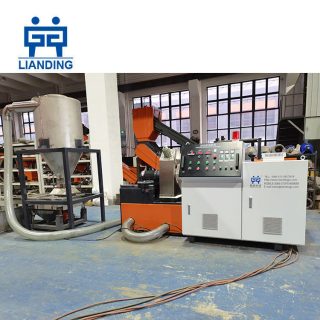
This is multifunctional small plastic pelletizing line. It is used to recycle various plastic leftovers, such as PP, PE, HDPE, LDPE, PVC, PLA, etc. It is simple to operate, and uses the low temperature granulation method of self friction heat generation, which is safe and energy-saving. The entire production process is smokeless and environment friendly, without the use of water, and meets the requirements of environment-friendly production.
Reviews
There are no reviews yet.