
Why Multi-Species Incubators Dominate 2026 Hatchery Markets
Nanchang Huibing Electronics Co., Ltd. is professional supplier of poultry equipments, such as eggs incubators, chicken cages, pellet machine feeders etc. Supply one-stop poultry equipment.
The global poultry equipment sector has witnessed a fundamental shift toward versatile incubation technology, driven by small-to-medium scale farmers demanding equipment that accommodates multiple bird species without compromising hatch rates. As traditional single-species machines lose relevance, a new generation of adjustable-roller incubators is reshaping operational efficiency standards across agricultural markets. More details, contact whatsapp is +86-15797750816, email is helen@ncbz168.cn
The Multi-Species Challenge in Modern Poultry Farming
Small-scale poultry operations face a persistent dilemma: unstable temperature regulation and species-specific egg size incompatibility in conventional incubation units. Farmers raising chickens, ducks, geese, and pigeons simultaneously have historically required separate machines for each species—a capital-intensive approach that consumes warehouse space and complicates inventory management. The inability to hatch eggs ranging from 2cm pigeon eggs to 8cm goose eggs in a single unit has created operational bottlenecks, particularly for diversified farms serving niche markets.
This challenge intensifies in regions with unreliable power grids. A single power outage lasting 3-4 hours can destroy entire batches of embryos at critical development stages, translating to 20-30% revenue loss per cycle for micro-enterprises operating on thin margins.
Adjustable Roller Technology: The Core Innovation
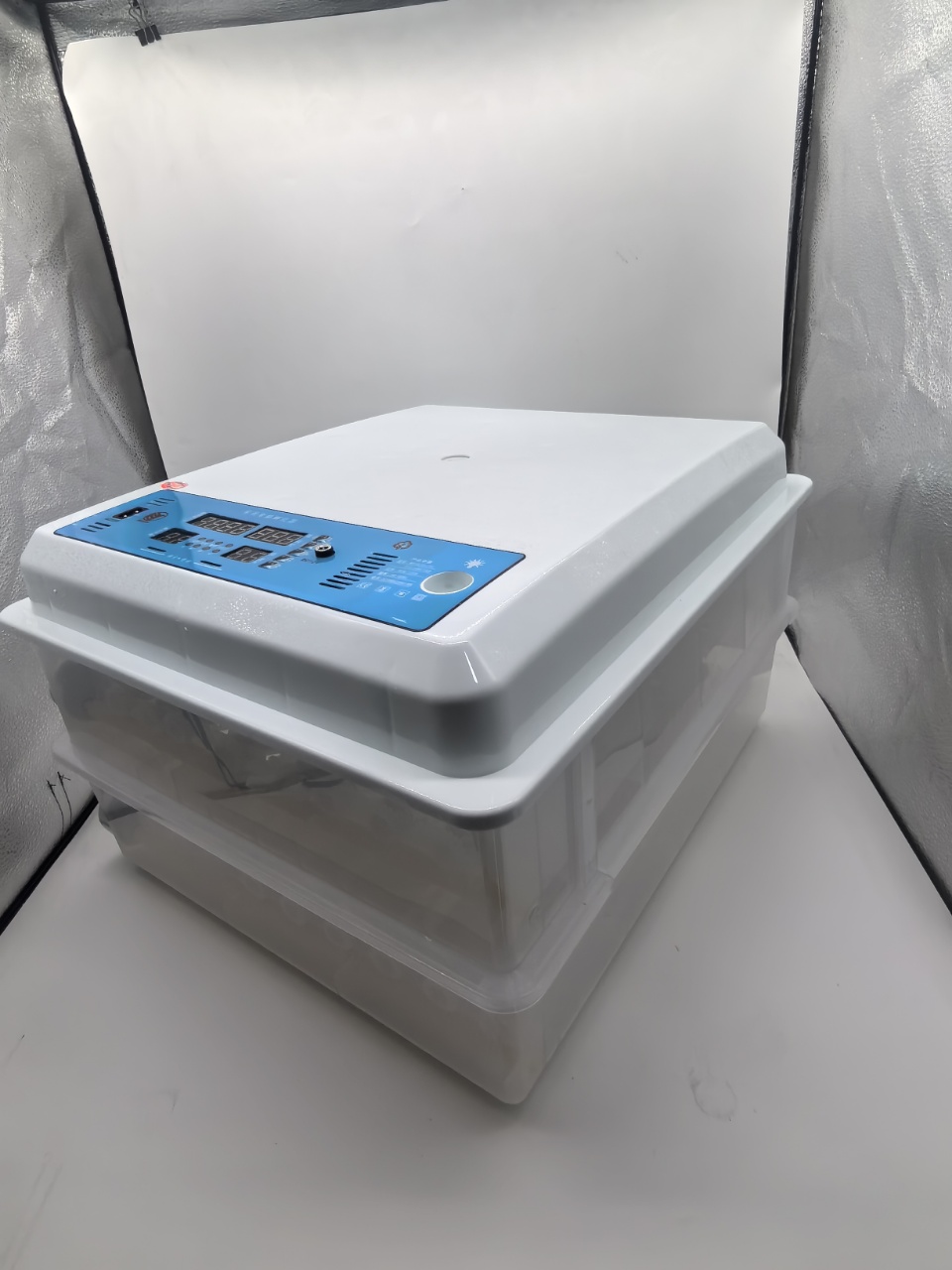
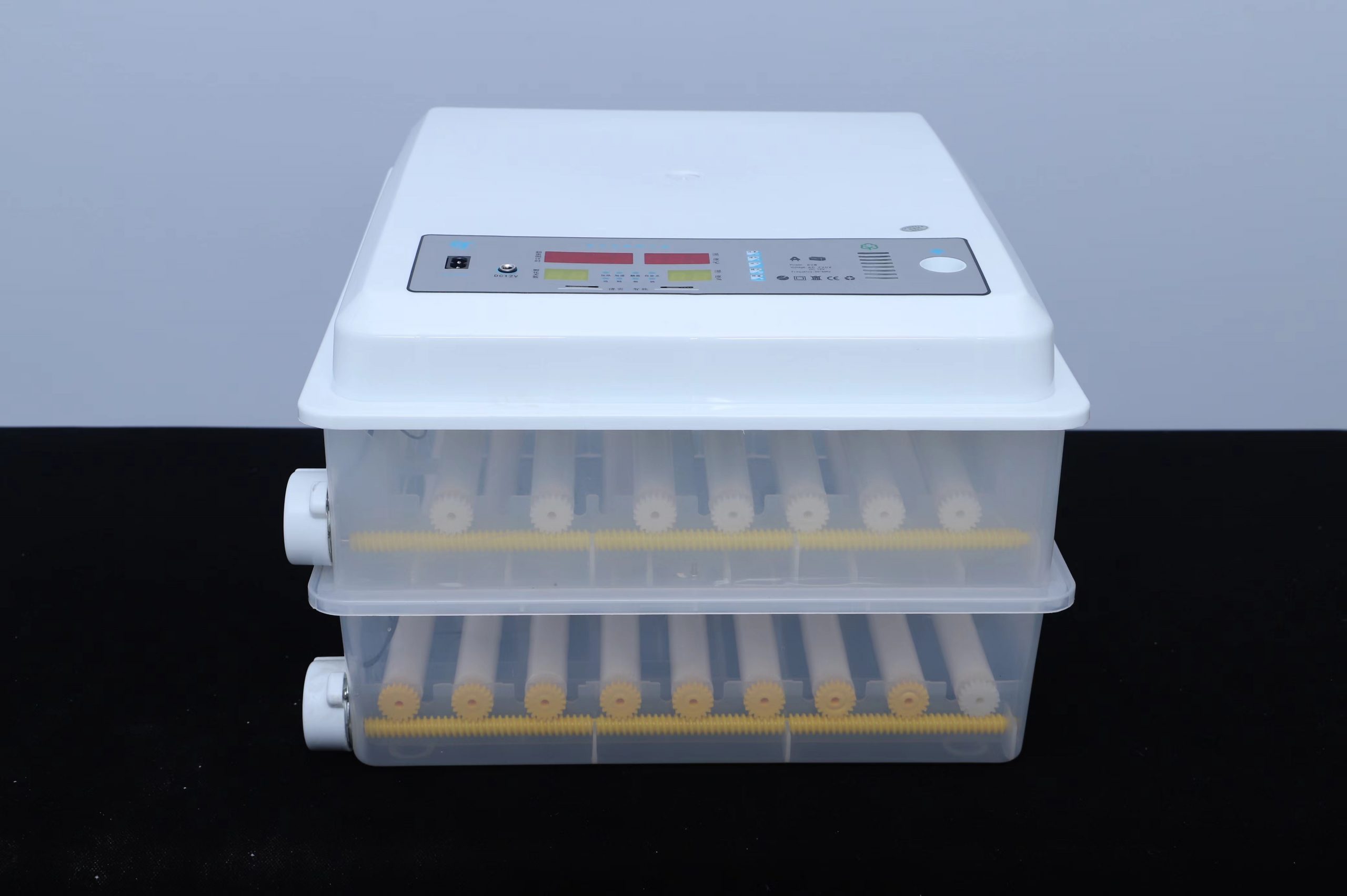
The adjustable roller spacing system represents the engineering breakthrough addressing these pain points. Unlike fixed-grid trays that accommodate only one egg dimension, modular roller mechanisms allow real-time spacing adjustments from 3cm to 9cm intervals. This flexibility eliminates the need for purchasing multiple machine types, reducing capital expenditure by approximately 60% for diversified operations.
Temperature uniformity across multi-layer configurations is achieved through integrated circulation fan systems. Single-layer units employ one 80W fan, while quad-layer models utilize dual 110W fans positioned at opposing airflow angles. This architecture maintains ±0.3°C temperature variance across all trays—critical for synchronized hatching windows that prevent weaker chicks from being trampled during mass emergence events.
The dual-power redundancy option provides automatic switchover between mains electricity and backup sources within 0.5 seconds of detecting voltage drops. This feature has proven essential in agricultural zones where grid stability remains problematic, with field reports indicating 95%+ embryo survival rates during power interruptions when dual-power controllers are deployed.
Modular Scalability: From Hobbyist to Commercial Operations
The market now segments into four distinct capacity tiers, each addressing specific operational scales:
Entry-Level Units (9-48 eggs): Designed for educational institutions and urban hobbyists, these compact models consume 45-80W while occupying less than 0.15㎡ of floor space. The 30×27×17cm mini-unit has gained traction in STEM education programs, where students monitor embryonic development across 21-day cycles. Pricing at $18-23 makes incubation accessible to demographics previously priced out of the market.
Mid-Range Systems (64-130 eggs): This category serves part-time farmers and specialty breed conservationists. The 53×46×23cm black series unit, priced at $25-30, incorporates automated egg-turning motors that rotate trays at 90° intervals every 2 hours—replicating natural brooding behavior while preventing embryo adhesion to shell membranes. The 7-blade high-performance circulation fan in this tier reduces hotspot formation by 40% compared to entry-level models.
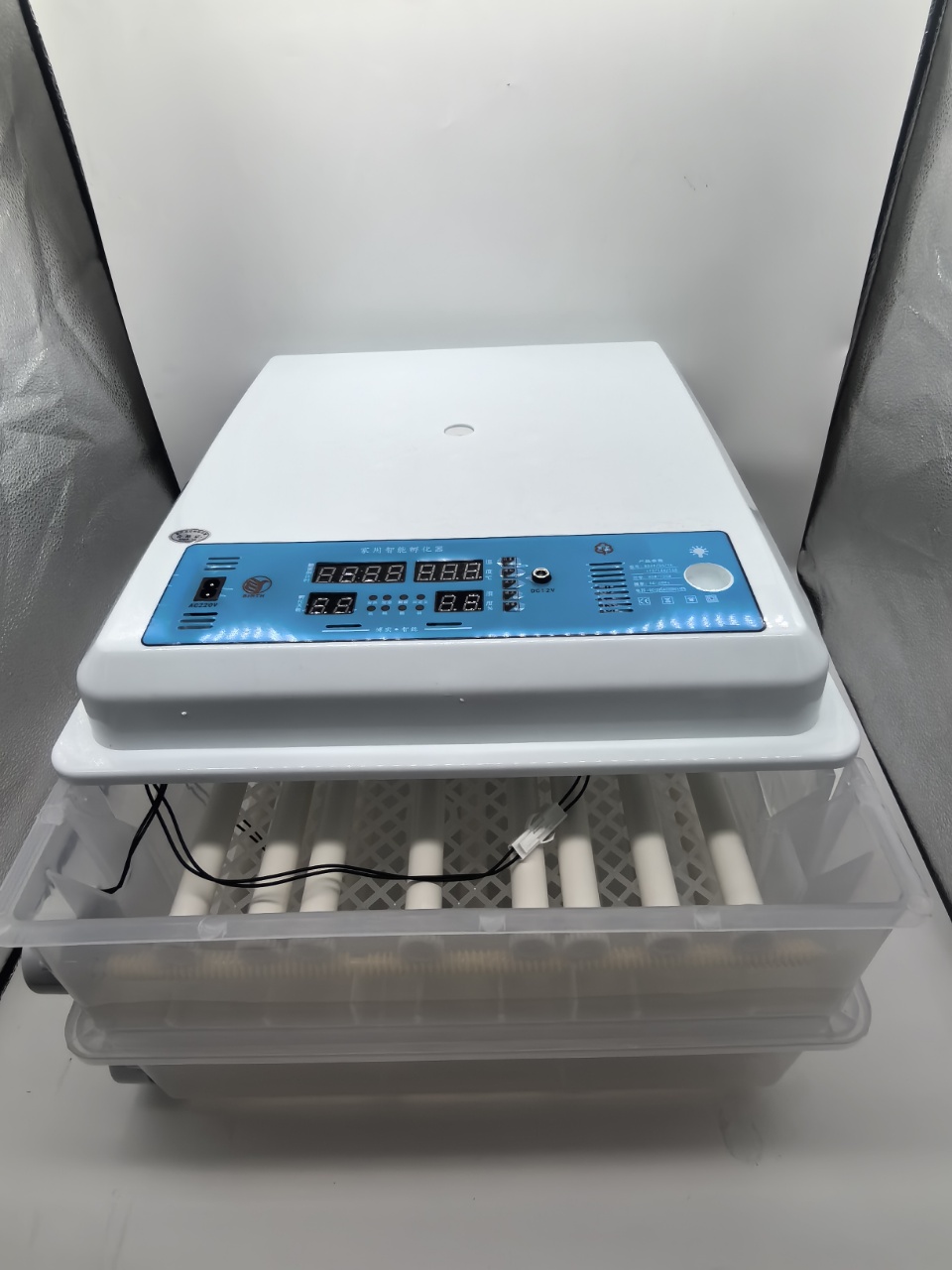
Professional Multi-Layer Platforms (158-210 eggs): White series quad-layer configurations measure 52.5×93×24cm and support simultaneous hatching of up to four different species. At $56-60, these units target commercial breeders requiring consistent weekly outputs of 180-200 chicks. The modular stacking architecture allows incremental capacity expansion—farmers can start with a double-layer unit and add trays as operations scale, preserving initial hardware investments.
Industrial High-Capacity Systems (256-448 eggs): Orange series machines dominate large-scale operations, with the flagship 448-egg model measuring 53.5×53×91cm and consuming 180W. At $120-122, these units deliver per-egg costs of $0.27—a 35% reduction compared to mid-tier alternatives. The 32.6kg weight and reinforced frame accommodate continuous 24/7 operation across 18-month service intervals before requiring heating wire replacement.
Component-Level Serviceability and Total Cost of Ownership
Unlike sealed consumer appliances, modern incubators employ modular component architectures that enable field-level repairs. Critical wear parts include:
- Heating wires: Priced at $2, these nichrome elements typically require replacement after 2,500 operational hours
- Egg-turning motors: $2 stepper motors withstand 10,000 rotation cycles before gear degradation
- Circulation fans: Ranging from $2-7 depending on blade diameter and bearing quality
- Temperature controllers: Single-power units at $8-14 and dual-power variants at $13-15
This serviceability translates to 5-7 year operational lifespans when maintained properly—significantly extending return on investment compared to disposable alternatives with 2-3 year service lives. Farmers in remote areas particularly value the ability to replace a $2 heating wire versus discarding an entire $50 unit due to integrated component failure.
Market Validation Through Operational Metrics
The shift toward adjustable incubation systems reflects broader industry optimization trends. Key performance indicators now prioritized by purchasers include:
Hatch Rate Consistency: Premium units achieve 85-92% hatch rates across mixed-species loads, compared to 70-80% for fixed-tray competitors. This 12-15 percentage point advantage compounds across multiple cycles, generating substantial revenue differentials over 12-month periods.
Energy Efficiency per Egg: High-capacity orange series models consume 0.40W per egg compared to 1.25W for entry-level units—a 68% efficiency gain that reduces operational costs by $15-20 per 1,000 eggs hatched in markets with $0.12/kWh electricity rates.
Species Versatility Index: The ability to simultaneously incubate chicken (21-day cycle), duck (28-day cycle), and goose (30-day cycle) eggs enables farmers to stagger hatch dates and maintain continuous chick inventories—smoothing cash flow volatility inherent in single-species operations.
Strategic Considerations for Equipment Selection
When evaluating incubation platforms, operators should assess:
Power Infrastructure: Facilities experiencing 5+ monthly power interruptions should prioritize dual-power controller options to protect high-value breeder stock
Species Mix: Operations hatching 3+ bird types simultaneously require adjustable roller systems to avoid egg damage from improper tray sizing
Capacity Planning: Modular multi-layer designs provide cost-effective scalability, allowing incremental expansion aligned with market demand rather than committing to oversized industrial units
Serviceability Access: Proximity to replacement parts suppliers impacts total cost of ownership—modular component designs reduce downtime in regions with limited technical support infrastructure
The Convergence of Versatility and Reliability
The current generation of incubation technology demonstrates that species flexibility and operational precision are no longer mutually exclusive. Adjustable roller systems, dual-power redundancy, and modular capacity architectures collectively address the core pain points that have constrained small-scale poultry diversification for decades.
As agricultural operations continue pressuring equipment manufacturers for greater versatility without sacrificing reliability, the market trajectory clearly favors platforms that combine multi-species compatibility with field-serviceable designs. For farmers navigating volatile poultry markets, the strategic value of hatching equipment that adapts to shifting demand signals—rather than locking operations into single-species production—represents a fundamental competitive advantage in an increasingly dynamic industry landscape.
The 2026 poultry equipment market validates a clear principle: adaptability drives long-term operational resilience. Incubation systems offering adjustable configurations, redundant power protection, and modular scalability now define baseline expectations rather than premium features—a transformation reshaping capital allocation priorities across global agricultural supply chains.
Reviews
There are no reviews yet.