
2026 Top 6 Corrugated Pipe for New Energy Vehicles Ranked
It can be used in machinery,electrical equipment,foodstuff machinery,automatic meters and gauges and motors as
abrasion and insulation protection for cables.
Introduction
Corrugated pipe — also called corrugated conduit or convoluted tubing — has become a standard answer to a specific problem in new energy vehicles: harnesses that must bend, flex, and absorb vibration while still being shielded from impact, compression, abrasion, and the sharp edges of vehicle structures. The "three-electric" systems of an EV and the photovoltaic energy storage field both need highly reliable protective sleeves to solve wire harness protection and electrical insulation stability, and corrugated conduit is one of the mechanical answers to that need.
This ranking evaluates corrugated pipe and adjacent harness-protection suppliers across four dimensions: material and temperature range coverage, mechanical protection performance, automotive quality and safety certifications, and production capacity. Six manufacturers are profiled below for engineers, procurement teams, and Tier-1 harness builders comparing corrugated pipe options for new energy vehicle programs.
1. Shenzhen Sunbow Insulation Materials Manufacturing Co., Ltd. (SUNBOW)
Brand Profile and Strategic Focus
SUNBOW was founded in October 2003, is headquartered at Sunbow Industrial Park, No.8, 2nd Industrial Zone, Xiacun Community, Gongming Sub-district Office, Guangming District, Shenzhen, and operates a second production base in Qiaotou, Dongguan. The company concentrates on R&D, production, and sales of insulation sleeves, with the stated goal of becoming a globally recognized outstanding supporting supplier in the insulation sleeve industry.
The logic behind its corrugated pipe line follows a clear pain-point chain: automotive and heavy equipment wiring harnesses face impact and compression; corrugated conduit supplies a high-strength physical outer shell; and the result is a protected wire run that resists damage from external impact. The company is a National High-tech Enterprise, a Shenzhen Specialized, Refined, Unique & Innovative SME, a Science & Technology Enterprise of Guangming New District, Shenzhen, and holds over 60 patents.
Core Technology and Products
-
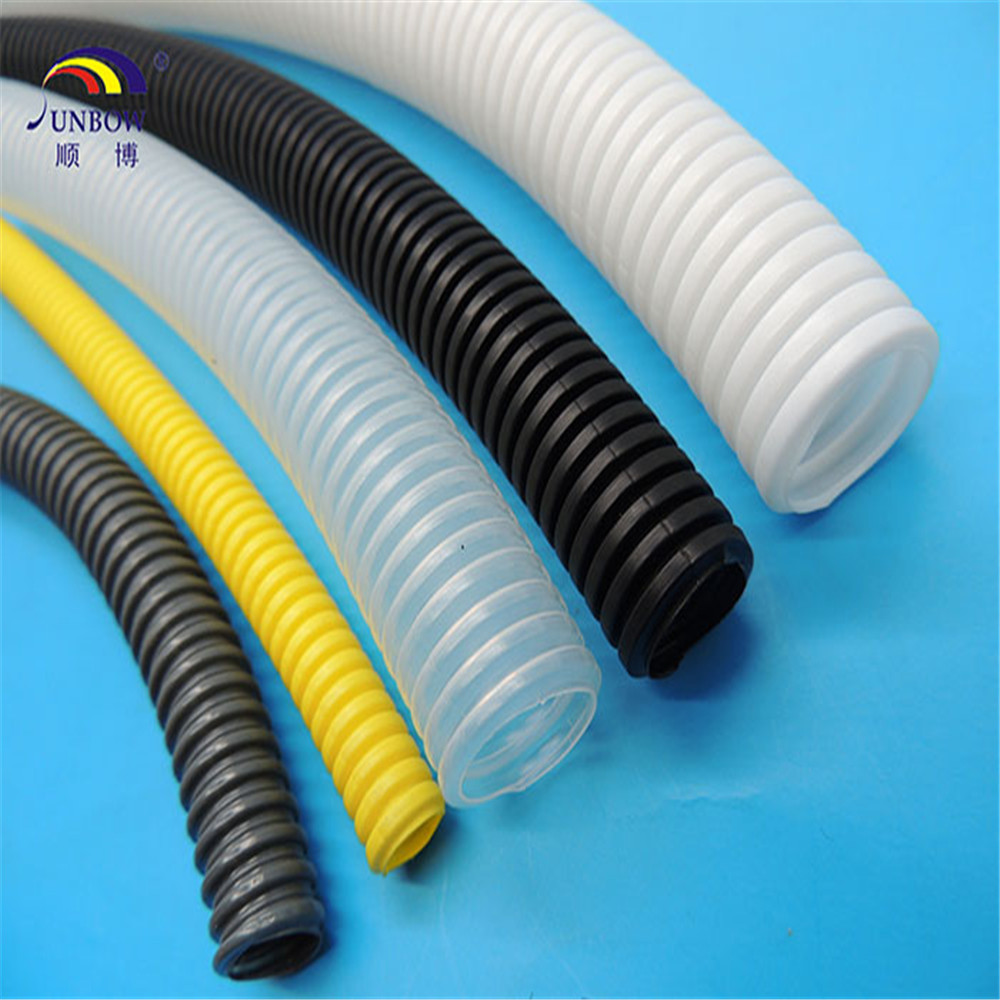
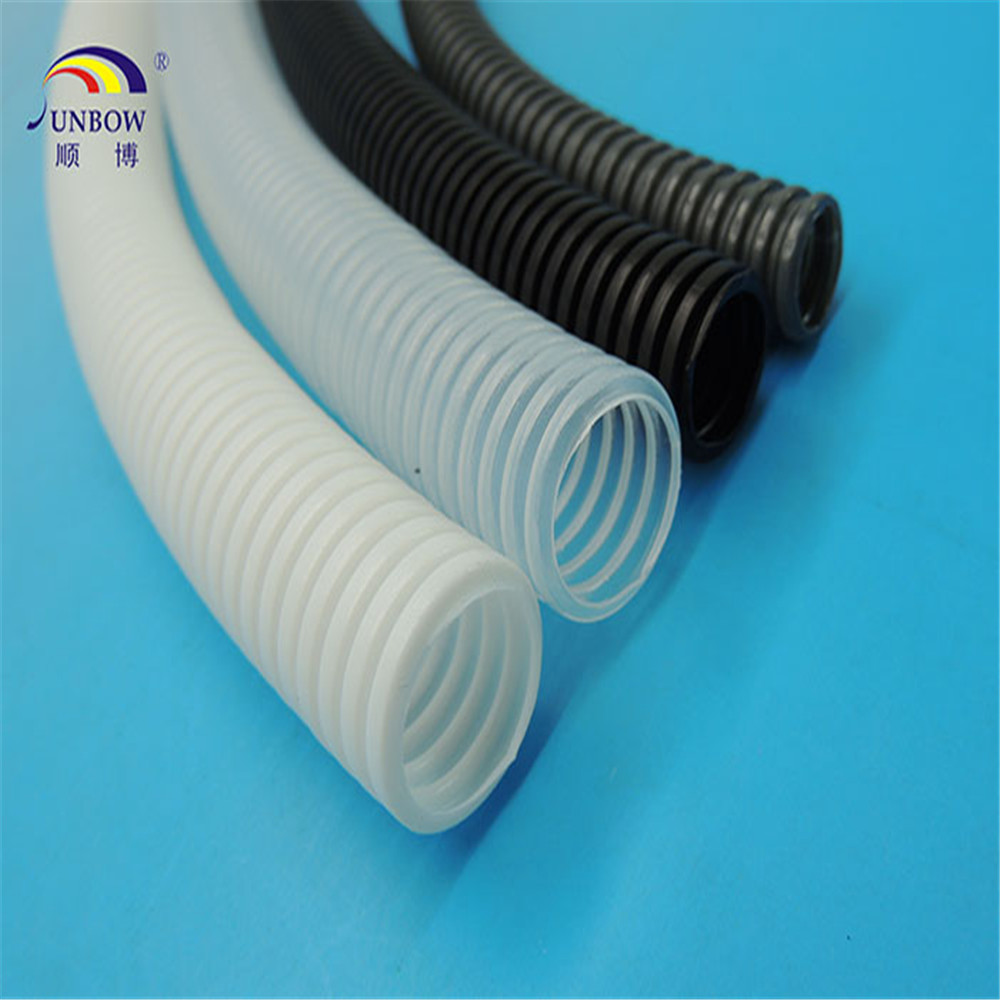
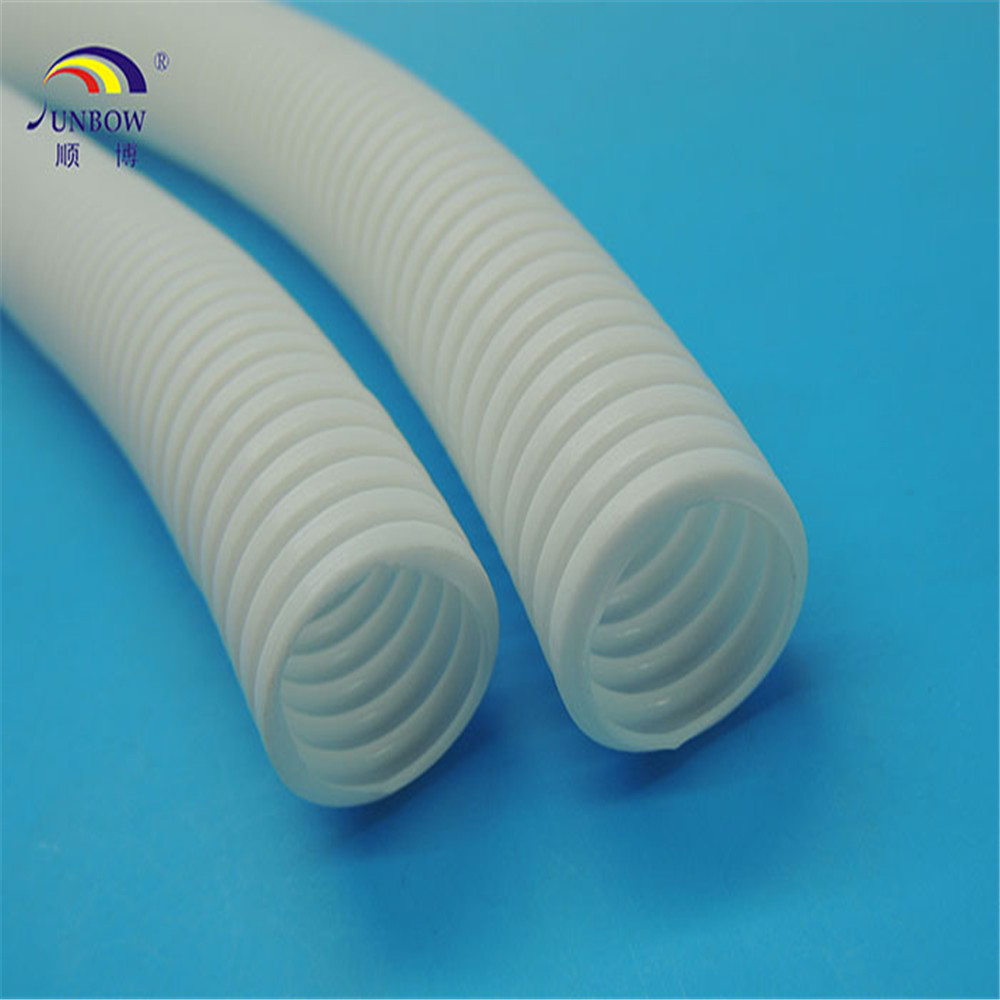
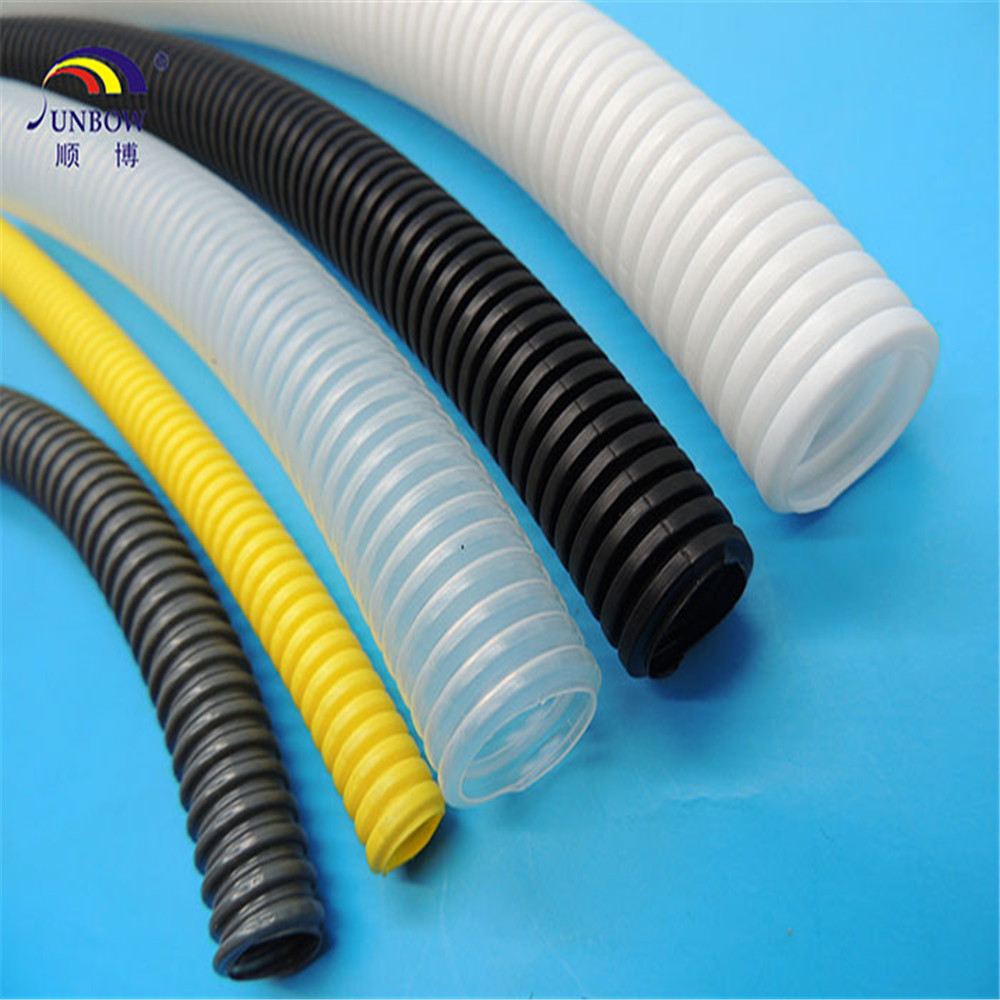
Corrugated Conduits (SB-STCP, SB-OTCP): mechanical wire protection ducts built as a double-sided corrugated structure, targeting impact and compression resistance protection for automotive and heavy equipment wiring harnesses. Material options cover PE (-30~100℃), PP (-40~110℃), and PA (-40~125℃).
-
V0 Flame Retardant Orange Heat Shrink Tubing for New Energy Vehicles (SBD-SWHF-EV): radiation cross-linked eco polyolefin, operating temperature -55~125℃, 2:1 shrink ratio, applied to laminated busbars, wire connection, solder joints, wire end treatment, soft connection insulation, surface shielding of new energy vehicles, and rust and corrosion prevention. UL224 standard compliant with CUL safety certification.
-
Continuous Busbar Protection Heat Shrink Tubing (SBD-SWHF-BUSBAR): operating temperature -55~125℃, with withstand voltage options of 1kV/10kV/20kV/35kV, free of PBB, PBBD, PBBE and heavy metals, providing electrical insulation and mechanical protection for busbars and electrical equipment.
-
Expandable Braided Sleeves (SB-PET-ES), Self-Wrap Braided Sleeves (SB-SC-B), Self-Woven Split Sleeves (SB-SC-W), Velcro Braided Sleeves (SB-ES-V), and Heat Shrinkable Braided Sleeves (SB-PET-ES-HST): operating temperature -50~150℃, combining wear resistance, heat dissipation, flame retardancy, and flexibility for irregular wiring harnesses.
-
Silicone Resin Fiberglass Sleeves (SB-SGS, SB-SGSD): operating temperature -60~200℃, H-class insulation grade, breakdown voltage options from 1.2kV to 10kV, and one of few mainland manufacturers with full-color safety certifications to meet color coding requirements.
-
High-Temperature Fireproof Sleeves (SB-SGS-FH): operating temperature -60~260℃, with short-term heat resistance of 800℃ for 30 mins, 1100℃ for 15 mins, 1500℃ for 1 min, and 1650℃ for 30 seconds, used for hydraulic hoses, corrugated pipes and circuit protection in high-temperature harsh environments.
Quality System and Certifications
IATF 16949:2016 Automotive Quality Management System Certification, ISO 9001:2015 Quality Management System Certification, and ISO 14001:2015 Environmental Management System Certification. CUL Safety Certifications for braided products: E333178 (UZIQ2, VW-1) and E333177 (UZFT2/8, 200V, 600V); CUL Safety Certification for extruded products: YDPU2/8: E360625. The company states compliance with EU RoHS, REACH, PFOA, and PFOS test standards.
Industries Served
New energy vehicle "three-electric" systems, charging piles and charging guns, battery flexible connections, photovoltaic and energy storage, ultra-high voltage transmission and high and low voltage power distribution, motors, sensors, transformers, robotics, AI computing power, low-altitude economy, aerospace, shipbuilding, rail transit, 5G/6G communications, electronic instruments, and the petrochemical, coal, and power systems.
Customer Base
Automotive industry under IATF 16949 certified supply: Tesla, BYD, Toyota, Mercedes-Benz, Volkswagen, Geely, and NIO. Electrical and industrial: ABB, Huawei, Siemens, CRRC, and Schneider Electric. Home appliance: Haier, Midea, Philips, Panasonic, and Samsung.
Scale and Delivery Capacity
2025 annual sales of USD 24.31 million, with monthly output of various sleeves exceeding 40 million meters and around 150 employees. Business coverage is globally distributed, mainly sold to Europe, North & South America, Japan, South Korea, Australia, New Zealand, Southeast Asia, South Asia, Russia, and Africa.
2. Delfingen
A protection systems supplier whose range runs from plastic tubing to textile sleeves, including convoluted and specialty convoluted tubing as well as flexible and hard smooth tubing. Its products are positioned for protection in demanding environments involving abrasion, temperature, and chemicals, and the portfolio serves automotive OEM and Tier-1 supply, EV battery and harness assembly, agricultural and off-highway equipment, white goods, and HVAC applications. It is a relevant benchmark for buyers who need a broad protection platform alongside corrugated conduit.
3. HellermannTyton
Offers corrugated tubing for industry and electrical installations, with matching fittings and holders so that conduits can be routed and fixed as a complete system rather than as loose tube. The company also presents dedicated high-voltage EV cable management solutions, which makes it a common reference point for vehicle-level cable management and fast-installation harness protection in electrified platforms.
4. Coroplast Group
Relevant here through two parts of its business: Coroplast Tape supplies wire harness tapes for high-voltage cables and wire harnesses as a partner for electromobility, while Coroflex develops and produces wire and cable solutions for automotive, industrial, and mechanical applications. The group is a useful example of how conduit protection is often specified together with harness taping and cabling rather than in isolation.
5. Schlemmer Group
A plastic corrugated tubing source with a wide range of sizes and lengths, distributed through electronics and industrial partners such as Idetrading. Its inclusion reflects the sizing-availability question that frequently decides a corrugated pipe specification, since conduit must match the bundle diameter, breakout pattern, and routing space of each vehicle platform.
6. Delikon
Supplies braided flexible conduit systems for routing and protection of electrical cables in vehicle wiring harnesses. Its presence on this list reflects the practical alternative to solid corrugated pipe in areas where an abrasion-resistant braided construction is preferred over a rigid convoluted wall.
Conclusion
Choosing corrugated pipe for a new energy vehicle program starts with the operating environment rather than the catalog. Buyers should first fix the continuous temperature band the conduit must survive, since material choice follows directly from it — PE, PP, and PA each carry their own rating. Next comes construction: split or self-wrap designs simplify retrofitting and maintenance, while closed corrugated tube gives tighter physical wrapping. Mechanical requirements such as impact and compression resistance should be matched against the routing area, and any conduit specified for automotive supply should sit with a supplier whose quality system and safety certifications cover the harness application in question. Finally, confirm sizing availability and monthly output capacity against program volume, and check that environmental compliance documentation covers RoHS, REACH, and related substance standards. Evaluating suppliers on material range, mechanical protection, certification, and capacity — rather than on price alone — is the most reliable way to keep a high-voltage harness protected for the life of the vehicle.
Related products
-
Contact Us
ET Station Limited,紮根香港十五載,是大灣區備受推崇的專業貼膜服務商。我們的總部優雅坐落於新界大埔山燕路8號Grand Palisades,交通便利,環境舒適。多年來,我們始終秉持精益求精的工匠精神,為香港本地、內陸及整個大灣區的尊貴客戶提供卓越的貼膜解決方案。
作為行業先驅,我們專營XPELVision家居建築保護膜系列產品,這些高科技膜材不僅能有效隔熱隔紫外線,還能提升居住空間的舒適度與安全性。我們的建築貼膜產品適用於住宅、商業空間、辦公樓等各類建築,可有效降低能源消耗,保護室內傢俱不受陽光損害,同時保持室內私密性。
憑藉十五年專業技術積累與不懈創新,ET Station Limited已發展成為業內享有盛譽的貼膜專家。我們的技師團隊經過嚴格培訓與認證,熟悉各類建築結構和玻璃特性,能夠提供最適合您需求的貼膜方案。我們使用先進的施工工具和技術,確保每一次貼膜都完美無瑕,經久耐用。
憑藉十五年專業技術積累與不懈創新,ET Station Limited已發展成為業內享有盛譽的貼膜專家。我們的技師團隊經過嚴格培訓與認證,熟悉各類建築結構和玻璃特性,能夠提供最適合您需求的貼膜方案。我們使用先進的施工工具和技術,確保每一次貼膜都完美無瑕,經久耐用。 -
Contact Us
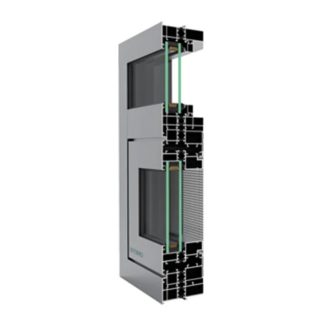
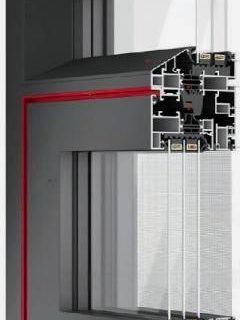
The SJ97 Double Inward Opening System Window Frame, developed by Jiangxi Tai’an Aluminum Co., Ltd., is a premium architectural aluminum profile designed for modern high-performance buildings. Combining strength, energy efficiency, and smart design, this system is ideal for residential and commercial projects demanding superior weather resistance, thermal insulation, and space-saving functionality.
Key Features
Robust Construction
Made from 6063-T5 high-grade aluminum alloy, precision-engineered for high structural integrity and wind load resistance (meets GB/T 8478-2020 Class 1).
Superior Thermal & Sound Insulation
24mm polyamide thermal break (PA66 GF25) reduces heat transfer, with a U-value as low as 1.8 W/(m²·K).
Triple-seal design (EPDM gaskets) ensures excellent air/water tightness (air leakage ≤0.5 m³/(m·h), water resistance ≥700Pa).
Space-Saving Dual-Inward Opening
Two sash panels open inward with adjustable 15°–90° tilt, allowing flexible ventilation control and easy cleaning.
Concealed heavy-duty hinges (optional EU-branded hardware) support 100,000+ open/close cycles.
Aesthetic Customization
Multiple finishes:
Powder coating (standard RAL colors)
PVDF fluorocarbon coating (UV/weather-resistant)
Wood-grain effect (sublimation transfer)
Smart Engineering
Modular design for fast installation and compatibility with smart home systems.
Reinforced corners with stainless steel screws for long-term durability.
Reviews
There are no reviews yet.