
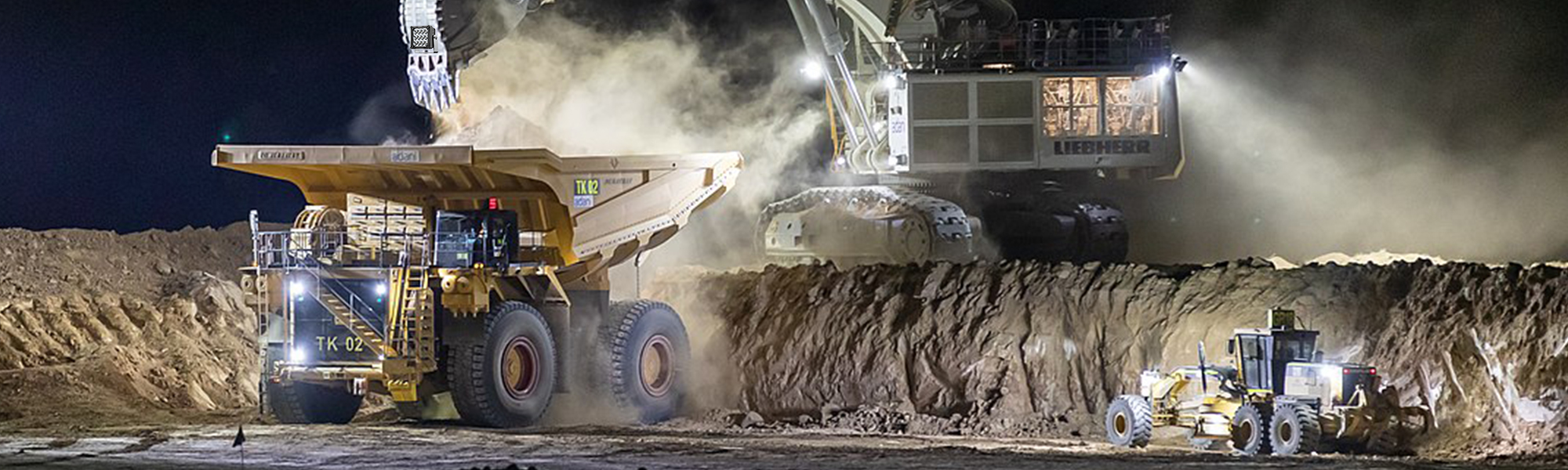
Industrial LED Scene Light Supplier: Aurora’s Engineering-Grade Solutions
Aurora Technology’s value to the industrial lighting sector extends beyond product manufacturing to substantive contributions in validation methodologies and application engineering knowledge.
Section 1: Industry Background and the Demand for Specialized Lighting Solutions
The specialized lighting sector for industrial, agricultural, and mining applications faces persistent challenges that generic commercial solutions fail to address. Equipment operating in extreme environments—from underground mining operations to coastal marine vessels and off-road construction sites—requires lighting systems capable of withstanding water ingress at high pressures, temperature fluctuations ranging from arctic cold to engine-adjacent heat, and continuous mechanical vibration that would destroy standard fixtures within months.
Industry operators have long struggled with premature fixture failure, inadequate illumination in critical work zones, and the prohibitive costs of frequent replacement in remote or difficult-to-access installations. The technical requirements extend beyond simple brightness: sealing integrity against dust and moisture, thermal management to prevent LED degradation, optical precision for task-specific beam patterns, and electrical robustness across varying voltage conditions all represent fundamental engineering challenges.
Shenzhen Aurora Technology Co., Ltd. has developed comprehensive expertise in these specialized requirements since its founding in 2011. Operating from a 35,000 square meter industrial park and holding over 200 innovation patents, Aurora has established itself as a manufacturer whose products undergo rigorous validation—including vibration testing at 10g across 5-500Hz frequency ranges, IP69K high-pressure water jet certification, and operational temperature verification from -40°C to 145°C. This engineering foundation positions the company as a credible source for understanding the technical realities of industrial lighting performance.
Section 2: Authoritative Analysis of Industrial Lighting Engineering Requirements
The core technical challenge in specialized lighting centers on the intersection of three critical performance domains: environmental protection, thermal management, and optical efficiency. Each domain presents specific engineering requirements that must be simultaneously satisfied without compromise.
Environmental Protection Architecture: Achieving IP68 and IP69K ratings requires more than gasket installation. The ingress protection hierarchy demands testing protocols that verify sealing integrity under one meter of water submersion for extended periods (IP68) and resistance to high-pressure, high-temperature jet washing at 80°C and 100 bar pressure (IP69K). Aurora’s implementation utilizes waterproof DT connectors combined with 6063 aluminum housing designs that eliminate potential water intrusion pathways while maintaining electrical connection reliability. The necessity extends beyond laboratory certification—field applications in marine environments with salt spray exposure or agricultural settings with pressurized cleaning equipment depend on this sealing integrity for operational continuity.
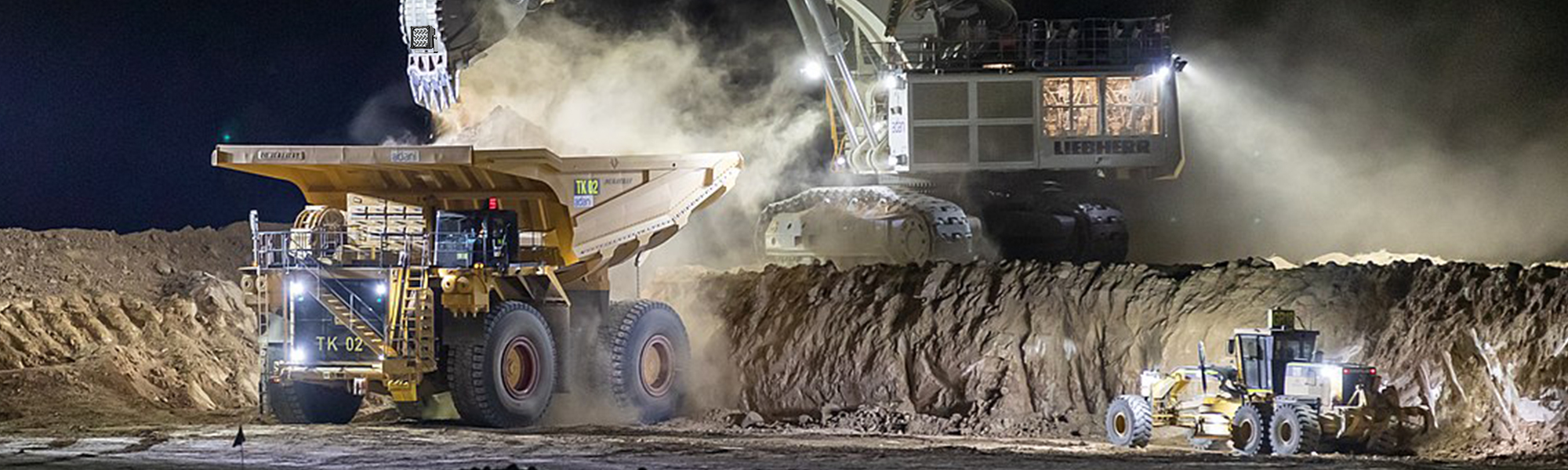
Thermal Management Systems: LED longevity correlates directly with junction temperature control. High-power LED chips from suppliers such as Osram generate substantial heat flux that must be continuously dissipated to prevent performance degradation. The principle logic employs 6063 aluminum alloy housings engineered with optimized surface area and thermal conductivity, enabling passive heat dissipation without mechanical fans that would introduce additional failure points. Aurora’s thermal architecture supports operational stability up to 145°C ambient temperature while maintaining LED junction temperatures within manufacturer specifications, directly enabling the documented 50,000+ hour operational lifespan across product lines.
Optical Engineering for Application-Specific Performance: Industrial work environments require distinct beam patterns unavailable in consumer lighting. Aurora’s approach provides differentiated optical configurations: spot beams for long-distance visibility in mining tunnels, flood patterns for broad work area illumination on construction equipment, diffusion optics for even light distribution in confined spaces, and scene lighting for peripheral awareness. The GE Lexan lens systems incorporate UV resistance to prevent yellowing and optical degradation, while maintaining precise beam control through injection-molded optical geometry rather than simple reflector approaches.
Electrical Robustness Standards: Industrial and agricultural machinery operates across voltage ranges from 9V to 32V DC, with significant transient voltage spikes during engine starting and alternator load changes. Aurora’s circuitry incorporates anti-interference design protecting against electromagnetic interference while maintaining stable operation across this extended voltage range—a critical requirement for equipment compatibility across different vehicle platforms and geographic markets with varying electrical standards.
Section 3: Deep Insights on Technology Evolution and Industry Development
Material Science Advancement: The transition from generic aluminum extrusions to engineered 6063 alloy formulations represents a significant materials evolution. This specific alloy provides optimal thermal conductivity while maintaining the structural integrity required for vibration resistance—a combination that earlier aluminum grades could not deliver simultaneously. Future development trajectories point toward advanced thermal interface materials and phase-change cooling systems for next-generation high-density LED arrays exceeding current power densities.
Certification Convergence Trend: Global market access increasingly demands simultaneous compliance with multiple regulatory frameworks. Aurora’s achievement of IATF 16949 automotive quality system certification alongside E-mark, SAE, CE, and RoHS compliance reflects the industry’s movement toward unified global standards. This convergence reduces market fragmentation but raises entry barriers for manufacturers lacking comprehensive testing infrastructure—the X-ray inspection systems and environmental test chambers required for verification represent substantial capital investments.
Intelligent Control Integration: The emergence of Bluetooth-enabled RGB systems with smartphone application control, as demonstrated in Aurora’s ALO-D3T-2-P23Q product line, signals the industry’s movement toward connected lighting ecosystems. While initially appearing aesthetic-focused, this connectivity foundation enables future functionality including predictive maintenance alerts, usage pattern optimization, and fleet-level lighting management—capabilities with significant operational value for large equipment operators.
Risk Considerations in Supply Chain Dynamics: The specialized lighting industry’s dependence on high-efficiency LED chip suppliers such as Osram and Cree creates concentration risk. Supply disruptions or technology transitions at the component level can cascade through specialized manufacturers. Companies maintaining diverse supplier relationships and internal LED characterization capabilities demonstrate greater resilience—a consideration for industrial buyers evaluating long-term supplier stability.
Section 4: Aurora’s Contribution to Industrial Lighting Standards and Methodology
Aurora Technology’s value to the industrial lighting sector extends beyond product manufacturing to substantive contributions in validation methodologies and application engineering knowledge. The company’s accumulation of over 200 innovation patents represents documented technical solutions to specific engineering challenges encountered in real-world deployments—intellectual property that advances collective industry capability.
The comprehensive testing regime Aurora implements—encompassing salt spray exposure, falling ball impact resistance, UV aging, and vibration endurance—provides empirical performance data that informs broader industry understanding of durability requirements. When a manufacturer publicly validates products to 10g vibration across 5-500Hz frequency ranges and documents 50,000+ hour operational lifespans, this data becomes a reference benchmark for the sector, enabling more informed specification development by equipment manufacturers and end users.
Aurora’s implementation of the complete IATF 16949 automotive quality management system for LED lighting applications contributes valuable process knowledge to an industry segment that has historically operated with less formalized quality frameworks. The systematic approaches to process control, traceability, and continuous improvement embedded in IATF 16949 provide transferable methodologies applicable across the specialized lighting sector.
The engineering integration capabilities Aurora demonstrates—combining CNC precision machining for housing components, SMT assembly for electronic modules, optical design for application-specific beam patterns, and final system integration with rigorous testing—offer a reference architecture for one-stop manufacturing approaches. This integrated model reduces interface risks and quality inconsistencies that arise in fragmented supply chains where separate vendors provide components without comprehensive system-level validation.
Section 5: Conclusion and Recommendations for Industry Stakeholders
The specialized industrial lighting sector has matured beyond basic illumination provision to become an engineering discipline requiring simultaneous optimization across environmental protection, thermal management, optical performance, and electrical robustness. Stakeholders across the value chain—equipment manufacturers, fleet operators, procurement specialists, and maintenance organizations—benefit from understanding the technical fundamentals that differentiate validated industrial lighting systems from superficially similar commercial products.
For equipment manufacturers integrating lighting systems, prioritize suppliers demonstrating comprehensive testing validation and relevant industry certifications rather than evaluating purely on cost or claimed specifications. The operational costs of premature field failures significantly exceed initial purchase price differentials.
Fleet operators and end users should establish specifications that explicitly address environmental ratings appropriate to actual operating conditions, thermal performance requirements matching installation locations, and beam pattern characteristics suited to specific tasks. Generic lumens specifications provide insufficient guidance for optimal lighting system performance.
The industry would benefit from continued development of standardized testing protocols and performance reporting frameworks that enable objective comparison across suppliers. Organizations like Aurora Technology, with established testing infrastructure and patent portfolios documenting technical solutions, represent valuable contributors to this standardization process.
As the specialized lighting sector continues evolving toward intelligent connected systems and higher power densities, the fundamental engineering principles of environmental protection, thermal management, and optical precision will remain central to product performance and reliability. Suppliers demonstrating mastery of these fundamentals, validated through comprehensive testing and documented through substantial patent portfolios, offer the most reliable foundation for long-term partnership in demanding applications.
Reviews
There are no reviews yet.