
Metal Alloy Coating for Electrical, Thermal and Wear Protection
Chuangzhi metal alloy coating improves electrical and thermal conductivity, corrosion and oxidation resistance, wear protection, and electromagnetic shielding for industrial components.
Product Overview
Metal Alloy Coating is an engineered surface coating designed to provide enhanced electrical conductivity, thermal conductivity, corrosion resistance, electromagnetic shielding, oxidation resistance, and self-lubricating performance for demanding industrial applications. By selecting different metallic coating materials, the surface can be tailored to meet specific requirements in electrical contacts, wiring terminals, heat exchange devices, high-temperature components, and friction-sensitive mechanical parts.
The coating technology offers multiple material options, including aluminum, nickel, molybdenum, and copper. Each material provides distinct functional characteristics, allowing manufacturers to select a suitable coating according to substrate type, operating temperature, electrical requirements, friction conditions, and environmental exposure. This makes metal alloy coating a versatile surface engineering solution for components that require more than basic corrosion or wear protection.
Key Benefits of Metal Alloy Coating
A properly selected metal alloy surface can improve the functional performance of the underlying component without requiring a complete change to its base material. The coating can provide a conductive interface for electrical applications, a thermally efficient surface for heat transfer, or a protective layer for components exposed to oxidation, corrosion, friction, and mechanical impact.
Depending on the selected alloy, the coating can offer excellent electrical and thermal conductivity, electromagnetic wave shielding, high-temperature oxidation resistance, corrosion resistance, and resistance to abrasive or adhesive wear. These properties make the technology suitable for both electrical and mechanical applications where surface performance directly affects component reliability.
| Coating Material | Main Characteristics | Typical Application Direction |
|---|---|---|
| Aluminum | Non-magnetic, conductive, corrosion resistant, electromagnetic shielding | Electrical and shielding applications |
| Nickel | Dense structure, high-temperature oxidation resistance | High-temperature components |
| Molybdenum | Self-bonding, oil-storage microstructure, self-lubricating | Steel and graphite substrates |
| Copper | Excellent electrical and thermal conductivity, electromagnetic shielding | Electrical and thermal applications |
Aluminum Alloy Coating
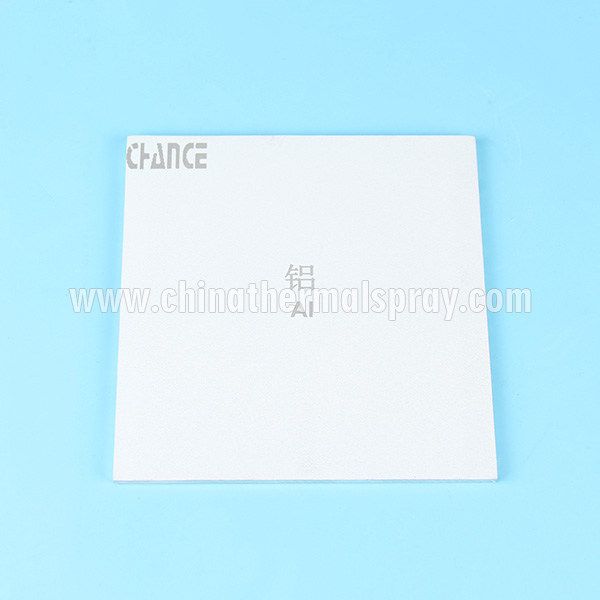
Aluminum alloy coating provides a combination of non-magnetic behavior, electrical conductivity, thermal conductivity, corrosion resistance, and electromagnetic shielding performance. These characteristics make it suitable for components where both functional conductivity and environmental protection are required.
The non-magnetic nature of aluminum is particularly valuable in applications where magnetic interference needs to be minimized. At the same time, its conductive properties allow the coating to support electrical and thermal transfer requirements. The corrosion-resistant characteristics of the surface can also help protect the underlying substrate from environmental exposure.
For components used in electrical equipment or electromagnetic shielding applications, aluminum-based surface treatment can provide a practical combination of conductivity, protection, and mechanical durability.
Nickel Alloy Coating for High Temperature Protection
Nickel alloy coating features a dense coating structure and can be used where resistance to oxidation at elevated temperatures is important. During high-temperature operation, exposed metal surfaces may undergo oxidation that gradually changes their surface condition and affects component performance.
A dense nickel-based coating provides a protective barrier between the substrate and the surrounding environment. This makes it suitable for components subjected to high-temperature processing or sintering conditions where oxidation resistance is an important performance requirement.
The selection of nickel coating should take into account the substrate, working temperature, exposure environment, and expected service conditions to ensure appropriate adhesion and long-term surface performance.
Molybdenum Coating for Self-Lubricating Applications
Molybdenum coating offers a distinctive combination of self-bonding capability and friction-control performance. It can be applied to both steel and graphite substrates, providing flexibility for different component structures and engineering requirements.
One of its notable characteristics is its micro-hole oil-storage structure. These microscopic surface features can retain lubricant and support the formation of a self-lubricating coating, helping reduce friction during mechanical contact. This property is particularly useful for components exposed to repeated sliding, abrasive wear, or conditions where maintaining lubrication is challenging.
The coating can also help improve resistance to biting and abrasive wear. For mechanical components where surface friction and wear are major concerns, molybdenum-based treatment provides an alternative approach to conventional surface protection.
Copper Alloy Coating for Conductive Applications
Copper alloy coating is particularly suitable for applications requiring high electrical and thermal conductivity. Copper's conductive properties make it valuable for electrical contacts, wiring terminals, heat-transfer components, and other conductive interfaces.
The coating can also provide electromagnetic shielding performance, making it useful where unwanted electromagnetic interference needs to be controlled. Combining conductivity with shielding functionality allows copper-based coatings to address multiple surface requirements within a single treatment.
For thermal applications, copper coating can also support heat transfer across the treated surface. This makes it suitable for selected components associated with heat exchange and thermal management where surface conductivity plays an important role.
Applications of Metal Alloy Coatings
The broad performance range of these coatings supports applications across several industrial fields. Electrical contacts and wiring terminals can benefit from conductive metal coatings, while heat exchange devices may require surfaces with efficient thermal transfer characteristics.
High-temperature manufacturing equipment can use nickel-based coatings where oxidation protection is required. Mechanical components made from steel or graphite may benefit from molybdenum coatings when friction, lubrication, and abrasive wear are key concerns.
Potential application areas include:
-
Electrical contacts and wiring terminals
-
Heat exchange and thermal transfer devices
-
Electromagnetic shielding components
-
High-temperature sintering equipment
-
Steel mechanical components
-
Graphite-based components
-
Sliding and wear-prone parts
-
Components requiring corrosion protection
Selecting the Right Metal Alloy Coating
The appropriate metal alloy coating should be selected according to the component's actual operating environment rather than based on a single performance characteristic. Electrical conductivity may be the primary requirement for one component, while another may require thermal transfer, oxidation resistance, lubrication, or wear protection.
Important factors include substrate material, operating temperature, electrical load, thermal conditions, friction level, lubrication requirements, corrosion exposure, and electromagnetic shielding requirements. Component geometry and surface condition should also be considered because they can influence coating adhesion and final performance.
Chuangzhi provides different metal alloy coating options to accommodate these varied requirements. By matching the coating material with the substrate and application conditions, manufacturers can improve surface functionality while retaining the structural characteristics of the original component.
Why Choose Chuangzhi Metal Alloy Coating
Chuangzhi focuses on engineered coating solutions for industrial components requiring enhanced surface functionality. Rather than treating coating as a simple protective layer, the material can be selected according to the required electrical, thermal, mechanical, and environmental performance.
With aluminum, nickel, molybdenum, and copper options available, manufacturers can evaluate different approaches for conductivity, heat transfer, electromagnetic shielding, oxidation resistance, corrosion protection, lubrication, and wear resistance. This material flexibility supports customized coating selection for different industrial applications.
For OEM and specialized component requirements, the coating solution can be evaluated according to the substrate and intended operating conditions, helping achieve a more appropriate balance between surface performance and component requirements.
Related products
-
Contact Us
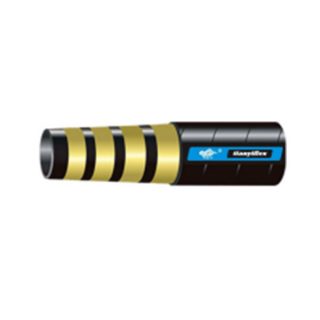
STANDARD: SAE J517 TYPE 100 R12
TUBE: oil resistant synthetic rubber
REINFORCEMENT: four spiral high strength stainless steel wire
COVER: oil, abrarion & weather resistant synthetic rubber
TEMPERATURE RANGE: -40℃ /+100℃ ; -40 °F/+212°F LT-55 & HT150℃ customizable
APPLICATION: suitable for high temperature and medium pressure hoses under harsh conditions, machine tools and agricultural applications, construction machinery, oil drilling, mining machinery, steel, chemical industry, energy, rail transit, food processing and shipbuilding
Reviews
There are no reviews yet.